Water problems rarely announce themselves in dramatic ways. More often, they creep into everyday life—a white ring around the faucet, a strange taste in your morning coffee, spots on freshly washed glasses, or soap that never seems to rinse quite right.
Eventually, you start wondering whether the water itself is the problem.
For many homeowners, that question leads to an overwhelming number of choices. There are softeners, carbon filters, reverse osmosis units, sediment filters, whole-house systems, and combinations of several technologies. Every product seems to promise something different, and figuring out what actually matters can feel like a chore in itself.
The good news is that choosing water treatment doesn’t have to be complicated. It starts with understanding the water in your home and being realistic about what you want to improve.
Begin With the Problem, Not the Product
It’s easy to search for the “best” water treatment system and start comparing brands immediately.
That’s usually the wrong place to begin.
Instead, think about what you’re noticing. Is the issue hard water and scale? An unpleasant taste or odor? Sediment? Staining? Something identified through laboratory testing?
Different problems call for different solutions.
A water softener designed to reduce hardness minerals won’t necessarily remove every contaminant. Likewise, a drinking-water filter may improve taste but do little to address hard water throughout the house.
Treatment works best when the equipment is chosen around a specific need.
Understanding Your Water Source
Where your water comes from can influence the types of problems you encounter.
Municipal water is treated before it reaches your property, but its characteristics can still vary based on local treatment processes and distribution systems. Private well water has its own set of considerations and can be influenced by geology, groundwater conditions, and surrounding land use.
The age and material of household plumbing can matter too.
So, before assuming a particular filter is necessary, take a step back. Understand the source and consider having the water tested for the characteristics that are relevant to your concerns.
It may reveal something you weren’t expecting.
What Is Ecowater Equipment?
For homeowners researching treatment options, ecowater equipment can represent a range of solutions intended to address different household water concerns.
The important thing isn’t simply recognizing a brand or product name. It’s understanding what a particular piece of equipment is designed to do.
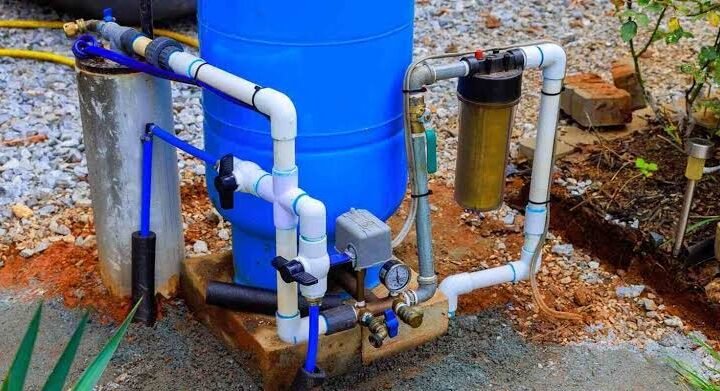
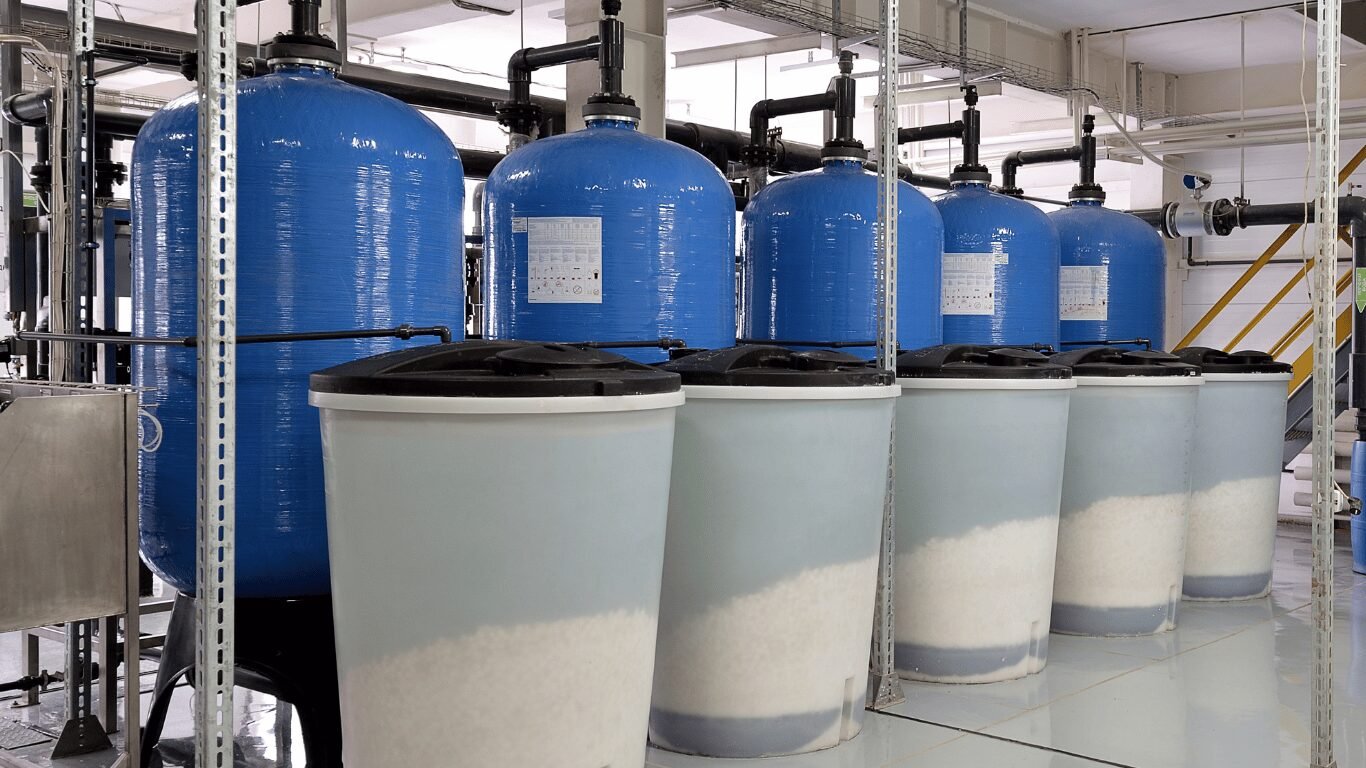
Water treatment equipment can include systems for softening, filtration, drinking-water treatment, and other specialized applications. The appropriate setup depends on water conditions, household size, water usage, and the treatment goals.
That means a system that works beautifully in one home may not be the right choice for another.
Good treatment is personal in a very practical sense.
Hard Water Is a Common Culprit
Hard water is one of the most noticeable household water conditions.
It contains dissolved minerals, primarily calcium and magnesium. When water evaporates, those minerals can remain behind, creating spots and scale on surfaces.
You may see it around faucets, showerheads, glass doors, and appliances. You might also notice that soap doesn’t rinse as easily or that your dishwasher seems to leave more residue than it used to.
These aren’t necessarily signs of a serious water problem, but they can be frustrating.
If testing confirms hardness is the main concern, water softeners can help by reducing calcium and magnesium through an ion-exchange process.
Filtration Does a Different Job
The word “filter” sounds simple, but filtration itself covers a wide range of technologies.
Sediment filters can capture particles. Activated carbon can be used for certain taste and odor concerns. Reverse osmosis can reduce many dissolved substances and is often used for drinking-water applications.
This is why comparing systems only by the number of stages can be misleading.
A five-stage system isn’t automatically better than a three-stage system. What matters is whether the technology is appropriate for the substance or characteristic you’re trying to address.
Ask what the system is designed to reduce and whether its performance has been independently tested or certified for that purpose.
Whole-Home or Point-of-Use?
This is another important decision.
If the issue affects every faucet, shower, and appliance, whole-home treatment may make sense. If your main concern is drinking and cooking water, a point-of-use system at the kitchen sink might be enough.
Whole-home treatment can provide convenience because treated water is available throughout the property.
Point-of-use treatment can be more targeted and may require less equipment.
Neither option is automatically superior. The right choice depends on where the problem occurs and how you use water.
Sizing Matters More Than People Think
Even excellent equipment can disappoint when it’s improperly sized.
A treatment system needs to accommodate household demand. A family with several people taking showers, running appliances, and using multiple faucets simultaneously has different requirements from a smaller household.
Water hardness also affects sizing for softeners.
Choosing an oversized system may increase the upfront cost unnecessarily. Choosing one that’s too small can lead to frequent regeneration, reduced performance, or other frustrations.
Professional assessment can help determine the appropriate capacity rather than relying on guesswork.
Installation Is Part of the Solution
Buying the right equipment is only half the job.
Installation affects how well a system performs and how easy it will be to maintain. Equipment needs appropriate plumbing connections, sufficient space, and access to components that will eventually require service.
Think about maintenance before installation, not after.
If a filter housing is tucked behind a water heater where nobody can comfortably reach it, changing the filter becomes a nuisance. And when maintenance becomes inconvenient, people tend to put it off.
A well-planned installation should make future care straightforward.
Don’t Forget the Drinking Water
Many homeowners have broader whole-house concerns but still want extra treatment for drinking and cooking.
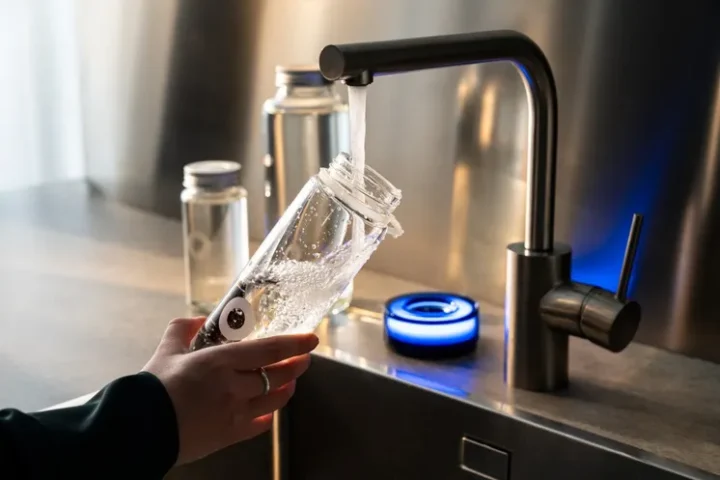
A dedicated drinking-water system can provide another layer of treatment at the kitchen sink, depending on the home’s water conditions.
Reverse osmosis, activated carbon, and other technologies may be considered for different goals.
The important thing is to avoid assuming that a whole-house softener automatically provides purified drinking water. Softening and filtration have different purposes.
If drinking water is your main concern, test specifically for the characteristics you want to understand and choose treatment accordingly.
Maintenance Keeps Everything on Track
Water treatment equipment isn’t completely maintenance-free.
Filters need replacement. Softener systems require attention to salt and settings. Reverse osmosis systems may need membrane and cartridge changes. Other equipment can require periodic inspection.
Neglecting maintenance can gradually reduce performance.
Create a simple schedule. Write down filter replacement dates. Check salt levels when necessary. Pay attention to changes in taste, odor, water pressure, or scale.
A few minutes of attention now can prevent a much more annoying problem later.
Think About the Total Cost
The price on the product label doesn’t tell the whole story.
Consider installation, replacement filters, salt, servicing, electricity, water consumption, and replacement components.
A cheaper system may not remain cheaper if its consumables are expensive or difficult to source. Likewise, an expensive system isn’t necessarily a better investment.
Look for a balance between performance, reliability, maintenance, and operating costs.
Avoid Buying Based on Fear
Water treatment marketing can sometimes make homeowners feel as though every drop of water is dangerous.
That’s not a useful way to make a decision.
Some water concerns are real and deserve attention. Others are simply unpleasant or inconvenient. Testing helps separate the two.
You don’t need the most complicated system in the catalog. You need a system that addresses a verified concern and fits your household.
That approach is calmer, more practical, and usually more economical.
Making the Right Choice
Choosing between different filtration systems and treatment technologies doesn’t have to be a guessing game.
Start with the water. Identify what you’re experiencing, test where appropriate, and learn what the results mean. Then compare treatment options based on their actual purpose rather than their marketing language.
A good system should quietly solve a problem in the background.
You shouldn’t have to think about it every morning. Ideally, you’ll simply notice cleaner fixtures, better-tasting water, fewer mineral deposits, or appliances that are easier to maintain.
That’s really the point of water treatment. Not more equipment. Not complicated technology for its own sake. Just better water management that fits naturally into the way your home already works.