Water treatment sounds straightforward until you start looking at the options. Then suddenly there are tanks, filters, membranes, UV lamps, softeners and enough technical terminology to make a simple glass of water feel like an engineering project.
The good news is that homeowners don’t need to become water-treatment experts to make a sensible decision.
The better approach is to start with the water itself. What does it taste like? Are there white deposits around the faucets? Does the water come from a private well? Are you concerned about microorganisms, sediment, hardness or something else entirely?
Once the actual problem is clear, choosing equipment becomes much easier.
Start With the Water, Not the Equipment
It’s tempting to begin by comparing products. A quick online search can produce dozens of systems, each claiming to offer cleaner, healthier or better-tasting water.
But equipment should come second.
A water test can reveal characteristics that aren’t visible from the tap. Hardness, pH, sediment and other water-quality factors may all influence which treatment approach makes sense.
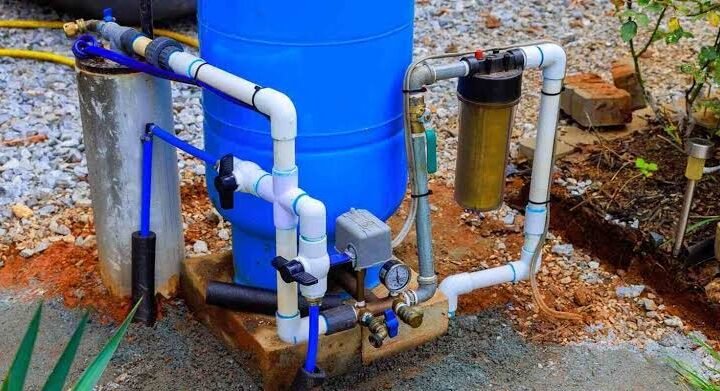
This is especially important for homes using private wells. Groundwater conditions can vary, and a system designed for one well may not be appropriate for another.
Even with municipal water, a noticeable change in taste, odor or appearance is worth investigating before making a purchase.
Hard Water Has a Familiar Look
Hard water is one of the most common reasons homeowners start researching treatment.
You may see white spots on shower glass, cloudy dishes, mineral rings around faucets or buildup inside fixtures. Sometimes the water heater develops scale or sediment as well.
Hardness is primarily caused by dissolved calcium and magnesium.
A salt based water softener is one established approach for reducing hardness. Traditional softeners use ion exchange to replace hardness minerals with sodium or, in some cases, potassium ions.
The important distinction is that softening and filtration aren’t the same thing. A softener is designed mainly to address hardness. It isn’t a universal filter for every possible water-quality concern.
Why Hard Water Can Be Such a Nuisance
Hard water usually isn’t a dramatic household problem. It’s more of a slow annoyance.
You clean the shower glass, and a few days later the spots return. You use more soap because it doesn’t seem to lather as easily. The kitchen faucet develops a chalky ring that somehow appears overnight.
Then there are appliances.
Dishwashers, water heaters, coffee makers and other equipment that regularly heat or use water can accumulate mineral deposits. Regular cleaning and maintenance still matter, but managing hardness may help reduce the amount of mineral material reaching those components.
It’s less about chasing perfect water and more about making everyday maintenance less frustrating.
Not Every Water Problem Is a Hardness Problem
This is where things get interesting.
A home can have hard water and still have another issue that hardness treatment won’t solve. For example, a private well may have concerns involving microorganisms, while another property might mainly struggle with sediment or unpleasant taste.
That’s why a one-size-fits-all treatment package isn’t always the best choice.
If testing identifies a specific concern, select technology that is designed for that concern. It sounds obvious, but it’s an easy principle to forget when product brochures start listing impressive features.
When UV Treatment May Be Useful
For homes that rely on private wells or other water sources where microbial concerns are relevant, ultraviolet treatment can be an option worth discussing.
Uv light filtration uses ultraviolet energy to inactivate microorganisms as water passes through the treatment chamber. It doesn’t work by adding chemicals to the water, and it doesn’t remove hardness or sediment by itself.
That last part is important.
UV equipment generally works best when the water reaching the lamp has already been appropriately treated for things such as turbidity or particles. If the water is cloudy, the effectiveness of UV disinfection can be affected because microorganisms may be shielded from the light.
In other words, UV is a specialized tool, not a magic wand.
Filtration and Disinfection Serve Different Purposes
The words “filter” and “disinfect” sometimes get used interchangeably, but they’re not the same.
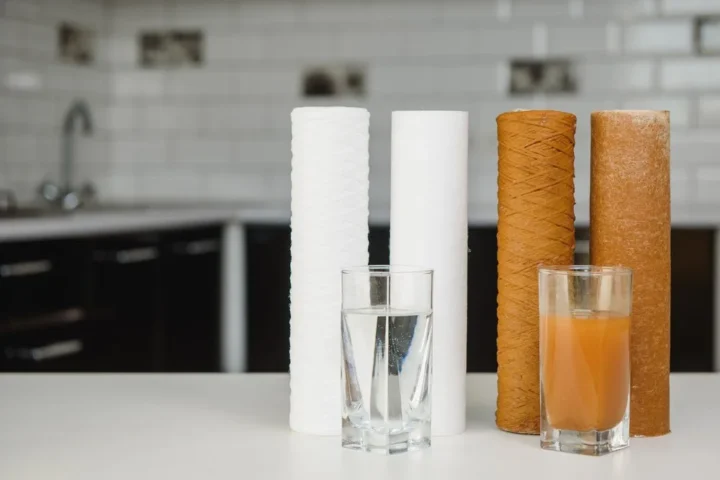
A filter physically or chemically reduces certain substances from water. Depending on its design, it may target sediment, chlorine, taste and odor compounds or other specific contaminants.
Disinfection is about controlling microorganisms.
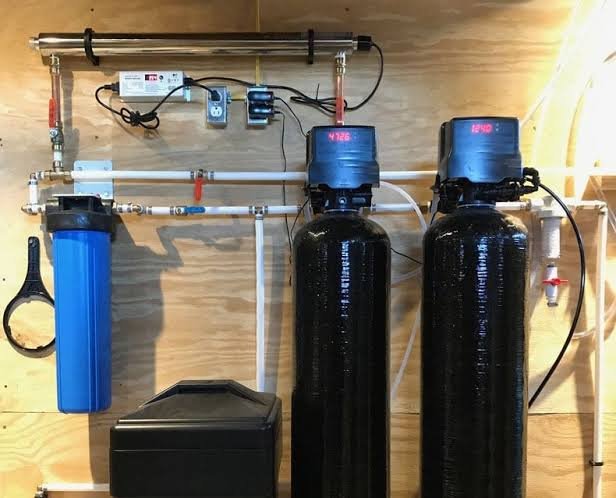
A well-designed treatment system may combine different technologies when the water requires it. The key is making sure each component has a reason for being there.
Adding equipment simply because it sounds advanced isn’t necessarily a smart investment.
Whole-Home Treatment Can Address Broader Concerns
If water-quality issues affect showers, laundry, appliances and multiple faucets, treating only drinking water may not be enough.
That’s where whole house filtration can become useful.
A whole-home system treats water before it reaches the various fixtures throughout the property. Depending on its design, it may address sediment, chlorine, taste and odor or other targeted concerns.
However, whole-home filtration shouldn’t be confused with water softening or disinfection. A system needs to be configured around the water conditions.
If hardness is the primary problem, you may need a softener. If microbial concerns exist, another treatment stage may be appropriate. If taste and odor are the issue, a filtration medium suited to those characteristics could be the better choice.
Sometimes a combination is justified. Sometimes it isn’t.
Think About Flow Rate
A treatment system has to keep up with the household.
Imagine someone taking a shower while the dishwasher is running and another person is filling the washing machine. If the treatment system is undersized, water pressure or flow may become noticeably frustrating.
Flow rate should therefore be considered during system selection.
A professional installer can evaluate household demand and plumbing conditions to determine whether the equipment is appropriately sized.
It’s one of those details that isn’t very exciting during the buying process but becomes extremely important once everyone is trying to use water at the same time.
Installation Isn’t Just Connecting Pipes
Proper installation involves more than getting water to flow from one side of the equipment to the other.
Drain connections, pressure, shutoff valves, electrical requirements and available space may all matter. UV systems, for instance, need an appropriate electrical connection, while some filtration equipment requires enough room to change cartridges or service tanks.
Think ahead.
You don’t want a system installed in a cramped corner where replacing a filter requires moving half the garage.
Accessibility is part of good design.
Maintenance Keeps the System Useful
Every treatment technology has its own maintenance needs.
Softener systems may require salt replenishment and periodic checks. Filtration cartridges eventually need replacement. UV systems typically require lamp replacement according to manufacturer recommendations and should be kept clean enough to operate properly.
Ignoring maintenance can undermine an otherwise good installation.
Before choosing equipment, ask what needs to be replaced, how often it needs attention and whether the required parts are easy to obtain.
A system that fits your lifestyle is usually easier to maintain than one that demands constant attention.
Don’t Buy Based on Fear
Water-quality marketing can sometimes make every home sound like a potential disaster zone.
That’s not helpful.
Testing should guide decisions. If a concern isn’t present, you may not need treatment for it. If something is present, choose a technology appropriate to the actual issue and follow reliable guidance on what level of treatment is necessary.
The goal is better water—not a basement full of equipment.
A Practical Approach Usually Wins
Choosing water treatment doesn’t have to be overwhelming.
Start with a water test. Identify the problems that genuinely matter. Decide whether you need softening, filtration, disinfection or some combination. Then consider household flow rate, installation space, maintenance and long-term costs.
A salt based water softener may be ideal for persistent hardness. UV technology may make sense when microbial treatment is needed. Whole-home filtration can be useful when a concern affects water throughout the house.
None of these solutions is automatically right for every property.
The smartest system is the one that matches your water and your household—not the one with the longest feature list.
Good water treatment should eventually become something you hardly notice. The faucets work, the water tastes right, the fixtures stay easier to maintain, and the equipment quietly does its job.
That’s a pretty good outcome. And sometimes, boring is exactly what you want from the systems running behind the walls of your home.