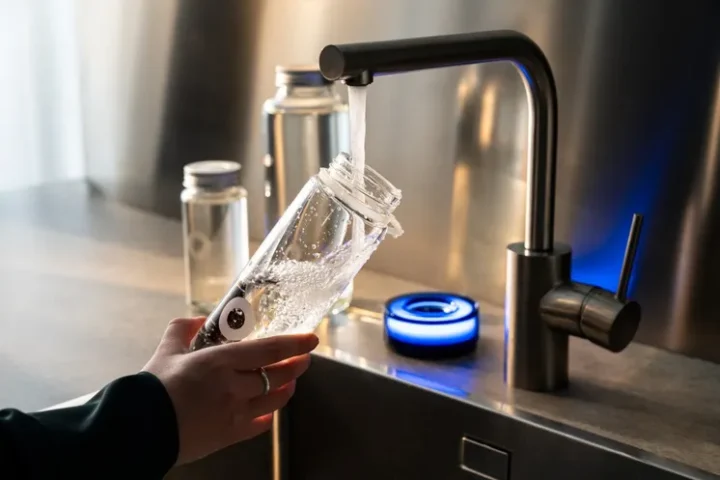
For many homeowners, well water feels like a dependable part of rural living. You turn on the tap, fill a glass, and expect clear, fresh water. But well water can be a little unpredictable. Its quality depends on local geology, the condition of the well, nearby land use, rainfall, and even changes underground that you can’t see.
That’s why a water problem isn’t always obvious at first. Maybe there’s a metallic taste in your morning coffee. Perhaps the shower leaves orange stains behind, or the water suddenly smells like rotten eggs. Sometimes, though, the biggest concerns have no taste, smell, or visible warning at all.
A good approach starts with understanding what’s actually happening rather than guessing at a solution.
Why Well Water Can Change Over Time
Groundwater naturally picks up minerals and other substances as it moves through soil and rock. Depending on where a property is located, that can mean elevated iron, manganese, hardness, sulfur compounds, sediment, or other contaminants.
Changes around the property can matter too. Heavy rain may affect groundwater conditions, while agricultural activity, septic systems, flooding, or nearby development can introduce additional concerns.
This doesn’t mean every private well has a problem. It simply means well owners need to pay closer attention because private wells aren’t regulated in the same way as public drinking-water systems.
In other words, clear water isn’t automatically the same thing as safe water.
Start With Testing Instead of Guesswork
When something seems unusual, testing should come before buying equipment. It’s tempting to search online for a filter that promises to solve a specific symptom, but that approach can become expensive fast.
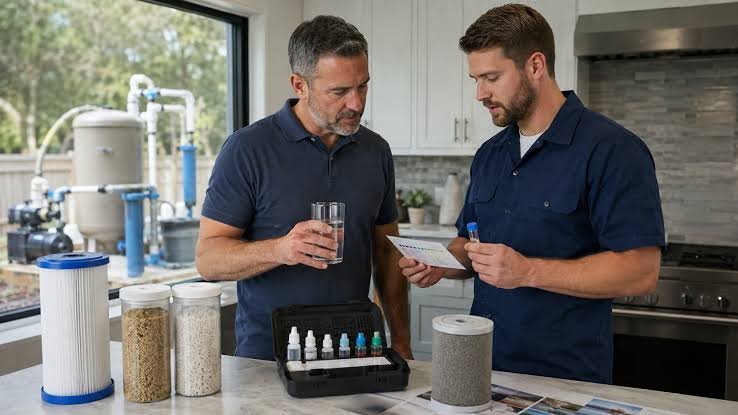
Professional water testing & analysis can identify what is actually present and, just as importantly, how much of it is present. A proper test can look at factors such as pH, hardness, iron, manganese, nitrate, bacteria, and other substances based on local concerns.
Testing also creates a useful baseline. If you test once and then test again later, you can compare the results and notice changes rather than relying on memory.
For private wells, periodic testing is especially important after events such as flooding, repairs, changes in taste or odor, or other noticeable changes in water quality.
Common Signs Your Well Water Needs Attention
Some water problems announce themselves loudly. Others are much quieter.
Hard water may leave white scale around faucets and showerheads. Iron can create reddish or brown stains on sinks, tubs, and laundry. Manganese may produce dark staining. Sulfur compounds can give water that familiar rotten-egg smell.
Cloudiness can point toward suspended sediment, although not every cloudy-water issue has the same cause. A sudden change in color or taste deserves attention, particularly if it wasn’t present before.
Then there are contaminants that don’t create obvious sensory clues. Nitrates, certain bacteria, and some chemical contaminants may not change the appearance or flavor of water. That’s one reason regular testing matters even when everything looks perfectly normal.
Matching the Treatment to the Problem
There isn’t one magic filter that fixes every well-water issue. Treatment should match the contaminant, its concentration, the home’s water usage, and the condition of the existing plumbing.
For example, a softener is commonly used to address hardness caused by calcium and magnesium. It isn’t designed to remove every contaminant found in groundwater.
Iron and manganese may require specialized filtration or oxidation-based treatment. Sediment problems can often be addressed with appropriately sized sediment filtration, while bacteria concerns may call for disinfection methods such as ultraviolet treatment, depending on the situation.
For certain dissolved contaminants, well water treatment may involve several stages rather than a single device. A professional assessment can help determine whether filtration, softening, disinfection, reverse osmosis, or a combination makes sense.
The details matter. A system that works beautifully for one home may be completely wrong for another.
When a Whole-House System Makes Sense
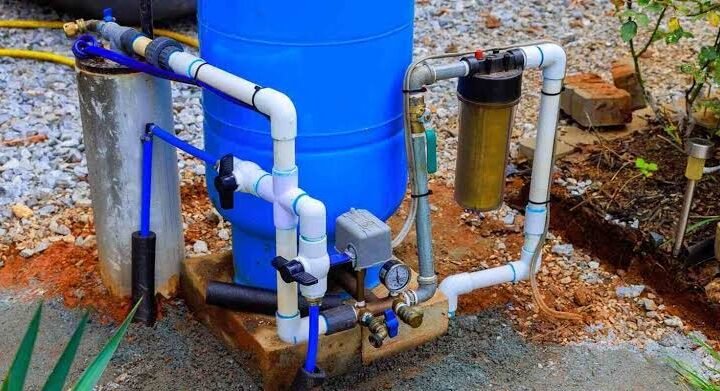
If a problem affects water throughout the property, point-of-use filtration may not be enough. Whole-house treatment places equipment on the incoming water line so treated water can reach multiple fixtures.
This can be particularly useful for persistent hardness, iron, sediment, sulfur odors, or other issues confirmed through testing.
However, whole-house treatment isn’t automatically better just because it’s larger. Oversized or poorly selected equipment can waste money, require unnecessary maintenance, or fail to address the actual problem.
Water flow rate matters. So does the number of people living in the house, the well’s production capacity, and the amount of water being used during peak periods.
It’s a bit like buying shoes. Bigger isn’t automatically better if they don’t fit the job.
Don’t Ignore the Well Itself
Sometimes the treatment equipment isn’t the real issue.
A damaged well cap, poor drainage around the well, cracked components, plumbing problems, or other structural concerns can contribute to water-quality issues. If bacteria or sediment suddenly appears where it wasn’t previously present, the well and surrounding area deserve attention too.
After flooding, for instance, testing can be particularly important. If contamination is suspected, homeowners should follow appropriate public-health guidance rather than assuming a household filter will solve everything.
Good water treatment starts with the source.
Choosing a Practical Treatment Strategy
Once test results are available, think about treatment in layers.
First, address safety-related concerns. Next, deal with problems that affect taste, odor, staining, or plumbing. Finally, consider convenience features such as monitoring, automatic regeneration, or reduced maintenance.
It’s also worth asking how often filters need replacement, whether salt or other consumables are required, how much wastewater a system produces, and what happens if the equipment loses power.
These details don’t sound exciting, but they’re the things homeowners notice six months later.
A reliable system should fit normal life rather than becoming another chore on the household to-do list.
Maintenance Is Part of Water Quality
Even the right treatment system can perform poorly when maintenance is ignored.
Filters need to be replaced according to their service requirements. Storage tanks, UV components, softener settings, and other equipment may need periodic inspection. Some systems also benefit from professional servicing to make sure valves, media, connections, and controls are working properly.
Keep records of testing and maintenance when possible. It gives you a simple history of what’s happening with the water and makes future troubleshooting much easier.
If the water changes unexpectedly, don’t simply adjust the system and hope for the best. Retesting can tell you whether the original problem has changed or whether something new has appeared.
Finding the Right Solution for Your Home
Every well has its own story. Two houses on the same road can have noticeably different water because their wells draw from different depths or underground formations.
That’s why good problem water solutions begin with evidence. Test the water, understand the results, inspect the source when necessary, and then choose equipment based on the actual problem.
The goal isn’t to build the biggest treatment system possible. It’s to create water that’s appropriate for drinking, cooking, bathing, cleaning, and everyday use while keeping the system practical to operate.
For well owners, a little attention goes a long way. Regular testing, sensible treatment, and basic maintenance can prevent small water-quality issues from turning into expensive household headaches. And perhaps most importantly, they give you something every homeowner wants: confidence when you turn on the tap.