Choosing a dumpster for a business sounds simple until you actually have to do it. A container that’s too small can become a daily headache, while one that’s much larger than necessary may take up valuable space and cost more than expected. And when waste starts piling up behind a building, nobody wants to discover that the original choice wasn’t quite right.
Commercial properties produce all kinds of waste, too. A restaurant deals with food packaging and everyday refuse. A retail store can generate mountains of cardboard. Offices have paper, packaging, and general trash, while construction and renovation sites may deal with heavy debris.
So, how do you choose the right capacity?
It starts with understanding the work, the waste, and how quickly material accumulates.
Start by Looking at Your Business
Before comparing containers, take a realistic look at your operation.
How many employees use the property? How many customers visit each day? Are deliveries frequent? Does the business generate mostly lightweight packaging or heavier materials?
A small professional office and a busy grocery store shouldn’t be expected to use the same waste setup.
Spend a week or two observing how much waste your business creates. Notice when containers fill and whether certain days produce significantly more material than others.
Those observations are often more useful than guessing based on the size of the building.
Why Dumpster Size Matters
There are several commercial dumpster sizes available, and each is designed for different waste volumes.
Smaller containers may be appropriate for offices, small retail locations, or businesses with relatively modest waste production. Larger options make more sense for properties with high customer traffic, frequent deliveries, or substantial amounts of discarded material.
The key is finding capacity that matches normal use while leaving enough room for occasional increases.
You don’t want employees stacking trash next to an overflowing container. At the same time, there isn’t much benefit in paying for a huge container that stays mostly empty.
Roll-Off Containers Work Differently
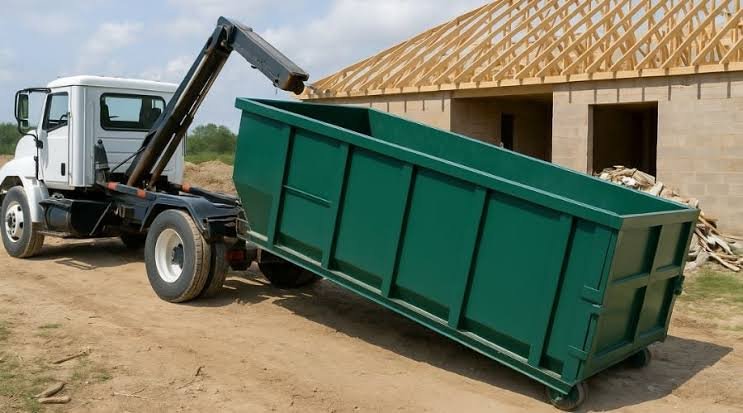
Roll-off dumpsters are commonly used when businesses need larger, temporary waste capacity.
Unlike permanent front-load containers, they are delivered and removed using specialized trucks. This makes them useful for renovations, construction work, major cleanouts, and other projects that generate large amounts of debris over a limited period.
Understanding roll-off dumpster sizes can help businesses plan temporary projects more effectively.
A small renovation may require a modest container, while demolition or a major commercial remodel could need substantially more capacity.
Again, the material matters just as much as the volume.
Small Businesses May Need Less Than They Think
Not every business needs a huge dumpster.
An office with a few employees might produce mostly paper, packaging, food waste, and other lightweight materials. If collection happens regularly, a smaller container may be enough.
For some operations, a 4-yard commercial dumpster can provide practical capacity without occupying excessive space.
The important thing is to consider collection frequency alongside container size. A smaller container collected more frequently can sometimes work better than a larger container that sits in a parking or service area for long periods.
Don’t Forget About Weight
One of the biggest mistakes businesses make is thinking only about volume.
A dumpster can be physically half empty and still reach its weight limit if it contains dense materials.
Concrete, bricks, soil, tile, roofing materials, and other heavy debris can add weight very quickly.
If your project involves these materials, explain that to the waste provider before choosing a container.
Heavy debris may require specific containers or disposal arrangements. Never assume that because material fits inside the dumpster, it’s automatically acceptable to fill it with that material.
Think About What Happens During Busy Seasons
Waste production often changes throughout the year.
Retail stores may see much more cardboard during holiday seasons. Restaurants can become significantly busier during local events or tourist periods. Offices may produce additional waste during relocations or large company events.
A dumpster that works perfectly in January may feel undersized in December.
Instead of permanently changing your setup, consider temporary adjustments when possible. Additional pickups or short-term containers may be more practical for seasonal increases.
Planning ahead can prevent the familiar scene of cardboard and trash accumulating beside a full container.
Placement Is a Practical Concern
Size isn’t the only consideration.
A dumpster needs enough space around it for safe use and collection. Delivery trucks require room to approach, position, and remove the container.
Think about overhead branches, utility lines, parked vehicles, loading docks, pedestrian routes, and emergency access.
For permanent commercial containers, placement should also consider employees and customers. You want easy access without putting the dumpster in a highly visible or inconvenient location.
A good location can make daily waste disposal feel almost effortless.
Make Sure Employees Know the Rules
Even a perfectly sized dumpster can become overloaded if employees don’t know what belongs inside.
Create simple guidelines.
Explain whether cardboard should be flattened, whether recyclables should be separated, and which materials aren’t accepted.
Clear signs near the container can help, especially in workplaces where many employees use the same disposal area.
When everyone follows the same process, the available capacity tends to go further.
Avoid Putting Prohibited Materials Inside
Businesses sometimes handle materials that require special disposal.
Batteries, chemicals, paints, fuels, pesticides, certain electronics, tires, and hazardous substances may not belong in a standard commercial dumpster.
The exact rules depend on local regulations and the waste provider.
If you’re uncertain, ask before loading.
This is particularly important during remodeling projects, warehouse cleanouts, and business relocations, when unusual materials can turn up unexpectedly.
Use Space Efficiently
How a dumpster is loaded can make a noticeable difference.
Break down cardboard boxes. Dismantle bulky furniture where practical. Flatten suitable materials and distribute debris evenly.
Don’t simply throw everything into one corner.
However, efficient loading doesn’t mean overfilling. Materials shouldn’t extend above the container’s permitted fill level or create hazards for collection crews.
A safe, balanced load is always more important than squeezing in a few extra items.
Recycling Can Reduce General Waste
Commercial businesses often have recyclable materials mixed into their general trash.
Cardboard is an obvious example, especially for retailers and warehouses. Metal, paper, glass, and certain plastics may also be recyclable depending on local programs.
Separating recyclable materials can reduce the amount of general waste your business produces.
It can also help employees become more conscious of what they’re throwing away.
You don’t need to redesign your entire operation overnight. Start with materials that are easy to separate and commonly accepted.
Renovations Require a Different Approach
A business undergoing construction or remodeling should not necessarily rely on its everyday dumpster.
Demolition produces much more waste than normal operations. Drywall, flooring, cabinetry, fixtures, roofing, and other materials can quickly overwhelm standard commercial containers.
Temporary roll-off service may be more appropriate.
Talk with the provider before the project starts and explain the type of debris involved. If heavy materials are part of the job, mention those specifically.
A few minutes of planning can prevent delays once demolition begins.
Consider How Long You’ll Need the Container
For permanent waste service, collection frequency is the main issue.
For temporary roll-off containers, rental duration becomes equally important.
A commercial renovation that was supposed to take one week can easily stretch into two or three. Weather, supply delays, unexpected structural problems, and contractor schedules can all affect the timeline.
Understand the rental period and ask about extension options before the container arrives.
That way, a delayed project doesn’t automatically become a waste-management emergency.
Cost Isn’t Just About Container Size
Businesses naturally want to control expenses, but the cheapest-looking option isn’t always the most economical.
Consider the entire service arrangement: container size, collection frequency, rental duration, disposal charges, weight limits, and potential additional fees.
A slightly larger container may be cheaper overall if it prevents extra pickups. Likewise, a smaller container may make more sense if frequent collection is inexpensive and space is limited.
Think about the total cost of managing the waste, not just the initial price.
Review Your Setup as the Business Changes
Your waste needs can change as quickly as your business does.
Hiring more employees, adding new products, opening another location, expanding a kitchen, or changing delivery patterns can all affect waste volume.
Review your dumpster arrangement periodically.
If containers are constantly overflowing, something needs to change. If they’re consistently almost empty, you may be paying for capacity you don’t need.
Waste management should evolve alongside the business.
The Right Size Keeps Problems Small
A dumpster is a simple piece of equipment, but choosing the right one takes a little thought.
Look at your normal waste volume. Consider the type and weight of the material. Think about seasonal changes, employee habits, available space, and collection frequency.
For temporary projects, consider how long the container will be needed and whether roll-off service makes more sense than regular commercial collection.
The goal isn’t to find the biggest dumpster available.
It’s to find the capacity that fits the job without creating unnecessary expense or inconvenience.
When the size is right, waste stays contained, employees have a clear place to dispose of materials, and property managers have one less operational issue to worry about.
And honestly, that’s the best outcome. Waste management should work quietly in the background, giving everyone more time to focus on the business itself.