Water quality can influence almost every part of household life, even when the water coming from the tap looks completely normal. The taste of morning coffee, the feel of freshly washed clothes, the condition of bathroom fixtures, and the performance of water-using appliances can all be affected by what is dissolved or suspended in the water supply.
For some homes, the main concern is hard water. For others, chlorine odor, sediment, metallic taste, or concerns about specific contaminants may lead homeowners to explore filtration and conditioning options. With so many products available, it can be difficult to know where to begin. Terms such as softeners, conditioners, refiners, and filtration systems are sometimes used interchangeably, even though they may serve different purposes.
Understanding the differences can help homeowners choose a treatment approach based on actual water conditions rather than confusing marketing claims.
Start by Understanding Your Water
Before choosing any equipment, it’s worth finding out what is in your water. Municipal water is treated and monitored, but its mineral content and taste can vary by location. Private well water may change according to groundwater conditions, rainfall, soil composition, and nearby land activity.
A professional water test can identify factors such as hardness, pH, iron, manganese, chlorine, total dissolved solids, and other potential concerns. Additional testing may be necessary for bacteria, nitrates, lead, arsenic, PFAS, or other substances.
This step is important because no single system is designed to solve every water-quality problem. A device intended to reduce hardness may not remove chlorine, while a carbon filter may improve taste but do little for calcium and magnesium. Testing helps clarify which treatment method is appropriate.
What Are EcoWater Systems?
The name ecowater systems is associated with residential and commercial water-treatment equipment designed to address issues such as hard water, unwanted tastes, odors, and certain contaminants. Product offerings may include water softeners, filtration units, reverse osmosis systems, and related treatment technologies.
When considering any branded system, homeowners should look beyond the name and examine the exact product specifications. Different models may be designed for different water conditions, household sizes, and treatment goals.
Important factors include the system’s capacity, installation requirements, regeneration process, filter-replacement schedule, warranty, and expected operating cost. A system should also be evaluated according to independently verified performance claims where available.
The brand itself is only part of the decision. The most useful question is whether the selected equipment is suitable for the water entering your home.
Water Softeners and Their Purpose
Hard water contains calcium and magnesium minerals that can create scale, soap scum, cloudy glassware, and rough-feeling laundry. These minerals are naturally occurring and are not automatically a sign that water is unsafe, but they can create ongoing maintenance challenges.
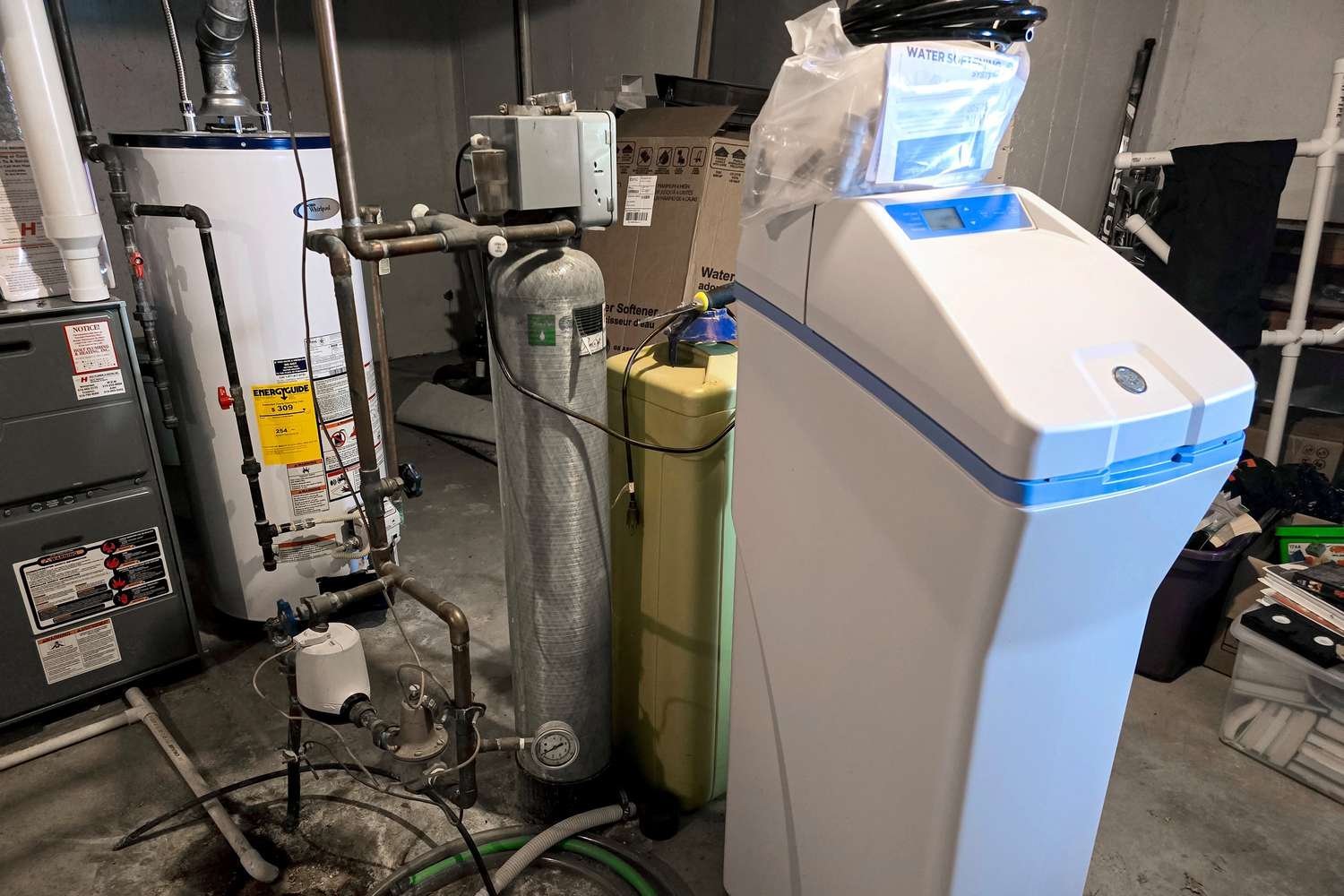
Traditional water softeners use an ion-exchange process to reduce hardness. Water passes through resin beads that attract calcium and magnesium. The system later regenerates the resin using a salt or potassium solution, allowing it to continue working.
Softened water can make soap lather more easily, reduce mineral deposits, and help protect water heaters and plumbing fixtures. Many homeowners also notice that clothes and towels feel different after washing.
However, softeners do not remove every contaminant. They are not a complete substitute for drinking-water filtration, disinfection, or specialized treatment. In addition, salt-based systems require regular maintenance and may not be suitable for every household or wastewater setup.
How Water Conditioners Differ
The term water conditioners can refer to a range of products that alter the behavior or characteristics of water without necessarily removing hardness minerals. Some conditioners are designed to reduce the tendency of minerals to form scale on surfaces.
Salt-free conditioning systems may use template-assisted crystallization or other technologies to change how certain minerals behave. Instead of exchanging calcium and magnesium ions, these systems aim to reduce the ability of minerals to attach firmly to plumbing and fixtures.
This distinction is important. A conditioner may help reduce scale formation, but it generally does not make hard water chemically soft. Calcium and magnesium may still remain in the water.
Water conditioners can appeal to homeowners who want to avoid adding salt, reduce maintenance, or limit wastewater associated with traditional softeners. Still, performance varies by product and water chemistry. Homeowners should review independent test data and understand exactly what the system claims to accomplish.
What Water Refiners May Offer
The phrase water refiners is often used to describe systems intended to improve the overall feel, taste, or usability of household water. Depending on the product, a refiner may combine softening, filtration, or conditioning features in one unit.
Some refiners are designed as multi-purpose systems, reducing hardness while also addressing chlorine, sediment, or other water-quality concerns. Others may focus mainly on improving the water’s texture and household performance.
Because the term “refiner” is not always used consistently across the industry, it’s important to examine the actual technology inside the equipment. Ask whether the system removes contaminants, reduces hardness, changes mineral behavior, or combines several processes.
A product that includes multiple functions may be convenient, but it can also require more complicated maintenance. Make sure replacement media, service requirements, and operating costs are clearly explained before purchasing.
Filtration for Drinking and Cooking Water
Whole-home treatment can improve water used for bathing, laundry, and appliances, but drinking water may require additional filtration. A reverse osmosis system, activated carbon filter, or another point-of-use device may be appropriate depending on test results.
Activated carbon filters are commonly used to reduce chlorine taste and odor, along with certain organic compounds. Reverse osmosis systems can reduce many dissolved substances, including certain salts, metals, and other contaminants, depending on the membrane and certification.
A drinking-water filter should be selected according to the specific substances you want to reduce. Look for verified performance claims and replace cartridges on schedule. A neglected filter can lose effectiveness and may create hygiene concerns.
Consider Installation and Long-Term Costs
The purchase price is only one part of water-treatment ownership. Homeowners should also consider installation, filter replacement, salt or potassium use, electricity, wastewater, repairs, and professional servicing.
Space is another practical issue. Some systems require a dedicated area near the main water line, while under-sink reverse osmosis units need room for filters, tubing, and sometimes a storage tank. Make sure there is enough space to access the equipment during maintenance.
Water pressure and flow rate should also be reviewed. A system that is too small may restrict water flow or fail to meet household demand. A system that is too large may cost more than necessary without providing meaningful benefits.
Choose Treatment Based on Evidence
The best water-treatment system is not always the one with the most features or the highest price. It is the one that addresses the actual problems found in your water.
Start with testing, understand the difference between softening, conditioning, filtration, and refining, and ask for clear information about performance and maintenance. Avoid vague promises that a single product can remove every impurity or solve every water issue.
When chosen carefully, water-treatment equipment can make household routines more comfortable and reduce the wear caused by unwanted minerals or particles. More importantly, an informed decision helps ensure that your investment is useful, manageable, and suited to the water your family relies on every day.