Water treatment equipment isn’t usually the most exciting thing on a homeowner’s shopping list. Kitchens get remodeled. Floors get replaced. New appliances arrive in shiny boxes. A filtration tank sitting quietly near the plumbing doesn’t quite have the same appeal.
Still, water quality affects everyday life in ways that are hard to ignore once you notice them. Maybe there’s scale around the faucets, an unpleasant taste in your drinking water, or a persistent odor that makes you reach for bottled water.
Choosing the right treatment system can help. But the equipment itself is only half the story. How it’s selected, sized, installed, and maintained can have just as much influence on the final result.
Start With the Water You Actually Have
Before buying anything, take a closer look at your water.
The source matters. Municipal water and private well water can have very different characteristics. Even within the same general area, individual properties may experience different conditions because of plumbing, groundwater chemistry, or changes in the supply.
Testing can reveal information that isn’t obvious from appearance alone. Hardness, pH, iron, manganese, dissolved solids, and other characteristics may all influence which treatment approach makes sense.
This is an important first step because water treatment isn’t one-size-fits-all. A system designed for hard water won’t necessarily solve a chlorine taste, and a sediment filter isn’t going to address every dissolved substance.
Installation Is More Than Connecting a Few Pipes
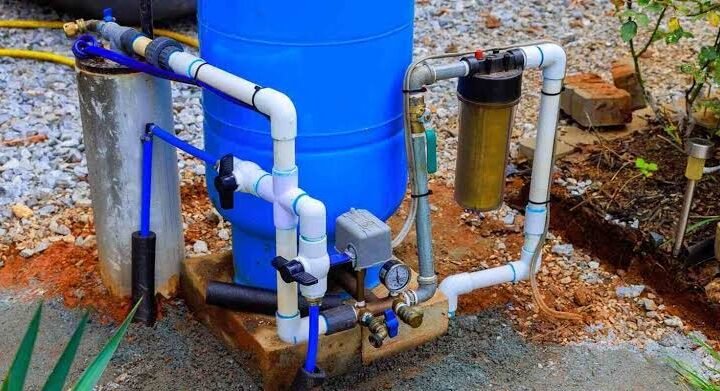
A properly planned water treatment system installation involves more than putting equipment beside a water line and tightening a couple of fittings.
The installer needs to consider water pressure, flow rate, drainage, plumbing configuration, electrical requirements when applicable, equipment location, and future access for maintenance.
Location matters more than people think.
A system tucked into an impossibly cramped corner may technically fit, but servicing it later could become a headache. Filters need room to be removed. Valves need to remain accessible. Leaks need to be visible enough to detect.
A little planning at the beginning can save a surprising amount of frustration later.
Think About How Much Water Your Home Uses
A treatment system has to keep up with the household.
One person living alone doesn’t use water in quite the same way as a family with several bathrooms, laundry running throughout the week, and a dishwasher going every night.
Peak demand matters, too.
Imagine someone showering while another person is washing dishes and the washing machine starts filling. That’s ordinary household behavior, not an unusual event.
If the equipment is undersized, pressure or flow can become frustrating. If it’s dramatically oversized, you’re potentially paying for capacity you don’t need.
The sweet spot is equipment that matches real household demand.
Water Softeners Have a Specific Job
Hard water is one of the most common reasons homeowners consider treatment.
Calcium and magnesium in hard water can create scale on fixtures and appliances. Over time, that buildup can become especially noticeable around showerheads, faucets, glass doors, and water-heating equipment.
water softeners are designed primarily to reduce hardness and can provide whole-home treatment when that is the main concern.
But a softener isn’t a universal water purifier.
If your water also has sediment, chlorine taste, iron, or another issue, additional treatment may be needed. The best system isn’t the one with the longest list of features; it’s the one that addresses the problems actually present.
Drinking Water Often Deserves Its Own Solution
Many households don’t need every drop of water to receive the same level of treatment.
You may be perfectly happy with your shower water while wanting additional treatment for the water you drink and use for cooking.
That’s where point-of-use systems can make practical sense.
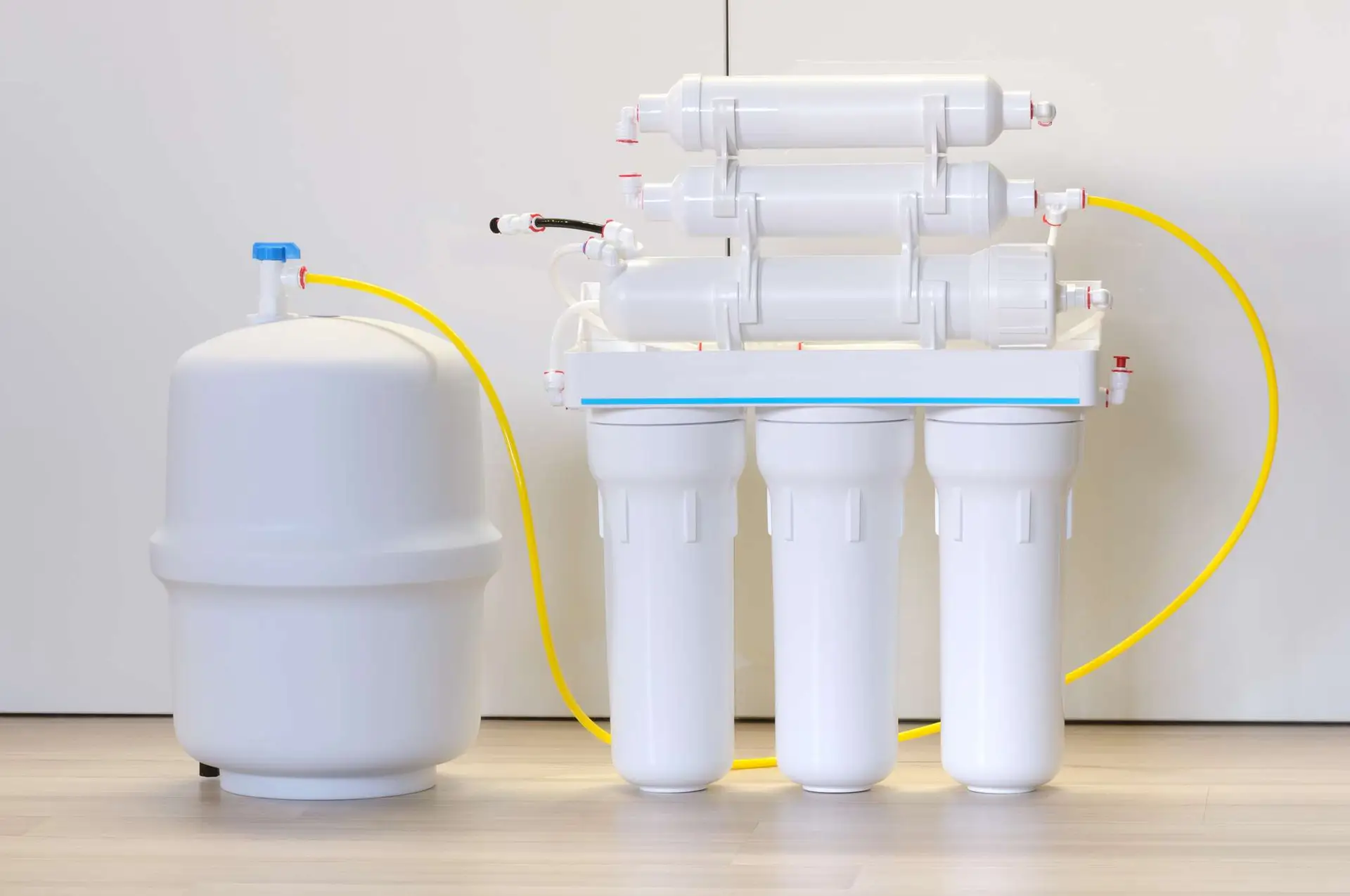
Reverse osmosis is one common option for kitchen drinking water. It uses pressure to move water through a semipermeable membrane, reducing many dissolved substances along the way.
reverse osmosis drinking water systems are often installed beneath kitchen sinks and paired with pre-filters and a dedicated faucet.
They do require maintenance, though. Filters and membranes need replacement, and water pressure and system efficiency should be considered before installation.
Don’t Ignore Sediment
Sediment may seem like a minor annoyance until it starts causing other problems.
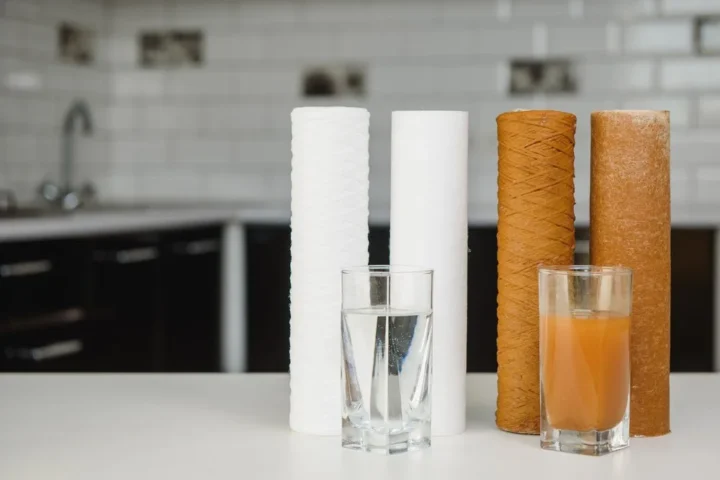
Particles can collect in faucet aerators, valves, appliance components, and filtration cartridges. In some homes, sediment levels can change after plumbing work or other disturbances in the supply.
A sediment filter can help capture particulate material before it moves farther into the plumbing system.
However, filter selection matters. A cartridge that is too restrictive may clog quickly, while a filter that is too coarse may not capture the particles you’re trying to remove.
Again, knowing what’s in the water makes the decision much easier.
What About Taste and Odor?
Unpleasant taste or odor is often the reason people begin researching filtration.
Chlorine can affect the taste and smell of municipal water. Iron may create a metallic quality or staining. Certain well-water conditions can produce earthy or sulfur-like odors.
Different treatment technologies address different causes.
Carbon filtration is commonly used for certain taste and odor concerns, while specialized systems may be required for other conditions.
Don’t assume that a filter that makes water taste better has automatically solved every water-quality issue. Improving aesthetics and reducing a specific contaminant aren’t necessarily the same thing.
Installation Should Leave Room for Maintenance
One thing that’s easy to forget during installation is what happens six months later.
Filters need to be replaced. Tanks may need inspection. Valves and fittings may eventually require service.
The equipment should be positioned so those tasks can be performed without dismantling half the plumbing.
This sounds like a small detail, but accessibility has a real effect on whether maintenance actually happens.
If changing a filter requires crawling behind a water heater with a flashlight, there’s a decent chance someone will keep putting it off.
Check Pressure Before You Blame the System
Water pressure plays an important role in many treatment systems, particularly reverse osmosis.
If pressure is too low, treated-water production may slow down. If pressure changes unexpectedly after installation, there may be a restriction, clogged filter, valve issue, or separate plumbing problem.
That’s why pressure should be checked during system planning and troubleshooting.
A good installer should understand how the treatment equipment interacts with the home’s existing plumbing rather than treating it as an isolated appliance.
Don’t Forget Drainage
Some treatment technologies produce wastewater or require a drain connection for regeneration or flushing.
The drain arrangement needs to be planned correctly.
A poorly configured drain line can lead to inefficient operation or, in the worst cases, water damage.
Before installation, make sure the proposed equipment has an appropriate drainage path and that the setup follows manufacturer requirements and applicable plumbing rules.
It’s not the glamorous part of water treatment, but it matters.
Choose Equipment You Can Maintain
A system should be practical not only on installation day but for years afterward.
Ask about replacement filter costs, expected service intervals, membrane life, salt requirements if applicable, and common maintenance tasks.
Also consider whether replacement parts are readily available.
There’s little comfort in owning an impressive treatment system if obtaining a basic replacement cartridge becomes an adventure every year.
Long-term convenience should be part of the buying decision.
Professional Help Can Be Worth It
Some homeowners are comfortable handling simple filter changes themselves. More complicated installations are another matter.
Water treatment equipment interacts directly with plumbing and, in some cases, drainage and electrical components.
Professional installation can help ensure proper sizing, connections, pressure, drainage, and setup. It also gives you someone to call when the system behaves differently than expected.
The goal isn’t to make homeowners dependent on a technician for every little task. It’s to get the foundation right and make routine maintenance manageable afterward.
Think Beyond the First Day
Installing water treatment equipment is an investment in how your home operates every day.
The best results usually come from a thoughtful process: test the water, identify the actual problems, choose appropriate technology, size the equipment correctly, and install it with future maintenance in mind.
You don’t necessarily need the most elaborate system on the market. In fact, simpler is often better when it solves the right problem.
Once everything is installed correctly, the equipment should fade into the background. You turn on the faucet, fill a glass, take a shower, wash dishes, and carry on.
That’s what good water treatment is supposed to do.
Not demand attention, but quietly make ordinary parts of home life a little easier.