A home’s plumbing system is easy to ignore when everything is working as it should. Water flows when you turn on the tap, drains disappear without a second thought, and the toilet flushes like clockwork. But behind those everyday conveniences is a network of pipes that gradually wears down, especially in older homes. Small leaks, slow drains, low water pressure, and unusual smells may seem manageable at first. Left unresolved, though, they can become expensive problems.
Professional plumbing care is about more than fixing emergencies. It also involves maintaining the systems that bring clean water into your home, carry wastewater away, and support the comfort of your daily routine. From damaged supply lines to outdated piping, the right solution can protect your property and prevent repeated repairs.
Keeping Water Lines Safe and Dependable
Water lines play a central role in every home. They deliver water to sinks, showers, washing machines, water heaters, and other fixtures. When these lines develop leaks, corrosion, cracks, or blockages, the effects can spread quickly. You might notice damp spots under cabinets, unexplained increases in your water bill, weak water pressure, or patches of discolored flooring and walls.
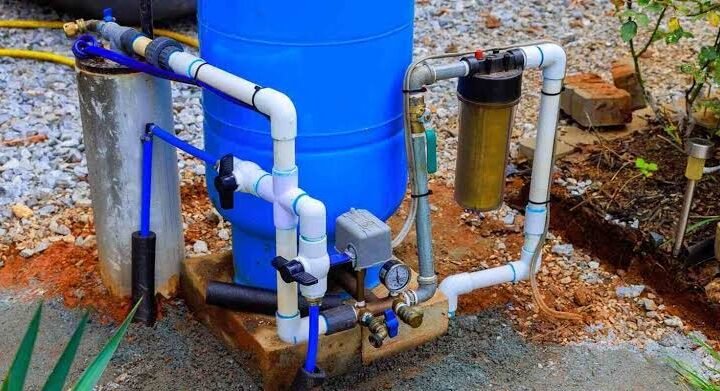
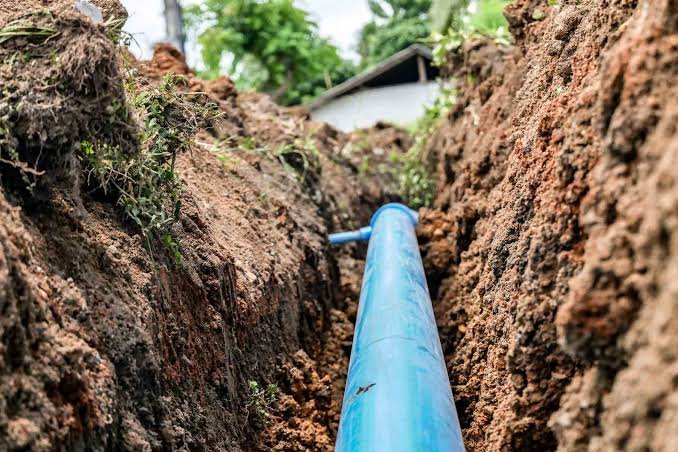
Professional water line installations & repairs help address these concerns before they cause extensive damage. A qualified plumber can inspect the affected area, identify the source of the problem, and determine whether a repair is enough or a full replacement is more practical. Not every issue requires major construction, but ignoring a damaged line rarely makes it disappear.
New water line installation also requires careful planning. Pipe size, material, water pressure, soil conditions, and the layout of the property all matter. A line that is installed incorrectly may create pressure problems or fail earlier than expected. Experienced professionals understand how to select suitable materials and install them according to local requirements.
Recognizing the Warning Signs of Sewer Problems
Sewer lines carry wastewater away from the property, making them one of the most important parts of a home’s plumbing infrastructure. Unfortunately, sewer issues are often difficult to spot until the problem becomes serious. Several drains may begin running slowly, toilets may gurgle, or unpleasant odors may appear around the home. In some cases, wastewater can back up into showers, sinks, or floor drains.
Common causes include tree root intrusion, grease buildup, broken pipes, shifting soil, poor connections, and aging materials. Flushing inappropriate items or pouring cooking grease down the drain can also contribute to blockages over time.
Reliable sewer line services can include inspections, cleaning, repairs, trenchless replacements, and complete line installation. Before recommending a solution, a plumber should assess the condition and location of the problem. Modern camera inspections are especially useful because they allow professionals to view the inside of a pipe without immediately digging up the yard or flooring.
This approach saves time and helps homeowners make informed decisions. A simple obstruction may only need professional cleaning, while a collapsed or severely damaged section could require repair or replacement.
When Repiping Becomes the Better Option
Many older homes still rely on pipes that have been in service for decades. Depending on the material, these pipes may be vulnerable to rust, mineral buildup, corrosion, pinhole leaks, or reduced interior diameter. Replacing one small section can solve an immediate problem, but repeated leaks throughout the property may indicate that the entire system is nearing the end of its useful life.
That is where repiping services can make a meaningful difference. Repiping involves replacing old or failing water supply pipes with newer materials designed for long-term performance. It can improve water pressure, reduce the risk of leaks, and provide greater peace of mind for homeowners who are tired of calling for the same repair again and again.
Repiping does not always mean tearing apart the entire house. Depending on the structure and pipe layout, professionals may use methods that limit wall openings and reduce disruption. The exact process varies from one property to another, so a detailed inspection is essential before work begins.
Homeowners should consider repiping when leaks occur frequently, water appears rusty, pressure remains poor despite other repairs, or the existing pipes are made from materials known to deteriorate with age. While the initial investment can be significant, it may be more cost-effective than paying for repeated emergency repairs and repairing water damage.
Choosing the Right Plumbing Materials
The materials used in a plumbing system affect its durability, maintenance needs, and overall performance. Copper, PEX, PVC, and other approved materials each have different strengths. For example, PEX is flexible and often easier to install in complicated layouts, while copper has a long history of use in residential plumbing. Drain and sewer applications may require different materials altogether.
A professional plumber can recommend the right option based on the location of the pipe, local regulations, water conditions, budget, and expected lifespan. Choosing materials based only on the lowest upfront price can be a mistake. A cheaper product may not be suitable for the environment or may require more maintenance over time.
Good workmanship matters just as much as the materials themselves. Even high-quality pipes can fail when connections are poorly made, supports are inadequate, or installation standards are ignored.
Preventing Plumbing Problems Before They Escalate
Routine maintenance can help homeowners avoid many unpleasant surprises. Checking exposed pipes for moisture, paying attention to changes in water pressure, cleaning drains carefully, and avoiding harsh chemical products are simple but useful habits. It is also wise to know where the main water shutoff valve is located. In an emergency, shutting off the water quickly can limit damage.
Professional inspections are particularly valuable for older properties or homes that have experienced repeated plumbing issues. A plumber may identify early signs of corrosion, hidden leaks, tree root intrusion, or failing connections that are not visible during everyday use.
It is also important not to treat every plumbing symptom as an isolated problem. A slow drain might be a local blockage, but several slow drains at once could point to a larger sewer issue. Likewise, low pressure throughout the home may indicate a problem with the main supply line rather than a single faucet.
Investing in Long-Term Comfort
Plumbing repairs are rarely convenient, but delaying necessary work can create more disruption later. A leaking water line can damage flooring and cabinetry. A neglected sewer problem can create sanitation concerns. Aging pipes may continue to fail in different areas of the home, making short-term fixes increasingly frustrating.
The best plumbing decisions balance immediate needs with long-term reliability. That means choosing qualified professionals, asking for a clear explanation of the problem, understanding the available repair options, and considering the condition of the entire system rather than focusing only on one visible symptom.
A dependable plumbing network supports much more than water flow. It protects the structure of the home, supports hygiene, and makes everyday life easier. With timely inspections, careful repairs, and the right upgrades, homeowners can avoid many preventable problems and enjoy a system that works quietly in the background—the way good plumbing should.