You rarely think about finding a plumber when everything in the house is working. The toilet flushes, the shower drains, the water heater does its job, and the kitchen faucet behaves itself.
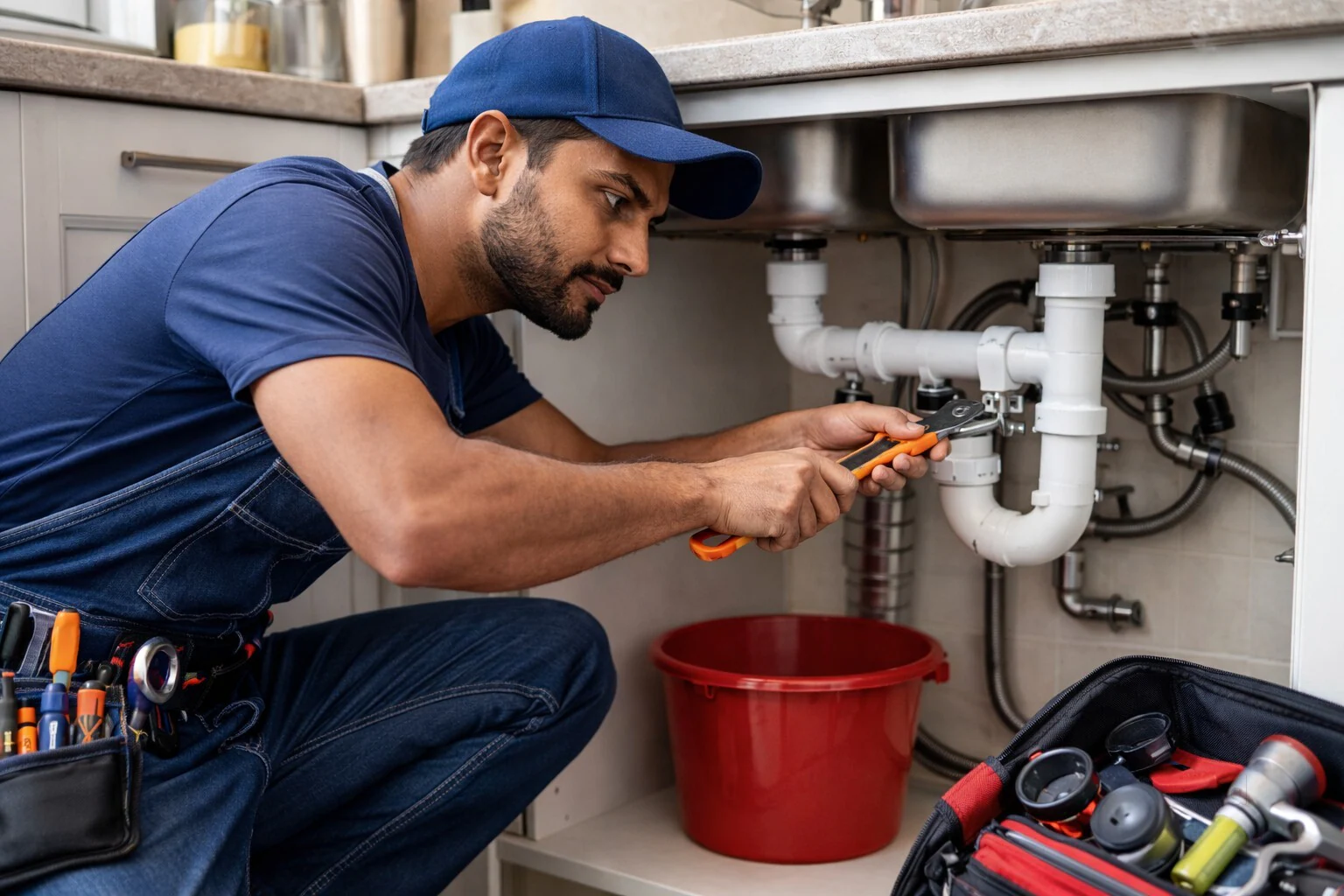
Then one morning, you notice water pooling under the sink.
It’s tempting to grab the phone and call the first company that appears online. When water is spreading across the floor, nobody wants to spend an hour comparing businesses. But choosing a plumbing professional in a hurry can sometimes create more headaches later.
A better approach is to know what to look for before you’re standing in the middle of a plumbing mess.
Reliable service isn’t only about fixing a pipe. It’s about accurate diagnosis, honest communication, appropriate workmanship, and treating your home as though someone actually cares about it.
Start by Looking at the Basics
A professional plumbing company should make it reasonably easy for customers to understand who they’re dealing with.
A clear website, business information, service descriptions, and accessible contact info are simple but useful signs. You should be able to determine how to reach the company, what types of plumbing work it handles, and what service area it covers.
If basic information is difficult to find, that’s worth noticing.
It doesn’t automatically mean the company is unreliable, of course. Small businesses sometimes have limited online resources. Still, transparency matters when you’re allowing someone into your home.
Look for evidence of experience, licensing where required, insurance, customer reviews, and clearly explained services.
Don’t Wait for a Plumbing Emergency
One of the smartest things a homeowner can do is research plumbing companies before needing one.
It sounds obvious, but most people don’t do it.
Instead, they search frantically when a pipe bursts or a water heater stops working. That urgency makes it harder to compare options.
If you have a little time, identify a few reputable local providers and save their numbers. Read recent reviews. Check what services they offer. Find out whether they handle emergency calls.
You don’t need a complicated spreadsheet.
A short list in your phone can be enough.
Then, if something goes wrong at an inconvenient hour, you aren’t starting from zero.
A Good Estimate Should Be Understandable
Pricing is one of the first things homeowners consider, especially for larger jobs.
A free quote can be helpful when comparing repair or replacement options, but don’t assume that the lowest number is automatically the best deal.
Ask what the estimate includes.
Does it cover labor? Materials? Removal of old equipment? Additional fittings? Testing after installation? Are there circumstances that could change the final price?
A clear estimate gives you a better basis for comparison.
For complicated repairs, a professional may need to inspect the property before providing a firm price. That’s normal. Plumbing problems aren’t always visible from a brief phone conversation.
Be cautious of anyone who confidently promises an exact price without understanding what they’re actually repairing.
Diagnosis Is Often More Important Than Speed
When a homeowner sees water under a sink, the obvious reaction is to find the leak and tighten something.
Sometimes that’s all it takes.
Other times, the visible water isn’t coming from the place you think it is.
Water can travel along pipes, cabinets, flooring, and walls. A leak that appears beneath a sink could originate from a connection farther back.
The same principle applies to clogged drains, poor water pressure, and water-heater problems.
A good plumber investigates the cause instead of simply treating the symptom.
This can take a little longer initially, but it may save money by preventing repeated repairs.
Know When a Repair Is Better Than Replacement
There’s a natural tendency to assume that replacing old equipment is always the smarter choice.
Not necessarily.
A water heater with a failed inexpensive component may have plenty of useful life remaining. A faucet with a worn cartridge may not need complete replacement.
On the other hand, an aging water heater with corrosion, recurring failures, and declining performance may no longer be worth repairing.
The right answer depends on the condition of the equipment, repair cost, expected remaining life, and available replacement options.
A trustworthy professional should explain those factors rather than pushing the most expensive solution.
Emergency Plumbing Requires Calm Decisions
Plumbing emergencies can create panic quickly.
A burst supply line can release large amounts of water. A sewer backup can make bathrooms unusable. A major leak can threaten flooring, walls, and personal belongings.
If you can safely do so, shutting off the relevant water supply can help limit damage while you wait for professional assistance.
Avoid attempting complex repairs simply because you’re worried about the cost. A rushed DIY fix can sometimes make the eventual repair more difficult.
During an emergency, good communication matters.
You want someone who can explain what needs to happen immediately, what can wait, and what caused the failure.
Good Plumbing Service Includes More Than Repairs
A strong plumbing service should cover the broader needs of a property rather than focusing only on emergency calls.
That might include fixture installation, drain cleaning, leak detection, water-heater maintenance, pipe repairs, bathroom plumbing, and larger renovation projects.
Having one reliable company for several needs can be convenient because the professionals become familiar with the property over time.
They may know which sections of plumbing are older, which fixtures have been replaced, and which problems have appeared before.
That history can be surprisingly useful.
Pay Attention to Water Pressure
Water pressure is one of those things homeowners notice only when it changes.
A shower that suddenly feels weak can be annoying. A faucet that barely produces a stream can make ordinary chores frustrating.
Low pressure may have several causes.
A clogged aerator is relatively simple. A problem affecting the entire home could involve valves, supply lines, pressure-regulating equipment, mineral buildup, or the incoming water supply.
High pressure deserves attention as well because excessive pressure can place additional stress on fixtures and plumbing connections.
If pressure changes suddenly or continues deteriorating, professional diagnosis is worthwhile.
Water Heaters Deserve Regular Attention
Water heaters work hard every day.
Traditional tank units continuously heat and store water, while tankless equipment heats water as it is needed. Both have advantages, and both require appropriate maintenance.
Sediment can accumulate in storage tanks. Mineral scale can affect tankless equipment, particularly in hard-water areas.
Warning signs include unusual noises, inconsistent water temperature, rusty-looking water, visible corrosion, and moisture around the unit.
Don’t wait until the equipment fails completely if you can reasonably investigate the problem beforehand.
A planned replacement is generally less stressful than discovering at 7 a.m. that the entire household has no hot water.
Ask Questions Without Feeling Awkward
Homeowners sometimes hesitate to ask questions because they don’t want to sound uninformed.
Don’t worry about that.
Ask what failed. Ask why the repair is necessary. Ask whether there are alternatives. Ask how long the repair should last under normal conditions. Ask whether maintenance is recommended.
A professional should be able to answer these questions without making you feel uncomfortable.
You don’t need to understand every technical detail. You simply need enough information to make a sensible decision.
Preventive Maintenance Can Save You Trouble
Not every plumbing problem can be prevented, but homeowners can reduce avoidable issues with basic attention.
Check under sinks occasionally. Look around toilets and water heaters for moisture. Don’t pour grease down drains. Don’t flush inappropriate materials.
Listen for unusual sounds.
If a faucet begins dripping, repair it. If a drain becomes progressively slower, investigate it before it becomes completely blocked.
Small problems are often easier and less expensive to address than major failures.
Look for Long-Term Reliability
The best plumbing company isn’t necessarily the one with the biggest advertisement or the cheapest promotional offer.
It’s the company that consistently does good work.
That means arriving when promised, communicating clearly, diagnosing problems carefully, using appropriate materials, respecting the property, and standing behind the work.
A reliable plumber becomes valuable over time because plumbing needs don’t end after one repair.
Homes change. Fixtures age. Water heaters eventually need replacement. Renovations require new connections.
Having a professional you trust makes those future decisions much easier.
The Right Plumber Makes a Difficult Day Easier
Plumbing problems are rarely convenient. Even a small leak can interrupt an otherwise ordinary day.
That’s why choosing a plumbing professional should involve more than searching for the fastest appointment.
Look for transparency. Look for experience. Look for clear estimates and thoughtful diagnosis. Pay attention to how the company communicates before you’ve even hired it.
Most importantly, choose someone who treats your home and your concerns with respect.
When the inevitable plumbing problem eventually arrives—and it probably will—having a reliable professional to call can turn a stressful situation into a manageable one.
You can’t always prevent the pipe from breaking.
But you can be prepared for what happens next.