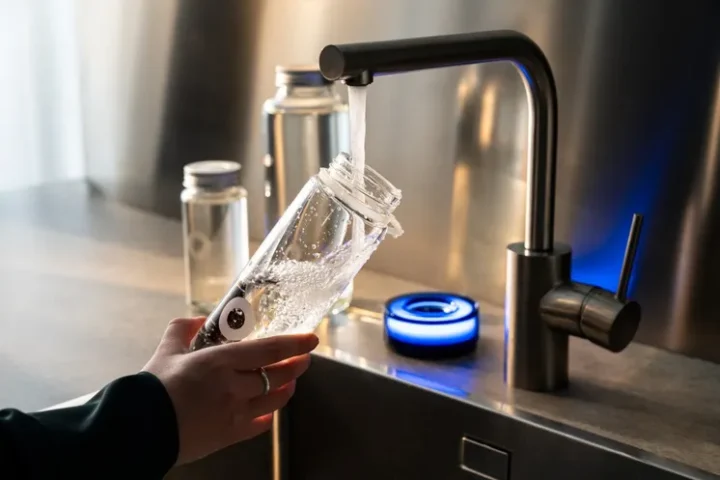
There’s something satisfying about filling a glass straight from the kitchen tap. No bottles to carry, no plastic to stack in the pantry, no last-minute trip to the store because the water jug is empty again.
But sometimes tap water has a taste you don’t love. Maybe it has a faint chlorine note, leaves you wondering about dissolved minerals, or simply doesn’t taste as fresh as you’d like. That’s when homeowners often start looking at drinking-water filtration.
Among the many options available, reverse osmosis has earned a place in a lot of kitchens. It isn’t the answer to every water-quality concern, and it does require maintenance, but when properly selected and installed, it can provide an effective way to improve water used for drinking and cooking.
The trick is understanding what the system actually does before deciding whether it belongs under your sink.
What Reverse Osmosis Actually Does
Reverse osmosis uses pressure to push water through a semipermeable membrane. The membrane allows water molecules to pass while reducing many dissolved substances and other impurities.
That sounds technical, but the everyday idea is fairly simple: water is moved through a very fine barrier, and many unwanted substances are separated from the treated water.
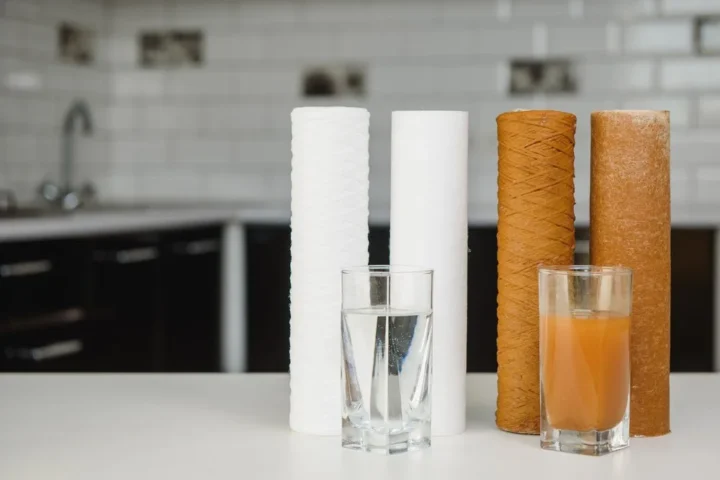
A reverse osmosis unit typically uses more than just the membrane. Depending on the design, it may include sediment filtration, carbon filtration, the membrane itself and a final polishing filter.
Each stage has a role.
Why Homeowners Choose RO for the Kitchen
For many people, the main attraction is taste.
Water that tastes clean and fresh can make coffee, tea, soups and even ice cubes noticeably more enjoyable. That’s not a scientific measurement, of course, but anyone who’s switched from mediocre tap water to water they genuinely like will understand the difference.
Well-designed reverse osmosis drinking water systems can also be selected when homeowners want to reduce specific dissolved substances from their drinking supply.
The important word is “specific.”
RO systems have different specifications and capabilities. Before purchasing one, check what the particular system is designed and certified to reduce rather than assuming every reverse osmosis unit performs identically.
Drinking and Cooking Water Deserves Some Thought
We use kitchen water for much more than filling glasses.
It goes into coffee makers, kettles, pasta pots, soups, baby food and countless other everyday things. A system intended for drinking & cooking water therefore needs to be practical enough for regular use.
Point-of-use treatment can be appealing because it focuses filtration where it’s most needed. Instead of treating every gallon entering the home, you can treat water at the kitchen faucet.
For some households, that’s a sensible balance between performance and cost.
Under-Sink Systems Keep the Kitchen Looking Normal
Nobody wants a kitchen appliance that takes over half the counter.
One advantage of an under-sink installation is that the equipment can stay largely out of sight. A dedicated faucet can provide treated water without changing the appearance of the main kitchen fixture, depending on the installation.
Modern reverse osmosis under the sink water filtration systems are designed around this kind of point-of-use setup.
There are still practical considerations, though. You’ll need enough cabinet space, appropriate plumbing connections and room for filter changes. Some systems also use a storage tank, while tankless models have different space and flow requirements.
Measure first. It sounds obvious, but it’s a mistake that’s surprisingly easy to make.
Water Pressure Matters
Reverse osmosis doesn’t simply filter water by gravity.
The process requires pressure to move water through the membrane. If incoming pressure is too low, production may be slower and the system may not perform as expected.
This is one reason installation conditions matter.
A professional installer can evaluate the available pressure, plumbing arrangement and system requirements before installation. Some homes may need additional equipment if pressure conditions aren’t suitable.
A system can be excellent on paper and still disappoint if the conditions around it aren’t right.
RO Doesn’t Mean Maintenance-Free
This is probably the least glamorous part of owning a reverse osmosis system, but it’s important.
Filters need to be replaced. The membrane has a service life. Connections should be checked periodically, and the system may need sanitizing according to the manufacturer’s recommendations.
The exact schedule depends on the equipment and incoming water quality.
Ignoring maintenance can affect taste, flow and overall performance. A neglected filter can become restrictive, while an overdue membrane may no longer perform as intended.
Fortunately, routine maintenance isn’t particularly complicated once you know what’s involved.
Put reminders on your calendar. Future you will appreciate it.
What Happens to the Water That Doesn’t Pass Through?
Reverse osmosis systems generally produce a treated stream and a concentrate, or reject, stream.
That means not every gallon entering the system becomes drinking water.
Water efficiency varies considerably between system designs, so it’s worth asking about the system’s recovery ratio and reject-water production before purchasing.
Newer systems may be designed to use water more efficiently than older equipment, but the numbers still matter.
If water conservation is important to your household, compare actual specifications instead of assuming all RO systems operate the same way.
Don’t Expect RO to Solve Every Water Problem
Reverse osmosis is powerful, but it isn’t a universal treatment solution.
If your household has significant hardness, iron or sediment, you may need additional treatment upstream. Large amounts of sediment can shorten filter life, while certain water chemistry conditions can affect membrane performance.
This is why a whole-home treatment strategy and a drinking-water system can sometimes work together.
For example, one system may address a household-wide concern while the RO unit provides additional treatment at the kitchen faucet.
The two aren’t necessarily competing solutions.
Consider the Mineral Question Carefully
Reverse osmosis can reduce certain minerals along with other dissolved substances.
Some homeowners like that result. Others prefer drinking water that retains more naturally occurring minerals.
There’s no need to turn this into a philosophical debate about “natural” versus “filtered” water. The better approach is to understand what your equipment removes and why.
If mineral content matters to you, ask about the membrane’s performance and whether the system includes a remineralization stage.
Some systems do.
Storage Tanks vs. Tankless Designs
Traditional under-sink RO systems often use a storage tank so treated water is available when you open the faucet.
Tankless systems use different designs and can save cabinet space, while some can produce treated water more quickly.
Neither style is automatically better.
Tank systems have a long track record and can provide a ready supply. Tankless units can appeal to homeowners who want a smaller footprint or a more modern setup.
Look at production rate, space, maintenance and cost before deciding.
The Faucet Is Part of the Experience
It may sound like a small detail, but the dedicated drinking-water faucet becomes something you use every day.
Choose a design that feels comfortable and fits the kitchen.
If the faucet is awkward to operate or positioned poorly, even excellent filtration can become mildly annoying.
Good water treatment should be convenient. That’s part of the value.
Think About the Water Before the Equipment
The best reverse osmosis system isn’t necessarily the most expensive one.
Start with your water.
If you’re dealing with unusual taste, hardness, sediment or another concern, testing can help clarify what’s happening. From there, choose a system based on actual water conditions and your household’s goals.
Pay attention to certifications, replacement costs, pressure requirements, water efficiency and maintenance.
Those details aren’t nearly as exciting as a shiny product photo, but they’ll matter much more six months after installation.
Better Drinking Water Should Feel Effortless
A good kitchen filtration system doesn’t need to demand attention.
You fill the kettle. Pour a glass. Make coffee. Cook dinner.
That’s it.
Reverse osmosis can be a useful option for households looking to improve the quality of their drinking and cooking water, particularly when the system is properly matched to the incoming water and maintained as recommended.
The goal isn’t to chase some impossible idea of perfect water.
It’s simply to create water you feel comfortable using every day — water that tastes good, fits your routine and doesn’t require a second thought each time you reach for the faucet.
When the technology works quietly in the background, that’s when it has really done its job.