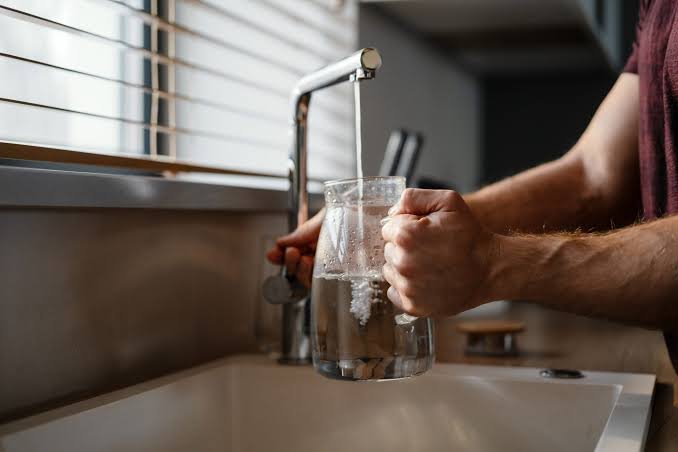
Water is one of those things we rarely think about until something seems wrong with it. Maybe there’s a strange taste in your morning coffee. Perhaps the shower leaves white spots on the glass, or the kitchen faucet occasionally produces cloudy water. These little signs can make you wonder what’s actually coming through your pipes.
The good news is that improving household water doesn’t always require a complicated solution. The right treatment depends on the source of the water, the problems you’re experiencing, and what testing reveals. A thoughtful approach can make water more pleasant to drink, easier to use, and more manageable around the house.
Start With the Water You Already Have
Before choosing a filtration product, take a close look at the water entering your home. Municipal water and private well water can have very different characteristics. Even homes in the same neighborhood may experience differences because of plumbing, building age, or local water conditions.
A water test is often the most useful starting point. It can identify concerns that aren’t obvious just by looking at a glass of water. Depending on the test, you may learn about hardness, chlorine, iron, manganese, nitrates, pH, bacteria, or other substances.
That information matters because filtration isn’t one-size-fits-all. A system designed to improve taste may not address a specific contaminant, while a treatment designed for dissolved minerals may be unnecessary if your main concern is sediment.
Choosing the Right Filtration Approach
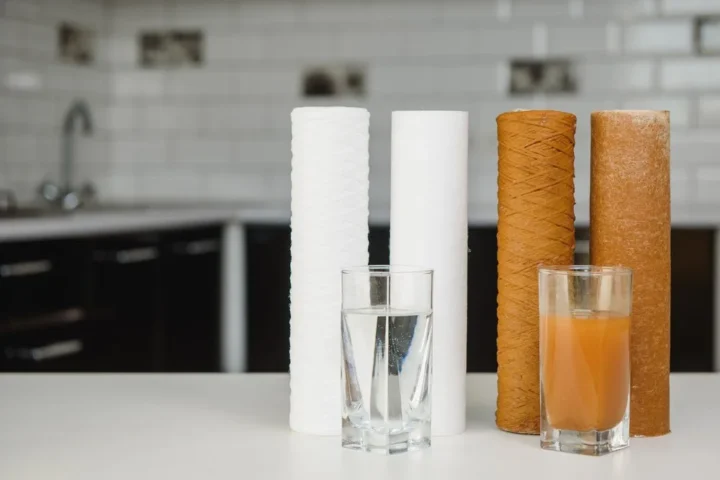
Once you understand your water, you can start comparing treatment options. Carbon filtration is commonly used for taste and odor concerns, including chlorine. Sediment filters are designed to capture particles such as sand, dirt, silt, and rust.
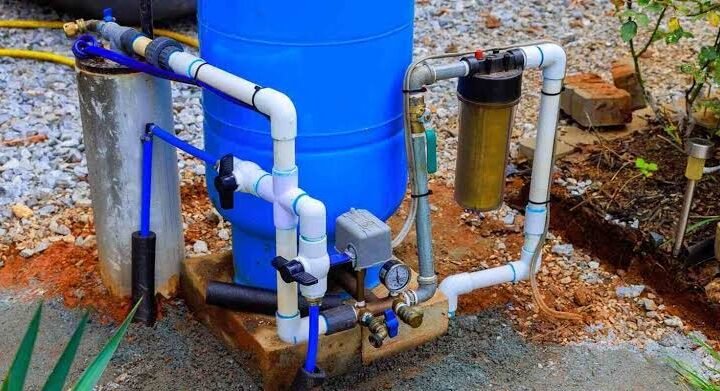
For broader household needs, water filter systems come in several different designs. Some are installed under a kitchen sink and provide treated water at one faucet. Others are connected to refrigerators or dedicated drinking-water taps. Whole-home systems are installed at the point where water enters the property, allowing treatment before water reaches different fixtures.
The important thing is to focus on what the system is actually designed to remove. Marketing language can sound impressive, but the specifications and certifications tell you much more about its real purpose.
Point-of-Use or Whole-Home Filtration?
A point-of-use system can make sense when drinking and cooking water are the primary concerns. An under-sink filter, for instance, can provide treated water without changing the entire home’s plumbing. It’s a practical option for households that want targeted filtration.
Whole-home treatment takes a different approach. Instead of treating water at a single faucet, it addresses the water supply as it enters the house. This can be useful when unpleasant taste, odor, sediment, or other concerns affect multiple fixtures.
There’s no universal answer about which approach is better. It comes down to the problem. If your concern is limited to drinking water, a small system may be enough. If the issue is noticeable throughout the home, broader treatment may be worth considering.
Better Water Can Improve Everyday Routines
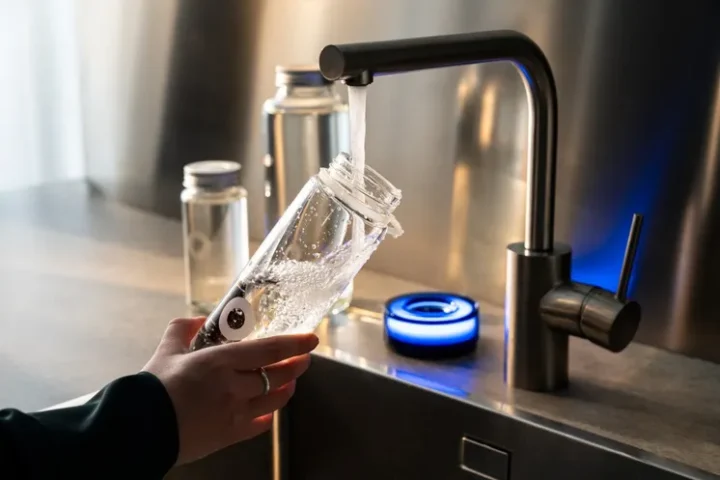
The benefits of filtration aren’t always dramatic. Sometimes the biggest difference is surprisingly simple: water tastes better. Coffee may taste cleaner. Ice cubes may have less odor. Cooking pasta or rice can feel like a small improvement, too.
For some households, improved water quality can also mean less buildup around faucets and fixtures. Depending on the source water, treatment may help reduce substances that contribute to staining, scale, or unpleasant odors.
There’s also a comfort factor. When people know their treatment system is appropriate for their water and maintained properly, they may feel more confident using their tap water for everyday activities.
Still, it’s important not to assume that every filtration system makes water completely safe. Different technologies target different substances, and no single filter is designed to remove everything.
Understanding What “Impurities” Really Means
The word “impurities” sounds straightforward, but it can refer to many different things. It might mean visible sediment, dissolved minerals, chlorine, certain metals, microorganisms, or other substances found through testing.
A sediment cartridge, for example, can capture physical particles but generally isn’t designed to remove dissolved contaminants. Activated carbon can help with certain chemicals and taste or odor issues. Reverse osmosis can reduce many dissolved substances, while ultraviolet treatment is used for specific microbial concerns.
This is why reduced impurities should be treated as a specific treatment goal rather than a vague promise. The right question isn’t simply whether a filter removes impurities. It’s which impurities it is certified or designed to address.
If testing identifies a particular contaminant, look for a treatment system specifically designed and certified for that contaminant. That small step can prevent a lot of wasted money.
Maintenance Makes a Bigger Difference Than People Expect
Buying a quality filter is only the beginning. Every filtration system needs some form of maintenance, and ignoring that part can affect performance.
Cartridges eventually become saturated or clogged. Sediment filters may collect dirt quickly in certain water conditions. Carbon cartridges have a limited treatment capacity. Reverse osmosis systems may need membrane and pre-filter replacement at recommended intervals.
Replacement schedules vary, so there isn’t one universal timeline. Water usage, incoming water quality, household size, and filter type all matter.
It’s also worth checking connections and looking for leaks from time to time. A small leak can turn into a much bigger headache if it’s ignored for months. Following the manufacturer’s maintenance instructions may not be exciting, but it’s one of those boring jobs that pays off.
Don’t Forget About Water Pressure and Flow
Another practical consideration is water flow. A filtration system can affect pressure, especially when filters become clogged or when the system is not properly sized for the household.
If several people regularly use water at the same time, system capacity becomes more important. A small filter might work perfectly for a couple living in an apartment but struggle in a larger family home.
Think about how much water you actually use rather than simply buying the largest system available. Bigger isn’t automatically better. Proper sizing can provide the treatment you need without creating unnecessary expense or maintenance.
Make the Decision Based on Testing
It can be tempting to buy a filtration system because a neighbor recommended it or because an online advertisement makes impressive claims. But your water may not have the same problems.
Testing gives you something concrete to work with. Once you know what’s present, you can compare technologies based on their actual purpose, installation requirements, maintenance needs, and long-term cost.
If the results are complicated, professional guidance can also help. A reputable water-treatment specialist should be willing to explain what the test means and why a particular technology is being recommended.
Better Water Starts With the Right Information
Improving household water quality doesn’t have to be a guessing game. Start by understanding your water, identify the specific concerns, and then choose treatment based on evidence rather than marketing promises.
The right system can make drinking water more enjoyable, reduce nuisance problems around the home, and provide a more consistent source of treated water for everyday needs. But the equipment only works as well as its design, installation, and maintenance allow.
In the end, good water treatment is less about buying the most advanced system and more about finding the one that actually fits your home. Test first, choose carefully, maintain it regularly, and you’ll be in a much better position to enjoy better water day after day.