Water is one of those things we use constantly without really thinking about it. We drink it, cook with it, shower in it, wash our clothes with it, and send it through appliances every single day. When the water looks clear and tastes normal, it’s easy to assume everything is fine.
Then the shower glass develops white spots. The kitchen faucet gets covered in scale. Your soap doesn’t seem to rinse properly. Maybe there’s a strange taste that wasn’t there before.
None of these things should automatically cause alarm, but they are good reasons to pay closer attention to your home’s water.
Water quality isn’t the same in every household, either. The source, plumbing, local conditions, and treatment already being used can all make a difference. That’s why choosing a solution based on actual needs is usually much smarter than buying whatever system happens to be popular.
Start by Understanding Your Water
Before deciding what equipment to install, find out what’s actually in the water.
Hardness is a common concern. Calcium and magnesium can create mineral deposits on fixtures, leave spots on glass, and contribute to scale inside plumbing and appliances. Some households also deal with iron, sediment, unpleasant odors, or other water-quality concerns.
Testing can provide useful information about these issues.
It’s tempting to skip this step because water treatment equipment can look straightforward from the outside. But different systems solve different problems. A softener isn’t designed to handle every contaminant, and a filter that improves taste may not address hardness.
In other words, start with the problem—not the product.
When Hard Water Becomes a Daily Nuisance
Hard water isn’t usually dramatic. That’s partly why homeowners sometimes put up with it for years.
The effects tend to appear slowly. Faucets develop chalky deposits. Showerheads become clogged with mineral buildup. Glass doors need constant cleaning. Laundry may feel stiff, and soap can behave differently than it does with softer water.
For homes with significant hardness, water softeners can reduce calcium and magnesium through an ion-exchange process, helping minimize scale and making everyday cleaning easier.
The right size and configuration matter, though. A system that’s too small may struggle to keep up with household demand, while an oversized unit can add unnecessary cost.
Testing water hardness and considering household usage are good places to begin.
There Isn’t One Perfect Water Treatment System
The phrase “water treatment” covers a surprisingly wide range of equipment.
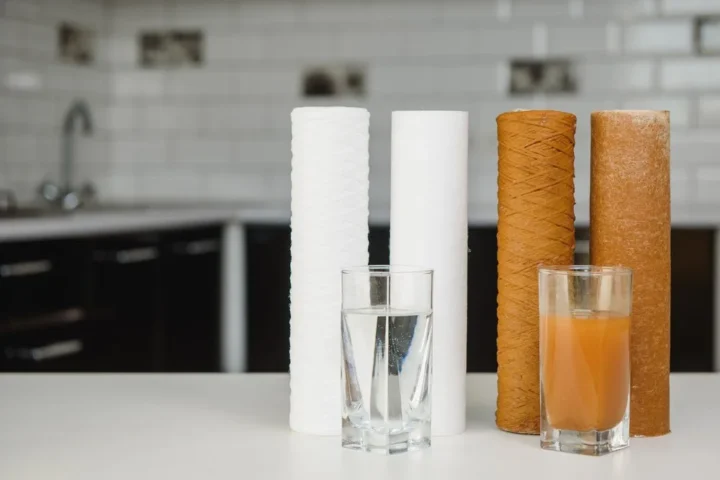
Depending on the problem, a home might use sediment filtration, carbon filtration, reverse osmosis, ultraviolet treatment, softening, or a combination of technologies.
That’s why comparing water treatment options should involve more than looking at prices or reading a few product reviews online.
Think about what you want to accomplish.
Are you trying to reduce scale? Improve taste? Address sediment? Treat a specific contaminant? Protect appliances? Provide better drinking water at one faucet or improve water throughout the house?
The answer determines which technology makes sense.
A system designed for the wrong problem can be expensive without being particularly useful.
Whole-House and Drinking-Water Systems Serve Different Purposes
Some homeowners want treatment for every water fixture in the house.
Others mainly care about the water they drink and cook with.
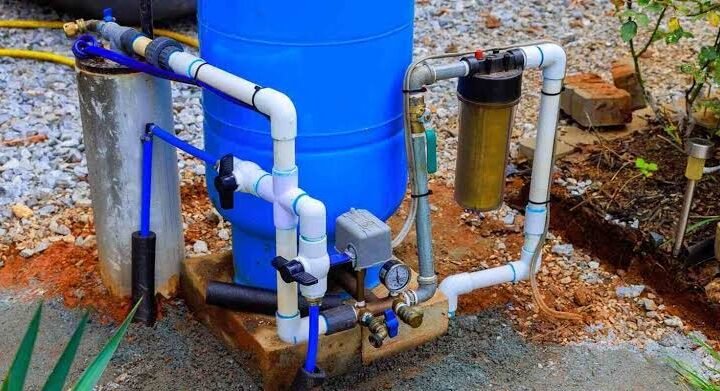
A whole-house system treats water as it enters the property or at another central point, while point-of-use systems focus on specific fixtures, such as a kitchen faucet.
Neither approach is automatically better.
Whole-house treatment can make sense when the concern affects bathing, laundry, appliances, and other uses. A point-of-use system may be more practical when the primary concern is drinking water.
Sometimes a combination is appropriate.
The key is matching the equipment to the way the household actually uses water.
Don’t Forget About Your Appliances
Water quality affects more than faucets and shower doors.
Dishwashers, washing machines, coffee makers, ice makers, and water heaters all interact with the water supply. Mineral buildup can affect equipment over time, especially when water hardness is significant.
This doesn’t mean every appliance needs a special treatment system.
It simply means water quality should be considered when thinking about appliance maintenance and lifespan.
If you’ve noticed scale building up repeatedly inside appliances, testing the water may help explain why.
Maintenance Is Part of the Deal
Installing treatment equipment isn’t the end of the process.
Filters need to be replaced. Components may need inspection. Some systems require periodic cleaning, sanitation, regeneration, or adjustments.
Skipping maintenance can reduce performance and may eventually cause the equipment itself to become a source of problems.
It’s worth keeping track of filter-change dates and following the manufacturer’s recommendations.
If you aren’t sure what maintenance your system requires, ask the installer or a qualified water-treatment professional. A few minutes of guidance can prevent months of poor performance.
Better Water Doesn’t Have to Mean More Equipment
There’s a tendency in home improvement to assume that more technology equals better results.
That’s not always true.
Adding multiple treatment stages without understanding the water can increase cost, maintenance, and complexity without solving a meaningful problem.
A simple system that addresses the actual issue may be far more useful than an elaborate setup that does a little bit of everything.
This is another reason testing is so valuable.
Know what you’re treating before deciding how much equipment you need.
Taste and Appearance Can Tell You Something—but Not Everything
Your senses are useful clues.
You may notice a metallic taste, chlorine-like smell, cloudiness, or visible particles. Those observations are worth mentioning when evaluating water quality.
But appearance and taste alone can’t tell you everything about what’s in the water.
Water can look perfectly clear and still contain substances that aren’t obvious to the eye. Conversely, some harmless minerals can affect taste or appearance without indicating a serious health concern.
Testing provides a much more reliable starting point.
Safe Water Requires the Right Approach
For drinking and cooking, water quality deserves particular attention.
The goal isn’t simply to make water look cleaner. You want treatment that is appropriate for the specific conditions of the supply and maintained properly over time.
A good treatment strategy can help keep household water water safe and healthy when the system is correctly selected, installed, and maintained for the contaminants or characteristics being addressed.
If you’re concerned about a particular substance, use reliable testing and consult qualified professionals rather than assuming a general-purpose filter will solve it.
Consider the Source
Municipal water and private well water can present different considerations.
Municipal supplies are generally treated before reaching homes, but water quality can still vary based on local conditions and the plumbing it travels through.
Private wells require homeowners to take an active role in testing and understanding their water quality.
In either case, the source matters.
So does the age and condition of the home’s plumbing. Sometimes the water-quality concern isn’t coming from the supply itself but from what happens between the source and the faucet.
Don’t Forget the Human Side of Water
There’s also a simple quality-of-life factor that’s easy to overlook.
When water works well, everyday tasks become easier. Soap rinses normally. Fixtures stay cleaner. Clothes feel better after washing. Drinking water tastes pleasant. Appliances aren’t constantly fighting mineral buildup.
Those small improvements add up.
Good water treatment isn’t necessarily about creating “perfect” water. It’s about making the water appropriate for the needs of the home and the people living there.
A Thoughtful Approach Usually Wins
Choosing water treatment equipment shouldn’t feel like a race.
Start by identifying the problem. Test the water when appropriate. Consider whether the concern affects the entire home or only drinking water. Think about household size, water usage, maintenance requirements, and long-term costs.
Then choose technology that fits.
You may discover that you need less equipment than expected. Or you may find that a more comprehensive system is justified.
Either way, you’ll be making the decision based on information rather than guesswork.
And that’s really the best place to start.
Water is too important to treat as an afterthought. A little testing, a little planning, and the right equipment can make a noticeable difference—not just in how your water tastes or looks, but in how comfortably your home works every day.