A roof over a business doesn’t get much attention when everything is working properly. That’s usually a good thing. Employees come in, customers arrive, deliveries happen, and nobody spends their morning wondering whether the roof will keep the building dry.
Then a leak appears.
Maybe it’s a small stain in the ceiling. Maybe water starts collecting near equipment after a storm. Or perhaps the roof has simply reached an age where the maintenance team knows a bigger decision is coming. Whatever the reason, commercial roofing requires a different kind of thinking than an ordinary home repair.
A business has schedules, inventory, employees, customers, equipment, and budgets to consider. Roofing work needs to protect the building without unnecessarily disrupting everything happening inside it.
That’s why choosing a contractor isn’t simply about finding someone who can put a roof on a building. It’s about finding someone who understands how the roof fits into the business itself.
Start by Understanding the Building
Before calling contractors, take a little time to understand what you’re dealing with.
How old is the existing roof? Has it been repaired before? Are there recurring leaks? Have previous inspections identified drainage or structural concerns?
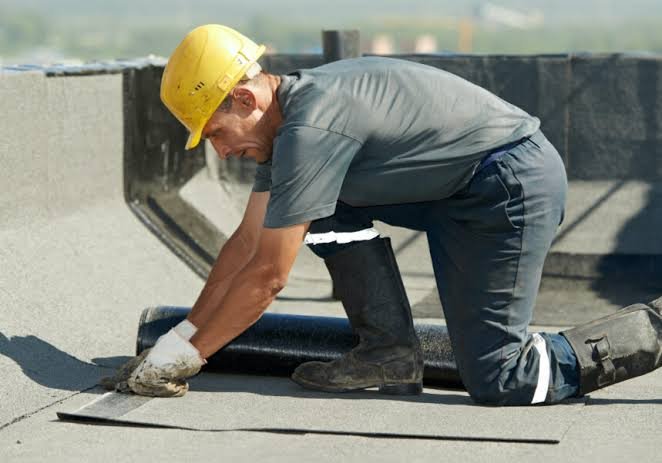
Commercial buildings can have very different roofing systems depending on their design and use. Flat and low-slope roofs, for example, may use membranes or other systems that require specialized installation and maintenance.
The more information you can provide, the easier it becomes for a contractor to evaluate the property accurately.
Look for Experience That Matches the Job
Not every roofing contractor is equally experienced with commercial buildings.
A contractor who primarily works on residential homes may not have the equipment, knowledge, or crew structure needed for a large commercial property.
When comparing commercial roofing services, ask about experience with buildings similar to yours. A warehouse, retail center, office building, and industrial facility can all have different roofing requirements.
Ask about previous projects, common roof systems they work with, and whether they understand the specific challenges associated with your type of property.
Experience isn’t everything, but it certainly helps when unexpected problems appear.
Don’t Wait for a Major Leak
A visible leak often gets attention because it can’t be ignored. But roofing problems can exist long before water reaches the interior.
Cracked membranes, deteriorated flashing, ponding water, damaged seams, blocked drains, and other issues can gradually reduce the roof’s ability to protect the building.
Regular inspections can identify these problems earlier.
If maintenance staff notice recurring moisture, unusual odors, ceiling stains, or standing water after rainfall, arrange an inspection rather than assuming the problem will disappear.
A roof doesn’t necessarily announce trouble loudly. Sometimes it whispers first.
Installation Quality Matters
Even the best roofing material can perform poorly when it’s installed incorrectly.
During installation, details such as surface preparation, seams, flashing, drainage, fasteners, penetrations, and edge conditions all matter.
Ask potential contractors how they prepare the existing roof and how they handle transitions around HVAC equipment, vents, skylights, and other rooftop structures.
A good contractor should be able to explain the process in plain language.
You don’t need a technical lecture. You simply need enough information to understand why the proposed method is appropriate for your building.
Think About Drainage
Water is one of the biggest enemies of a commercial roof.
Flat and low-slope systems depend heavily on effective drainage. Drains, scuppers, gutters, and slopes need to work together so water doesn’t remain on the roof for extended periods.
Ponding water deserves attention.
If you repeatedly see large areas of standing water after rain, ask a professional to determine why it’s happening. The cause might involve drainage design, blocked drains, settlement, or another issue.
Fixing the symptom without understanding the cause can lead to recurring problems.
Repairs Should Address the Cause
When a commercial roof develops a leak, the fastest solution isn’t always the best solution.
A patch may stop water temporarily, but if the underlying problem involves damaged flashing, failed seams, drainage issues, or widespread deterioration, the leak may return.
Professional repair should focus on restoring the affected area and addressing the reason the problem occurred.
Ask the contractor to document the damaged area where practical. Photographs can make it easier for building owners and managers to understand what they’re paying to fix.
Know When Replacement Makes More Sense
There comes a point when repeated repairs stop being economical.
If a roof has widespread deterioration, persistent leaks, structural concerns, or is approaching the end of its expected service life, replacement may provide better long-term value.
That doesn’t mean every old roof needs to be replaced immediately.
Ask for an assessment of its remaining service life and the likely cost of continued repairs. A contractor should be able to explain the reasoning behind a replacement recommendation.
If the numbers aren’t clear, getting another opinion can be sensible.
Consider Business Operations During the Work
Commercial roofing projects can affect daily operations.
There may be noise, equipment on-site, restricted parking, material deliveries, and temporary access limitations.
Before work begins, discuss how the contractor plans to manage these issues.
If your business has customer-facing areas, ask how entrances and walkways will be protected. If employees need access to certain parts of the building, make sure everyone understands any temporary restrictions.
Good scheduling can reduce disruption considerably.
Sometimes roofing work can be completed in phases, allowing a business to continue operating while different areas are addressed.
Safety Should Never Be an Afterthought
Commercial roofs often contain HVAC units, electrical equipment, vents, skylights, and other hazards.
Roofing crews need appropriate safety procedures and equipment for the site.
Ask contractors about their safety practices and confirm that required insurance and licensing are in place.
A contractor who treats safety seriously is protecting more than the workers. They’re also protecting your employees, customers, property, and business.
Read the Estimate Carefully
A commercial roofing estimate should explain what you’re actually purchasing.
Look for information about materials, labor, removal of existing roofing, disposal, preparation, flashing, insulation where applicable, cleanup, warranties, and potential additional costs.
Don’t compare estimates based solely on the final number.
One contractor may offer a lower price because the scope is narrower. Another may include more preparation or higher-quality materials.
When comparing proposals, put them side by side and identify the differences.
It’s much easier to make a smart decision when you’re comparing similar scopes of work.
Ask About Maintenance After the Project
A completed roof still needs attention.
Regular inspections and maintenance can help identify minor issues before they become expensive failures. Keeping drains clear, checking flashing, monitoring seams, and addressing storm damage promptly can all contribute to longer roof performance.
Ask whether the contractor offers maintenance programs or inspection services.
Even if you choose another company for ongoing maintenance, having a clear maintenance plan is better than simply hoping the roof takes care of itself.
Warranties Deserve a Close Look
Commercial roofing warranties can vary considerably.
Some cover materials, while others cover workmanship or specific system components. Conditions may apply, including approved installation methods and maintenance requirements.
Read the warranty rather than assuming you know what it covers.
Ask what could invalidate coverage and who is responsible if a warranty claim becomes necessary.
Keep project documentation, invoices, inspection reports, and warranty paperwork organized. It may feel unnecessary now, but you’ll appreciate having everything in one place later.
Choose Communication as Much as Craftsmanship
A roofing contractor can be technically skilled and still be difficult to work with.
For a commercial property, communication matters.
You want someone who answers questions, explains unexpected changes, provides updates, and respects your operating schedule.
Before signing, establish who your main point of contact will be and how progress updates will be handled.
It sounds simple, but good communication can make a complicated project feel much more manageable.
The Right Roof Supports the Business Beneath It
Commercial roofing isn’t just another building expense. It’s part of protecting the place where your business operates every day.
A reliable roof helps keep employees comfortable, inventory protected, equipment dry, and customers safe.
The smartest approach is to think beyond the immediate problem. Understand the existing roof, choose a contractor with relevant experience, compare detailed proposals, plan around business operations, and keep maintenance in the picture after the work is complete.
You may never think about your roof when everything is going right. That’s actually the goal.
Good commercial roofing quietly does its job in the background, through ordinary rainy days and the occasional rough storm, while the business underneath keeps moving forward.