Water is part of nearly every routine, from making the first cup of tea in the morning to washing dishes after dinner. Because it is so familiar, we rarely stop to consider its quality unless something changes. Perhaps the water tastes a little strange, white marks keep appearing on bathroom taps, or a water heater seems to need attention more often than it should. These small signs can raise important questions about what’s coming through the pipes.
The challenge is knowing where to begin. Water treatment can seem technical, especially when different filters, softeners, and purification systems all promise different benefits. Fortunately, understanding a few basic principles makes the subject much less confusing. You don’t need to become a water-quality expert overnight. You simply need reliable information, sensible testing, and a solution that fits your circumstances.
Why Water Quality Deserves More Attention
Water quality varies depending on its source, local geology, distribution system, and plumbing. Municipal water supplies are generally treated and monitored, but their mineral content and taste can still vary. Private wells, meanwhile, may be affected by surrounding soil, agricultural activity, groundwater conditions, or changes in the local environment.
Some problems are easy to notice. Hard water can leave scale on showerheads and kettles, while iron may create reddish stains around sinks and laundry fixtures. Sediment can make water appear cloudy, and certain dissolved compounds may affect its smell or flavor.
Other concerns aren’t visible at all. That’s why appearance alone isn’t a dependable measure of safety. Testing helps identify the characteristics of the water and determines whether treatment is necessary. For private wells, testing schedules should reflect local recommendations and potential risks. If contamination is suspected, use an appropriate laboratory and follow public-health guidance rather than relying on a household filter without knowing what needs to be removed.
Start With the Questions That Matter Most
When people begin researching water treatment, they often focus immediately on equipment. It makes sense—filters are tangible, product descriptions are easy to compare, and the options can look impressive. But choosing a system before identifying the problem can lead to unnecessary costs or disappointing results.
Start with a few practical questions. Is the main concern drinking water, mineral buildup, unusual taste, or the quality of water throughout the property? Does the building rely on a municipal supply or a private well? How many people use the water, and are there particular appliances or business processes that require special attention?
These general questions help narrow the choices considerably. For instance, a household that mainly wants to improve the taste of drinking water may need a different system from a property experiencing widespread hardness. A commercial kitchen with high daily water consumption has different requirements again.
It also helps to consider what the system will cost over time. Replacement cartridges, electricity, salt, servicing, and wastewater can all affect the overall expense. The cheapest option at purchase may not be the most economical one over several years.
Understanding the Main Types of Treatment
Water treatment isn’t one single process. Different technologies address different issues, and knowing their basic purposes can make product comparisons much easier.
Sediment filters capture suspended particles such as sand, dirt, and rust. They’re often used as a preliminary stage to protect other equipment. Activated carbon filters can reduce certain substances responsible for unpleasant tastes and odors, including chlorine under suitable operating conditions.
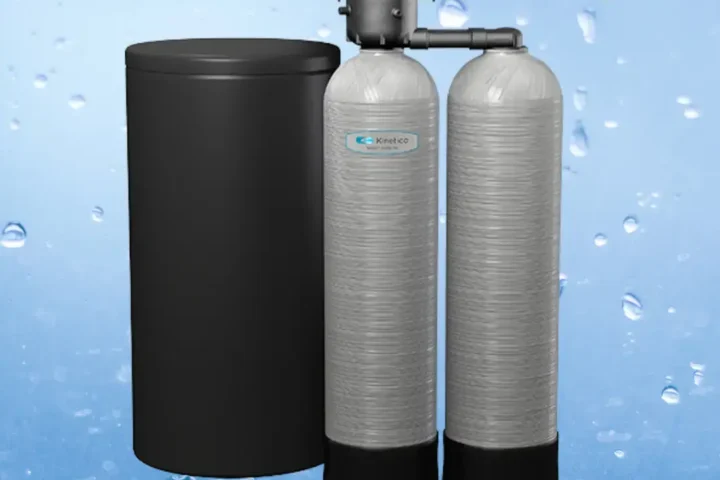
Water softeners address hardness caused mainly by calcium and magnesium. They commonly use ion exchange to reduce these minerals, helping limit scale formation in plumbing and appliances. However, a softener isn’t a universal purifier and won’t remove every contaminant.
Reverse osmosis systems use a semipermeable membrane to reduce many dissolved substances. Their effectiveness depends on the specific system, membrane condition, water pressure, and incoming water chemistry. Some applications may also require additional pretreatment or post-treatment.
Disinfection methods, including ultraviolet treatment, can help control microorganisms when properly selected and maintained. UV systems do not remove dissolved minerals or chemical contaminants, so they shouldn’t be mistaken for complete treatment on their own.
The important point is that each technology has a purpose. Good system design begins with the water itself, not with a product advertisement.
Finding a Solution That Fits Your Home or Business
Once the water has been assessed, the next step is matching the findings to the property’s actual needs. A small household may benefit from a compact point-of-use filter, while a larger home could require treatment at the point where water enters the building.
Businesses must also consider flow rates and peak demand. A restaurant, hotel, workshop, or office may use far more water during certain hours than others. Equipment that performs adequately at low demand may struggle when multiple taps or appliances operate simultaneously.
Well-planned water treatment solutions take these differences into account. They consider water quality, consumption, pressure, available space, installation requirements, and ongoing operating costs. Rather than adding every available treatment stage, a qualified provider should explain why each component is needed and what result it is expected to deliver.
There’s another practical consideration: future maintenance. Filters need replacing, membranes may require servicing, and some systems need periodic cleaning or testing. Equipment should be accessible enough that routine care doesn’t become a chore nobody wants to tackle.
Frequently Asked Questions About Water Treatment
People often have similar concerns when exploring their options. Reviewing frequently asked questions can provide a useful starting point, although specific recommendations should always reflect individual water conditions.
Does clear water mean it’s safe to drink?
Not necessarily. Many dissolved contaminants and microorganisms can’t be detected by sight, smell, or taste. Appropriate testing is more reliable than appearance alone.
Will one filter solve every water problem?
Usually not. Filters are designed for particular purposes, and no single household device should be assumed to remove every possible contaminant. Review the product’s certified performance claims and match them to your test results.
How often should filters be replaced?
It depends on the equipment, the manufacturer’s instructions, incoming water quality, and usage. Some cartridges need replacement after a specified period or volume of water. Ignoring maintenance can reduce performance.
Is softened water the same as purified water?
No. Softening primarily reduces hardness minerals. Purification and filtration methods target different substances, so the right choice depends on the desired outcome.
Should every property have a whole-house filtration system?
Not automatically. Some properties may benefit from treatment at a single drinking-water tap, while others need broader treatment. Testing and a clear understanding of the problem should guide the decision.
Why Professional Advice Can Make a Difference
Water treatment equipment may look straightforward, but the details matter. Incorrect sizing, poor installation, or unsuitable technology can limit performance. For example, a filter selected without considering sediment levels may clog too quickly, while a system installed without adequate pressure may not operate as expected.
A knowledgeable professional can review test results, explain the available options, and identify any additional testing that may be necessary. Ask for specific information about contaminant reduction, expected flow rate, replacement intervals, and total ownership costs. Independent certification, where applicable, can also help verify a system’s stated performance.
Be cautious of anyone promising that one device will fix every concern without first examining the water. Good advice should be clear, realistic, and supported by evidence.
Better Water Begins With Informed Choices
Water quality doesn’t have to be a mystery. A little research, suitable testing, and an honest assessment of household or business needs can turn a confusing decision into a manageable one.
The best approach isn’t necessarily the most expensive or technologically advanced. It’s the one that addresses the identified problem, performs reliably under everyday conditions, and can be maintained without unnecessary difficulty.
Take time to ask questions, compare options carefully, and understand what a proposed system can—and cannot—do. With that foundation in place, water treatment becomes less about chasing promises and more about making a practical investment in comfort, equipment protection, and confidence in the water you use every day.