Water is one of those things most people take for granted until something seems wrong. Perhaps the tap water tastes strange, white spots keep appearing on kitchen fixtures, or ice cubes have an unusual smell. Sometimes the problem is obvious. Other times, the water looks perfectly clear but still needs attention. Whatever the situation, understanding your water quality is the first step toward choosing a practical solution.
Every home and business has different water needs. The right approach depends on the source of the water, the minerals and contaminants present, and how the water will be used. Instead of investing in equipment based on guesswork, it makes more sense to identify the problem first and select a treatment system that addresses it.
Start by Understanding What’s in Your Water
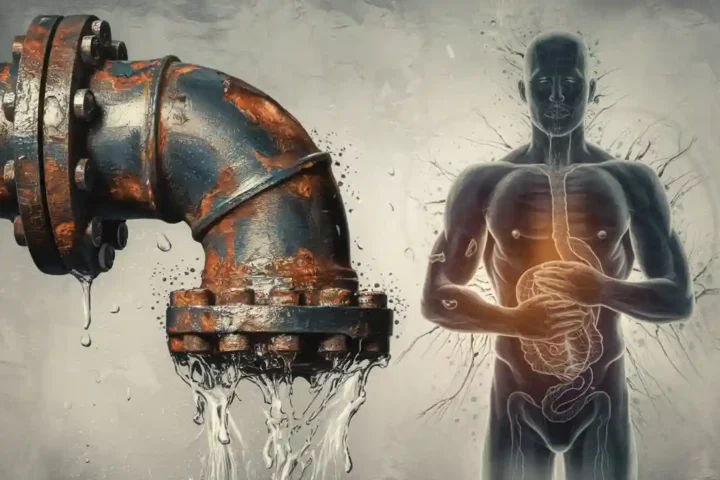
Water quality can vary considerably from one property to another, even within the same neighborhood. Groundwater may contain elevated levels of hardness minerals, iron, or naturally occurring substances. Municipal water is generally treated before distribution, but its mineral content, taste, and other characteristics can still differ depending on the source and local treatment process.
A simple water test can reveal useful information about these differences. Depending on the property and its water source, testing may examine hardness, pH, dissolved solids, iron, nitrate, or specific contaminants of concern. Private wells often require a more tailored testing schedule because their quality can change with weather, land use, and conditions around the well.
Testing is particularly important when water has a sudden change in color, taste, or smell. Although these changes don’t always indicate a serious hazard, they shouldn’t be ignored. If contamination is suspected, contact a qualified laboratory or local public health authority for appropriate testing and guidance.
Why Different Water Problems Need Different Solutions
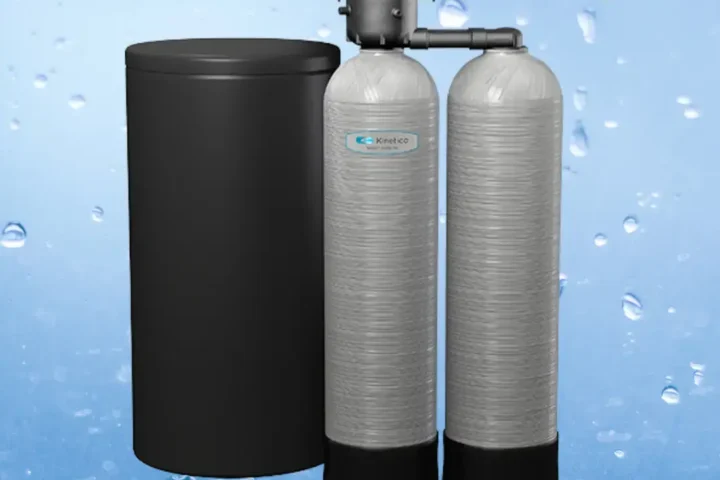
Not every water issue can be fixed with the same filter. Hard water, for example, contains minerals such as calcium and magnesium. These minerals can leave scale on faucets, reduce the efficiency of some water-using appliances, and make soap less effective. A water softener may help with hardness, but it won’t automatically remove every contaminant.
Unpleasant tastes and odors can have different causes. Chlorine used in municipal disinfection may affect taste, while other smells can point to plumbing issues or naturally occurring substances. Activated carbon filters can improve certain taste and odor problems, but their effectiveness depends on the filter design and the substance being targeted.
This is where professional guidance can be useful. A provider familiar with common water problems we solve should explain what testing shows, which treatment methods are appropriate, and what the proposed equipment can realistically accomplish. A trustworthy recommendation starts with evidence rather than a sales pitch.
Making Kitchen Water More Enjoyable
The kitchen is often the first place people notice water quality concerns. Water used for drinking, cooking, making coffee, and preparing ice should meet the household’s needs without unnecessary complications. If tap water has an unpleasant taste, a properly selected filtration system may make it more enjoyable to use every day.
A dedicated kitchen & ice filtration system can treat water supplied to a drinking-water faucet and, where the design supports it, the refrigerator’s ice maker. Depending on the model and certified performance claims, a system may reduce certain substances that affect taste, odor, or other measured aspects of water quality.
However, filtration systems aren’t interchangeable. One filter may be designed mainly for chlorine taste, while another may be certified to reduce particular contaminants. Reverse osmosis systems use a membrane and additional treatment stages to reduce a range of dissolved substances, although the exact performance depends on the unit and the water entering it.
Before choosing a system, consider how much filtered water your household uses, whether the refrigerator connection is compatible, and how easily replacement cartridges can be obtained. A compact unit with straightforward maintenance may be more useful than a complicated system that gets neglected after installation.
What Deionization and Sanitization Actually Do
Some water applications require more specialized treatment than ordinary household filtration. Laboratories, certain manufacturing processes, commercial equipment, and other technical operations may need water with very low concentrations of dissolved ions. In these settings, deionization & sanitization can be part of a broader water management strategy.
Deionization uses ion-exchange materials to remove charged dissolved substances from water. It can produce water with low ionic content, but it doesn’t necessarily remove every type of contaminant. For instance, many uncharged organic compounds and microorganisms require other treatment methods. The intended use of the water determines which additional steps may be necessary.
Sanitization serves a different purpose: it helps control microorganisms on equipment, surfaces, or within suitable water systems. The correct method depends on the system design, the water’s intended application, and applicable health or industry requirements. Ultraviolet treatment, chemical sanitizers, and other approaches have different strengths and limitations.
Combining these methods without understanding their roles can create a false sense of security. Deionized water isn’t automatically sterile, and sanitization alone doesn’t remove dissolved minerals. Specialized systems should therefore be designed around measurable performance requirements, with appropriate monitoring and maintenance.
Choosing Equipment That Fits Your Property
A good water treatment system should solve a defined problem without making daily life harder. For some households, that may mean a point-of-use filter at the kitchen sink. Others may benefit from a whole-home system that treats water entering the property. Homes with private wells may need several treatment stages, depending on laboratory results.
Commercial properties have their own considerations. Restaurants, offices, hospitality businesses, and production facilities may use water differently from a typical household. Equipment capacity, water flow, operating hours, and local requirements can all affect the choice of system. A filter that works well in a small home may not deliver enough treated water for a busy commercial kitchen.
Ask providers to explain the system’s expected performance, installation requirements, operating costs, and maintenance schedule. Find out how often cartridges, membranes, or other components need replacement and whether the system has indicators to show when service is due. It’s also sensible to ask for documentation supporting any contaminant-reduction claims.
The cheapest unit isn’t necessarily the most economical choice over time. Replacement parts, water waste, energy use, and service visits can influence the overall cost. On the other hand, buying more treatment capacity than you need can add expense without providing a meaningful benefit.
Maintenance Is Part of Water Quality
Even a well-designed system needs attention. Filters become less effective as they reach their rated capacity, and neglected equipment may perform differently from what the manufacturer intended. Some systems also require periodic cleaning, sanitization, membrane checks, or professional servicing.
Follow the manufacturer’s instructions and keep a record of filter changes and service visits. If water quality changes noticeably after installation, investigate the cause instead of assuming the treatment system is working as expected. In some cases, retesting may be appropriate to confirm that the equipment is delivering the intended result.
It’s equally important to maintain the plumbing around the system. Leaks, stagnant water, damaged connections, and poorly maintained storage tanks can introduce problems that filtration alone won’t solve.
Make an Informed Decision About Your Water
Better water doesn’t always require a large investment or a complicated installation. Often, the most effective starting point is a clear understanding of what’s coming out of the tap and what you want the water to do.
Begin with testing, compare treatment options that address the identified issues, and choose equipment with credible performance information and manageable maintenance needs. For specialized or potentially hazardous water concerns, rely on qualified professionals and appropriate laboratory results rather than appearance or taste alone.
Water quality affects everyday routines in quiet but important ways. With the right information and a treatment system selected for a genuine need, you can make a more confident decision for your home or business—and avoid paying for solutions that don’t fit.