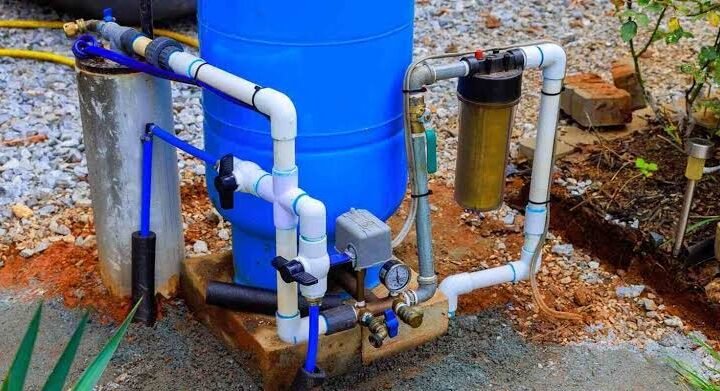
Water treatment equipment tends to have a funny way of becoming invisible. After installation, you stop thinking about the tank in the utility room or the filter beneath the sink. It simply becomes part of the house.
That is, until something changes.
Maybe the water doesn’t taste quite the same anymore. Perhaps the softener seems to regenerate more often, pressure has dropped, or you’re spending more time fixing little problems. Sometimes the equipment still works, but it feels like you’re constantly maintaining something that should be running quietly in the background.
That raises an important question: when should you repair an older system, and when does replacement make more sense?
There isn’t one answer for every home. The age of the equipment matters, but so do maintenance costs, water conditions, efficiency, and whether the technology still fits your needs.
Age Isn’t the Only Thing That Matters
An older system isn’t automatically a bad system.
Some well-built treatment equipment can continue operating reliably for many years when it has been properly maintained. Meanwhile, a relatively newer system can develop problems if it was poorly installed, incorrectly sized, or neglected.
Instead of looking only at the installation date, consider how the system is performing today.
Is it treating the water effectively? Are replacement parts still available? Has maintenance become more frequent? Is the equipment consuming more salt, water, or electricity than expected?
Those questions tell you more than age alone.
Look at Changes in Water Quality
One of the clearest signs that something deserves attention is a change in the water itself.
If hardness seems to have returned, mineral deposits are appearing again, or unpleasant taste and odor have become noticeable, don’t immediately assume the entire system needs replacement.
The problem could be something simpler.
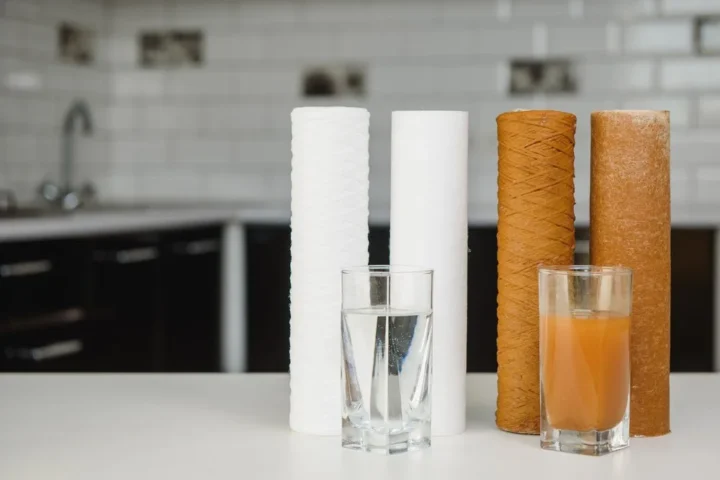
A filter may be exhausted. A valve could be malfunctioning. Settings may have changed. Incoming water conditions might also be different from when the system was installed.
A water test can help separate these possibilities.
Testing is especially useful before making a major purchase because it tells you whether your current treatment approach is still appropriate.
Repair or Replace?
This is where the numbers become important.
If a relatively inexpensive component fails, repairing the system may be the obvious choice. But if several major parts are aging at the same time, repeated repairs can start adding up.
Imagine spending money on a control valve this month, replacing another component six months later, and then discovering that the tank itself is nearing the end of its service life.
At some point, continued repairs stop being economical.
A professional assessment can help determine whether the problem is isolated or part of a larger pattern.
When an Upgrade Makes Sense
Sometimes the equipment isn’t technically broken. It’s simply outdated.
Water treatment technology continues to evolve, and newer systems may offer better controls, improved efficiency, smarter regeneration, or easier maintenance.
If your existing equipment is consuming excessive amounts of salt or water, replacing it may provide benefits beyond simply getting the system working again.
For homeowners dealing with aging equipment, choosing to upgrade your water treatment system can be an opportunity to rethink the entire setup rather than replacing an old component with another version of the same thing.
But don’t upgrade just because something newer exists. The new equipment should solve a real problem or provide meaningful value.
Efficiency Can Add Up
Operating costs are easy to overlook because they don’t arrive as one large bill.
A system may use a little more salt during regeneration. It may send more water to waste during cleaning. Filters might need replacement more often than they should.
One small inefficiency doesn’t sound dramatic.
Over several years, though, it can become noticeable.
Newer equipment may be designed to operate more efficiently, depending on the technology and application. Proper sizing and programming can also make a major difference.
Before replacing anything, ask for an estimate of expected operating costs. That’s more useful than simply comparing purchase prices.
Trade-In Programs Can Change the Equation
Replacing a complete treatment system can feel like a significant expense, especially when your current equipment still technically works.
Some providers offer trade-in & upgrade programs that can reduce the cost or simplify the transition to newer equipment.
The exact terms vary, so read the details carefully. Find out whether removal is included, what equipment qualifies, and whether installation or additional components cost extra.
A trade-in can be worthwhile, but the real question remains the same: will the replacement provide enough long-term value to justify the investment?
Don’t Ignore Maintenance History
Think back to the last few years.
Have you maintained the system according to the manufacturer’s recommendations? Were filters changed on schedule? Has the resin or media been inspected? Have settings been adjusted as household water use changed?
Maintenance history can reveal a lot.
A system that has been consistently maintained may have plenty of useful life left. One that has been neglected may require more extensive attention even if it isn’t particularly old.
If you’re unsure what has been done, start keeping records now. Write down service dates, filter changes, repairs, and unusual symptoms.
It takes a few minutes and can make future decisions much easier.
Household Needs Can Change
The water treatment system you needed ten years ago may not be the system you need today.
Perhaps your household has grown. Maybe children have moved out. You renovated the home, added another bathroom, or changed the water source.
All of these things can affect water demand.
An undersized system may struggle during peak usage. An oversized system may cost more than necessary to operate.
When evaluating replacement equipment, consider your current household rather than simply buying a newer version of your old system.
New Technology Isn’t Automatically Better
There’s plenty of impressive-sounding technology in the water treatment industry.
Smart controls, sensors, automated monitoring, efficient regeneration, multi-stage treatment — these features can be useful. But they shouldn’t distract from the basics.
A system still needs to be properly selected, installed, and maintained.
A complicated system that isn’t suited to your water can perform worse than a simpler system designed correctly.
Ask what each feature actually does. If a feature doesn’t solve a problem you have, you may not need to pay for it.
Think About Long-Term Savings
The purchase price is only one part of the calculation.
Look at maintenance, consumables, electricity, water use, replacement parts, and expected service life.
A system that costs slightly more upfront may offer advanced efficiency and savings over time if it reduces unnecessary resource consumption and maintenance requirements.
Of course, efficiency claims should be backed by actual specifications rather than vague marketing language.
Ask for numbers where possible. How much salt is used per regeneration? How much water is discharged? What is the expected filter life?
The more specific the answers, the easier it is to compare options.
Get an Evaluation Before Making the Call
If you’re on the fence about replacement, don’t make the decision based on frustration alone.
Have the equipment inspected. Test the water. Review maintenance history. Ask what repairs are currently needed and what additional repairs may reasonably be expected.
Then compare the cost of keeping the old system with the cost and benefits of replacement.
Sometimes the answer will be “repair it.” That’s perfectly fine.
Other times, you’ll discover that you’ve been pouring money into an aging system simply because replacing it felt inconvenient.
Make the Decision Based on Your Actual Situation
Replacing water treatment equipment isn’t about chasing the newest product. It’s about getting dependable performance at a reasonable long-term cost.
If your current system still works well, replacement may not be necessary. If repairs are becoming frequent, efficiency is poor, replacement parts are difficult to find, or your water needs have changed significantly, an upgrade could make much more sense.
The best decision comes from looking at the whole picture.
Test the water. Check the equipment. Understand the operating costs. Ask honest questions about repair versus replacement.
Then choose the option that fits your home, your water, and your budget.
A good water treatment system should quietly do its job for years. When it starts demanding more attention than the water itself, that’s usually a sign worth listening to.