Water can be perfectly clear and still have a taste that makes you hesitate before taking a sip. Sometimes it’s a faint chemical flavor. Sometimes it’s an earthy smell after a glass has been sitting on the counter. Other times, the water itself may be safe but simply unpleasant enough that family members reach for bottled water instead.
This is where activated carbon filtration can make a noticeable difference. It’s one of the most widely used methods for improving household water, and for good reason. Carbon filters are relatively simple, versatile, and effective at reducing several common substances that affect taste and smell. Still, like any treatment method, they work best when homeowners understand their strengths and limitations.
What Is Activated Carbon Filtration?
Activated carbon water filtration uses specially processed carbon to capture certain impurities as water passes through it. The carbon is usually made from materials such as coconut shells, wood, or coal. It is treated to create a highly porous surface with a large area for contaminants to attach to.
This process is called adsorption. Unlike absorption, where a substance soaks into another material, adsorption happens when molecules stick to the surface of the carbon.
The enormous surface area inside activated carbon makes it useful for reducing chlorine, unpleasant tastes, odors, and certain organic compounds. Some carbon filters are also designed to reduce specific contaminants such as certain pesticides, solvents, and volatile organic compounds, although performance depends on the filter’s design and certification.
Why Carbon Filters Are Common in Homes
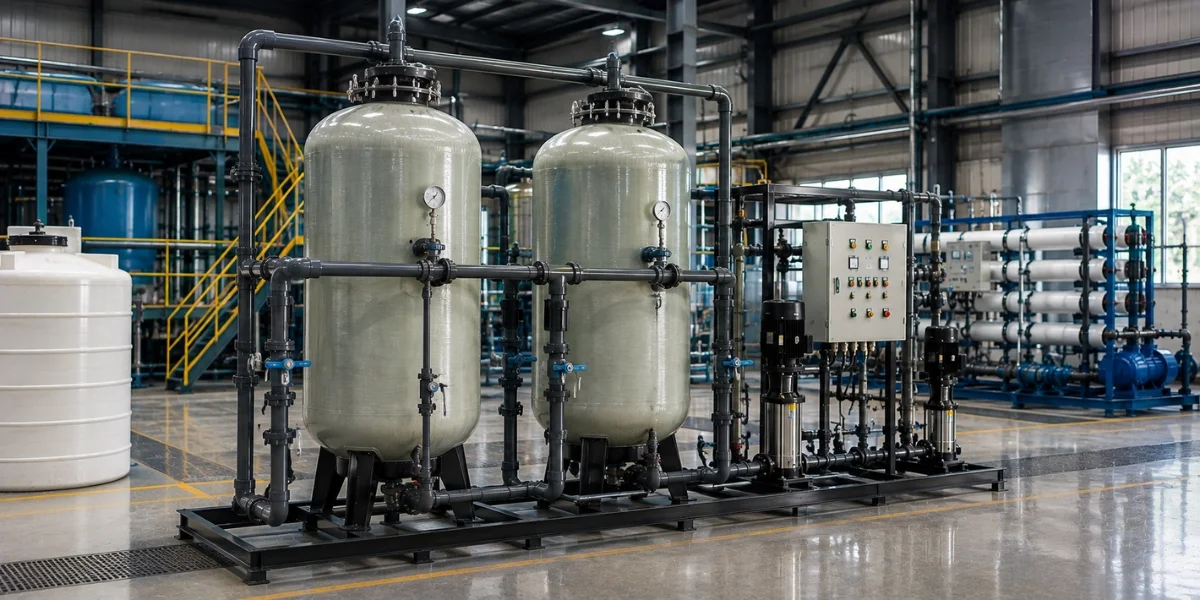
One reason carbon filtration is so popular is its flexibility. Carbon filters can be found in countertop pitchers, refrigerator filters, under-sink systems, whole-house units, and even commercial water-treatment equipment.
They also tend to be easy to use. Many household models do not require electricity, and installation can be relatively straightforward. For someone who wants better-tasting tap water without a complicated setup, a carbon filter may be a practical starting point.
Another advantage is that carbon filtration can improve water without stripping away every mineral. Unlike reverse osmosis, which reduces many dissolved solids, carbon filtration generally leaves most naturally occurring minerals in place. This can help water retain a familiar taste while reducing unwanted chemical flavors.
How Carbon Filters Reduce Chlorine
Municipal water suppliers often use chlorine as a disinfectant to control harmful microorganisms as water travels through the distribution system. This treatment is important for public health, but some people dislike the taste or smell it can leave behind.
Activated carbon can reduce chlorine through a combination of adsorption and chemical reactions at the carbon surface. As water passes through the filter, chlorine is reduced, often making the water taste fresher and less chemical.
The effectiveness depends on contact time, carbon quality, water flow, and the amount of chlorine present. If water moves too quickly through a small filter, the carbon may not have enough opportunity to work properly. This is one reason high-quality filters include flow-rate recommendations.
Improving Unpleasant Tastes and Odors
One of the most immediate benefits of carbon filtration is the reduction of unwanted odors. Water can sometimes smell like chlorine, damp soil, rotten eggs, or a swimming pool, depending on its source and the substances present.
Carbon filters are particularly useful for reducing many organic compounds responsible for taste and odor problems. In some cases, they can also help with certain sulfur-related smells, though not every carbon filter is designed for hydrogen sulfide or other specialized problems.
If the odor is strong, persistent, or suddenly appears, filtration should not be the first and only response. A sudden change may indicate plumbing issues, bacterial growth, well problems, or another underlying concern. Testing the water can help identify the source before choosing treatment.
Carbon Block vs. Granular Activated Carbon
Not all carbon filters are identical. Two common designs are granular activated carbon and carbon block.
Granular activated carbon filters contain loose carbon particles. Water flows through the bed, where contaminants can be adsorbed. These filters can be effective and are often used in pitchers and larger whole-house systems.
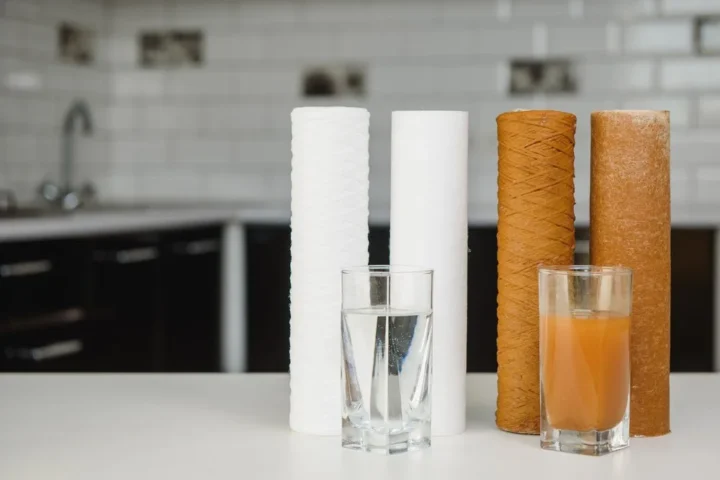
Carbon block filters use compressed carbon formed into a solid cartridge. They typically provide more consistent contact with the filtration media and may also offer better sediment reduction, depending on the design. However, they can restrict water flow more quickly if the incoming water contains a lot of sediment.
The best option depends on your water quality, flow needs, budget, and the contaminants you want to reduce. A carbon block filter is not automatically the right choice for every home.
What Activated Carbon Does Not Remove
Carbon filtration has clear benefits, but it is not a universal water-treatment solution. Standard carbon filters are not generally designed to remove high levels of dissolved salts, hardness minerals, nitrates, fluoride, or arsenic.
They may also have limited effectiveness against microorganisms unless the system includes another treatment stage specifically designed for disinfection. Carbon filters should not be assumed to make contaminated water microbiologically safe.
Some advanced carbon products are certified for reducing specific contaminants such as lead or certain PFAS compounds. However, certification must be checked carefully. A filter that reduces chlorine may not reduce lead, and a filter that improves taste may not address a chemical concern.
Always review the performance data and confirm that the product is tested for the particular substance you are worried about.
Whole-House or Point-of-Use Filtration?
Choosing between whole-house and point-of-use filtration depends on how you use water and where the problem occurs.
A point-of-use filter, such as an under-sink unit, treats water at one faucet. This is often a practical choice when the main goal is improving water used for drinking, cooking, tea, and coffee. It can also be more affordable because only a smaller amount of water is filtered.
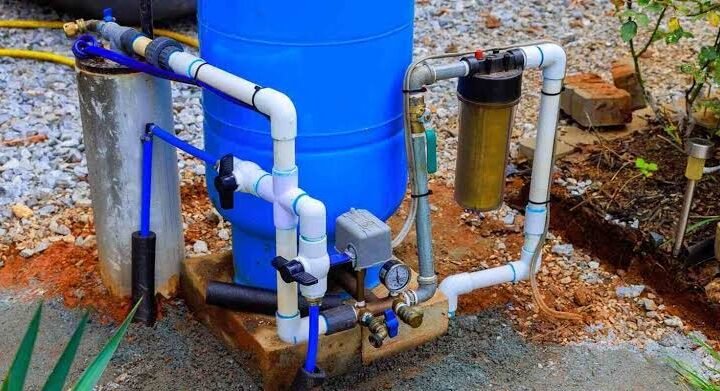
Whole-house carbon filtration treats water as it enters the property. This may help reduce chlorine throughout the home, including in showers, baths, laundry, and sinks. It can be useful when the concern affects the entire household, but installation and maintenance costs are usually higher.
A whole-house system also needs to be correctly sized. If the filter is too small for the home’s flow rate, water may pass through too quickly for effective treatment.
Filter Replacement and Maintenance
Activated carbon filters become less effective as their adsorption capacity is used up. Once the carbon is saturated, contaminants may pass through without being reduced properly.
Replacement schedules vary depending on the cartridge, water quality, household size, and daily usage. A filter used by a large family may need replacement sooner than one used occasionally by a single person.
Some filters include indicators that estimate when replacement is due. Others require homeowners to track time or water usage themselves. Don’t wait until the taste becomes unpleasant again. A filter can lose performance before the change is obvious.
It’s also important to follow installation instructions, wash reusable components when recommended, and avoid storing replacement cartridges in unsuitable conditions.
How to Choose a Reliable Carbon Filter
Start by identifying what you want the filter to accomplish. If the issue is chlorine taste, a certified carbon filter may be sufficient. If you are concerned about lead, PFAS, or another specific contaminant, look for a product tested and certified for that substance.
Check the filter’s capacity, flow rate, replacement cost, installation requirements, and certification information. Be cautious of products that use broad claims such as “removes all toxins” without providing clear performance details.
If your water comes from a private well or has a persistent odor, consider testing it before purchasing equipment. A filter should address an identified problem, not simply add another appliance beneath the sink.
A Simple Improvement with Real Benefits
Activated carbon filtration may not solve every water-quality concern, but it can make everyday tap water more enjoyable. By reducing chlorine, certain organic compounds, and unpleasant tastes and smells, it can turn ordinary water into something your household actually wants to drink.
The key is to choose the right filter, understand what it can and cannot remove, and replace it on schedule. With those basics in place, carbon filtration remains one of the simplest and most practical ways to improve the water experience at home.