Water has a strange way of becoming noticeable only when something isn’t quite right. You might see a faint film on a glass, smell something unusual when you turn on the tap, or notice that your showerhead seems to collect buildup far too quickly. Other times, there are no obvious warning signs at all, yet you still want to know more about the water your family is drinking and using every day.
That’s where a thoughtful water-treatment plan can make sense.
The goal isn’t necessarily to install every piece of equipment available. It’s to understand the water, identify what needs attention, and choose treatment that fits the home. Sometimes that means addressing hardness throughout the plumbing. Sometimes it means focusing on drinking water at the kitchen sink. In more complicated situations, several technologies may work together.
The right approach begins with knowing what you’re trying to solve.
Start With a Water Test
Before choosing equipment, test the water.
It sounds simple, but it’s one of the easiest steps to skip. Homeowners often buy treatment systems based on a neighbor’s recommendation or a general concern about local water quality. While personal experiences can be useful, they’re not a substitute for information about your own water.
Testing can help identify hardness, sediment, pH, dissolved substances, and other characteristics that may influence treatment.
For private wells, testing can be particularly important because water conditions can vary over time. Municipal water supplies are treated, but that doesn’t mean every home has identical water characteristics once plumbing, storage, and other factors enter the picture.
A test gives you something solid to work with.
Treat the Whole House When the Problem Is Whole-House
If the concern affects showers, laundry, appliances, faucets, and other fixtures, point-of-use treatment may not be enough.
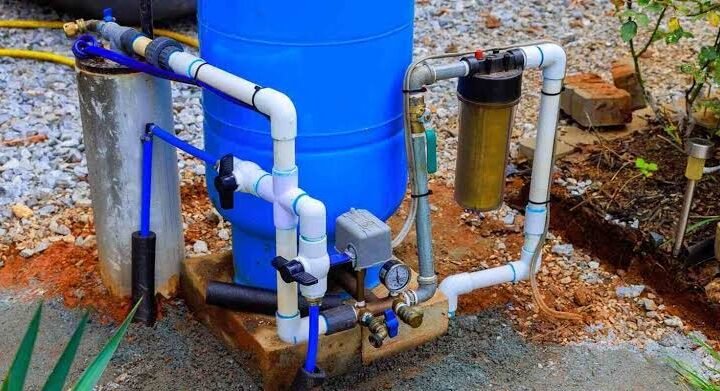
A whole home water filtration system can be designed to treat water as it enters the property or at another strategic point in the plumbing. The exact equipment depends on what the water test reveals.
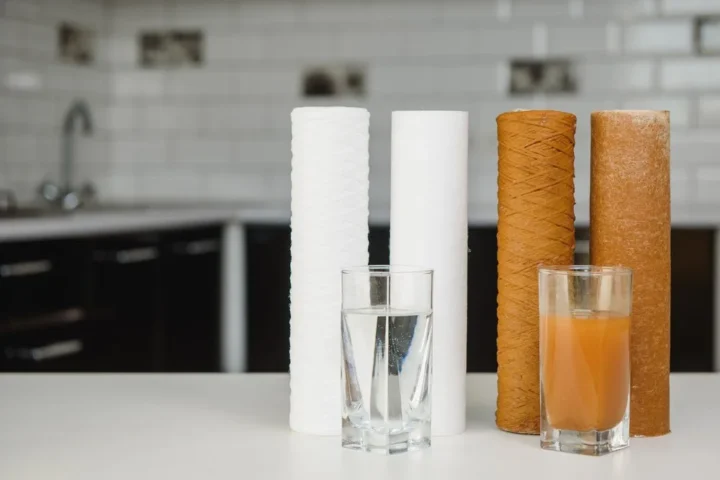
For example, sediment filtration may be useful when particles are present. Carbon-based filtration can address certain tastes and odors. A softener can reduce hardness minerals. Other specialty media may target specific water-quality characteristics.
The important word here is “designed.”
Whole-home filtration shouldn’t mean installing a generic collection of filters and hoping for the best. Each component should have a clear purpose.
Drinking Water Has Different Priorities
Water used for showering and laundry doesn’t necessarily require the same treatment as water you’re drinking.
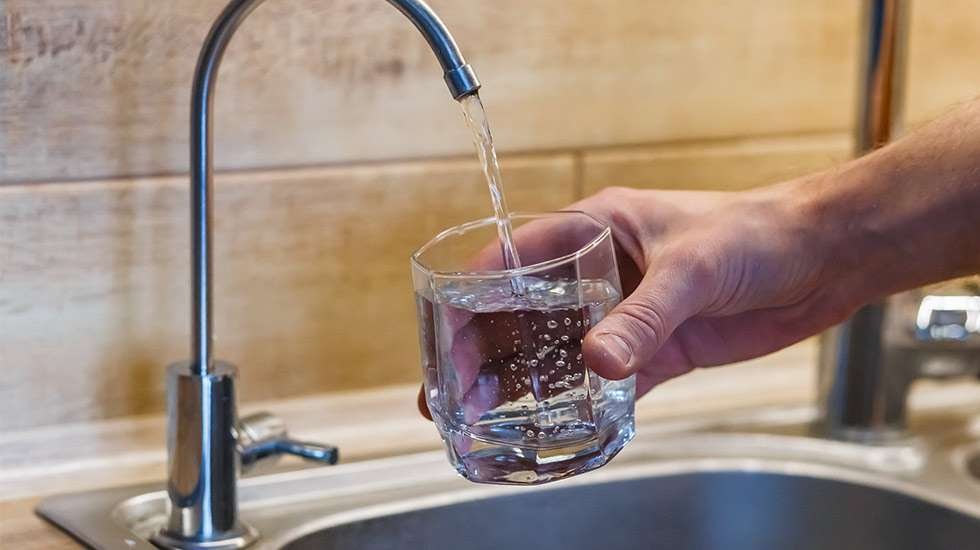
That’s why many households use dedicated drinking water systems at the kitchen sink. Point-of-use treatment allows homeowners to focus advanced filtration where it matters most for consumption and cooking.
Reverse osmosis is one common example. It uses a semipermeable membrane to reduce many dissolved substances. Depending on the system, additional prefilters and post-filters may be used to protect the membrane and improve the final taste.
Other households may need only carbon filtration or another simpler option.
Again, testing should guide the decision.
Don’t Confuse Filtration With Softening
Water softeners and filters are often discussed together, but they don’t necessarily perform the same function.
Hard water contains calcium and magnesium. A softener is designed to reduce those hardness minerals, helping minimize scale and improving the way soap behaves.
A filter, depending on its technology, may target sediment, chlorine, certain organic compounds, or other substances.
If your main complaint is white scale around faucets, a standard filter may not solve the problem. If your concern is an unpleasant taste, softening alone probably won’t address everything either.
Knowing the difference saves money and prevents disappointment.
Think About the Kitchen as a Separate Environment
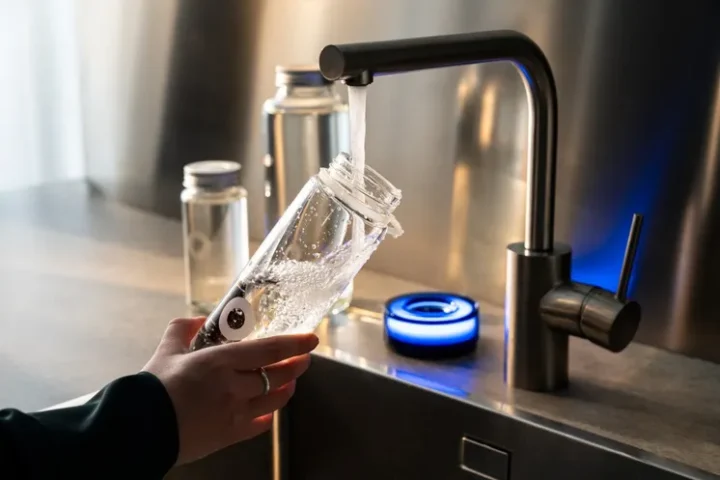
The kitchen is where water becomes food, coffee, tea, ice, and—of course—something you drink directly.
That makes taste and overall treatment performance especially important there.
A dedicated drinking-water faucet can make treated water convenient. You don’t need to run the entire household through a specialized membrane simply because you want better water for drinking.
There’s also a practical benefit: point-of-use systems generally treat a much smaller volume than whole-house systems, which can make certain technologies more appropriate for targeted use.
It’s a matter of matching treatment to purpose.
What “Final Barrier Protection” Means
In a multi-stage filtration setup, the last treatment stage can serve as an important finishing point. A final barrier protection stage may provide additional treatment before water reaches the tap, depending on the system’s design.
This might involve a post-filter or another polishing stage intended to improve taste or provide an additional level of treatment.
The exact role depends on the technology and the water-quality concern. It shouldn’t be treated as a magical final step that makes every other part of the system unnecessary.
Good treatment works as a chain. Each stage has a job.
Water Pressure Deserves Attention
Filtration equipment can affect flow, especially when filters become loaded with sediment or when systems require particular pressure conditions.
Reverse osmosis systems are especially sensitive to incoming pressure because pressure helps drive water through the membrane.
If water pressure is already low, the issue should be considered before installation.
Sometimes a booster pump is appropriate. Sometimes the better answer is choosing a different system. A professional assessment can identify the practical limitations before they turn into an everyday annoyance.
Maintenance Isn’t Optional
Even the best-designed treatment system requires maintenance.
Filters become saturated. Softener salt needs attention in conventional systems. RO membranes eventually require replacement. Valves, seals, and other components can wear.
Fortunately, maintenance doesn’t have to be difficult.
Keep track of installation dates and filter changes. Follow the manufacturer’s recommendations. Watch for changes in taste, flow, pressure, or visible water quality.
A sudden change is worth investigating.
For example, if a filtered-water faucet starts producing a much slower stream, the filter may simply be overdue for replacement. If scale suddenly returns, the cause could be related to a softener setting or another part of the treatment system.
Small clues often tell you what’s happening.
Don’t Over-Treat Your Water
There is a tendency to believe that more filtration automatically means better water.
It doesn’t.
Every additional treatment stage adds equipment, maintenance, replacement costs, and potentially flow restrictions. If a component isn’t addressing an actual water-quality concern, it may not provide meaningful value.
The smartest system is usually the one that addresses identified problems without unnecessary complexity.
That’s why water testing is so valuable. It gives you a reason for every major treatment decision.
Consider Long-Term Ownership
The initial equipment price is only one part of the investment.
Consider replacement filters, salt, service, water usage, electricity where applicable, repairs, and expected equipment life.
Ask how often components need to be replaced and whether parts are readily available. Find out what routine maintenance involves and whether professional service is available locally.
A slightly more expensive system can sometimes be a better long-term choice if it is easier to maintain and supported by reliable service.
But expensive doesn’t automatically mean superior. Fit matters more.
Installation Can Affect Performance
Water-treatment equipment has to work with the home’s plumbing.
Available space, pipe size, drainage, water pressure, electrical requirements, and flow demand can all influence installation.
Professional installation can help ensure the system is configured correctly and can also give homeowners a chance to understand how the equipment works.
A good installer should explain when filters need replacing, how to recognize problems, and what routine care is expected.
That knowledge can save plenty of frustration later.
A Clearer Way to Think About Water Treatment
The best water-treatment decisions usually aren’t made by chasing the newest technology.
They’re made by asking straightforward questions.
What’s actually in the water? What problems are we trying to solve? Does the whole house need treatment, or is drinking water the main concern? Which technology addresses that specific issue? What will maintenance cost over several years?
Once you answer those questions, the choices become much clearer.
A whole-home system can help when water-quality concerns affect multiple fixtures. A dedicated drinking-water system can provide targeted treatment in the kitchen. Additional stages can be added when testing shows they’re useful.
The result should be practical, not complicated.
Better Water Should Feel Effortless
Nobody wants another appliance that demands constant attention.
A well-planned treatment system should quietly handle its job while you go about yours. You take a shower without worrying about excessive scale. You wash dishes without wondering about residue. You fill a glass at the kitchen sink and trust the water you’re drinking.
That’s the real value of thoughtful water treatment.
Not an impressive list of components. Not a complicated control panel.
Just water that’s better suited to the way your household actually lives—and a system designed to keep it that way.