Water is something most of us use without giving it much thought. We turn on the tap to fill a glass, cook dinner, wash clothes, or take a shower, assuming the water will be clean and safe. But sometimes small changes start to appear. The water tastes different, stains show up around the sink, or metal fixtures begin to deteriorate faster than expected. These signs may seem minor at first, yet they can tell an important story about water quality.
Understanding what’s happening inside your plumbing and water supply is the first step toward finding a practical solution. Not every change means there’s a serious problem, of course. Still, unusual tastes, shifts in acidity, and damage to pipes deserve attention rather than guesswork.
When Water No Longer Looks or Tastes Right
Most people can recognize when their drinking water seems unusual. Perhaps it has a metallic aftertaste, smells faintly like rotten eggs, or looks slightly yellow after the tap has been unused for several hours. These changes can come from different sources, including minerals, plumbing materials, naturally occurring substances, or problems in the water supply.
The challenge is figuring out which explanation fits. A strange taste alone rarely identifies the exact cause, and clear water isn’t necessarily free from contaminants. Some substances that affect water safety have no noticeable smell, taste, or color.
Pay attention to when the change occurs. Does it happen at every faucet or only one? Is the water different after heavy rainfall, plumbing work, or a period when the house has been empty? These details can help a qualified water professional or local water provider narrow down the possibilities.
What Causes Unpleasant Taste and Discoloration?
Minerals such as iron and manganese may affect water’s appearance, sometimes leaving reddish-brown or dark stains on sinks, laundry, and bathroom fixtures. Dissolved metals can also contribute to an unpleasant taste. Meanwhile, sulfur compounds may create a rotten-egg smell, although the source can vary depending on the water supply and plumbing system.
Homeowners who notice foul tastes and color changes should avoid assuming that a basic pitcher filter will solve everything. Different filtration systems are designed to address different substances. A carbon filter may improve certain tastes and odors, while iron removal systems or reverse osmosis units may be appropriate for other specific water-quality concerns.
Before purchasing equipment, arrange for appropriate water testing. If the water comes from a private well, testing is particularly important because its quality can change over time. If the property uses a public supply, check local water-quality reports and contact the provider when the change is sudden or widespread.
Why Water Acidity Deserves Attention
Water chemistry involves more than the substances that can be seen or smelled. One useful measurement is pH, which indicates how acidic or alkaline water is. The pH scale generally runs from 0 to 14, with 7 considered neutral. Lower values indicate greater acidity, while higher values indicate greater alkalinity.
The pH level doesn’t tell you everything about water quality, but it can influence how water interacts with pipes, plumbing fittings, and treatment equipment. Water with low pH may be more corrosive under certain conditions, especially when other chemical characteristics encourage metal dissolution.
For homeowners with private wells, pH testing can be a helpful part of routine water checks. Public water systems are generally subject to treatment and monitoring requirements, but household plumbing can still affect the water delivered at the tap.
Recognizing the Effects of Acidic Water
When testing identifies acidic water, the next step is understanding whether the condition is contributing to a practical problem. Low pH can increase the likelihood that water will react with certain plumbing materials, potentially allowing metals to enter the water. However, pH alone cannot confirm whether lead, copper, or another metal is present. Separate testing may be needed.
Acidity can also affect the lifespan of plumbing components. Metal pipes, fittings, and fixtures may be more vulnerable to deterioration depending on the water’s overall chemistry, the materials used, and the age of the system.
Treatment options vary. In some homes, a neutralizing filter containing materials such as calcite can raise pH. Other systems may be required when the water has additional concerns, such as excessive iron or manganese. Choosing the right solution requires test results rather than assumptions.
It’s also worth remembering that changing pH isn’t automatically the same as making water safe to drink. A neutralizer won’t necessarily remove bacteria, pesticides, nitrate, or other contaminants. Each concern needs to be assessed separately.
The Connection Between Water Chemistry and Plumbing Damage
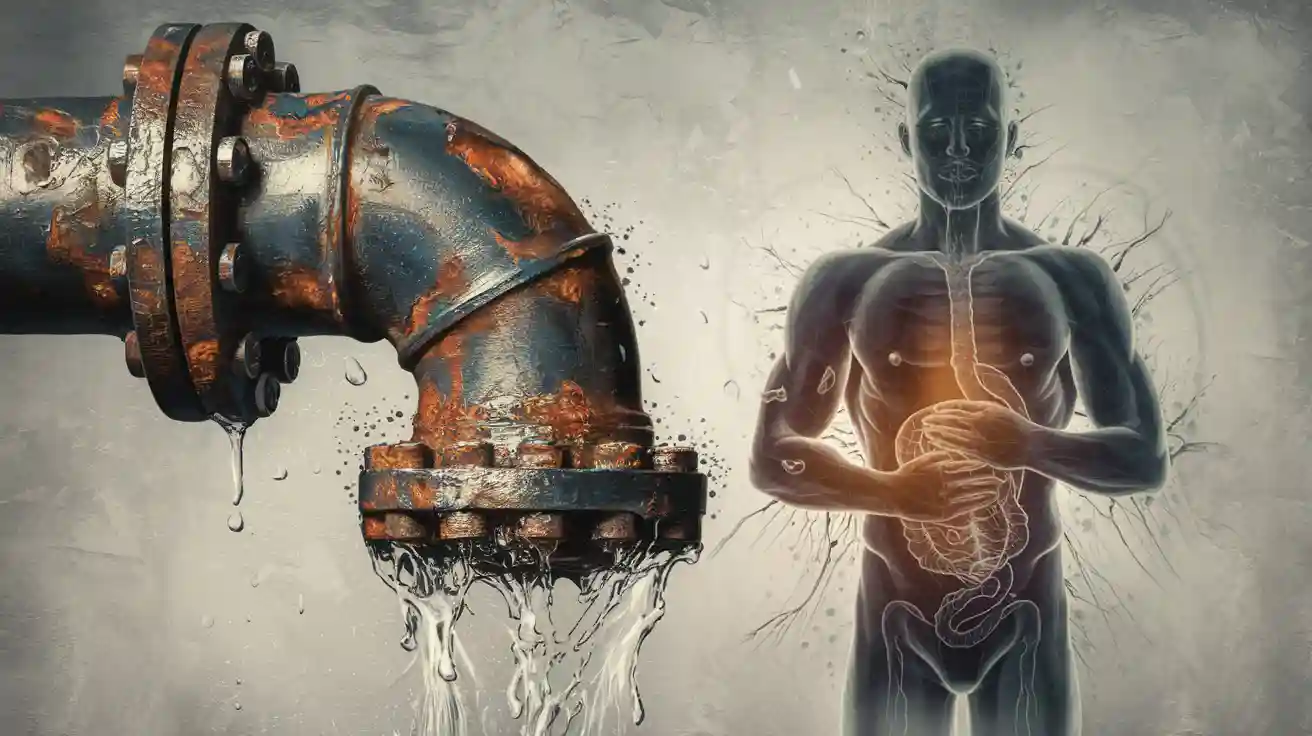
Plumbing systems are designed to carry water for many years, but their durability depends partly on the quality of the water moving through them. Corrosion can gradually affect metal pipes, valves, water heaters, and connections. In some cases, the effects remain hidden until a leak develops or water quality changes noticeably.
A metallic taste may be one clue, but it isn’t a reliable test for metal contamination. Blue-green stains around sinks or tubs can sometimes indicate copper-related issues, while reddish staining may be associated with iron. Neither sign confirms the exact source without further investigation.
How Corrosion Develops Over Time
Corrosion damage can develop when water chemistry, pipe materials, temperature, and other conditions combine to encourage metal deterioration. Low pH is one possible contributor, but dissolved oxygen, mineral content, disinfectants, and electrical interactions between different metals can also influence the process.
The consequences may extend beyond the plumbing itself. Corrosion can contribute to leaks, reduce the reliability of fixtures, and introduce certain metals into drinking water. Older buildings may deserve particular attention because their plumbing materials can differ from those used in newer construction.
If you suspect corrosion, consider having a licensed plumber inspect the system alongside appropriate water testing. A plumber can assess pipe condition and identify potential weaknesses, while laboratory testing can help determine whether the water contains elevated metal concentrations.
Avoid relying on appearance alone. Water can look perfectly normal even when a contaminant is present, and replacing a visibly damaged fitting won’t necessarily address a broader water-chemistry problem.
Choosing the Right Water Treatment Approach
Once the cause has been identified, treatment becomes much more straightforward. A common mistake is buying a system based on a general promise of cleaner water without checking whether it addresses the actual issue.
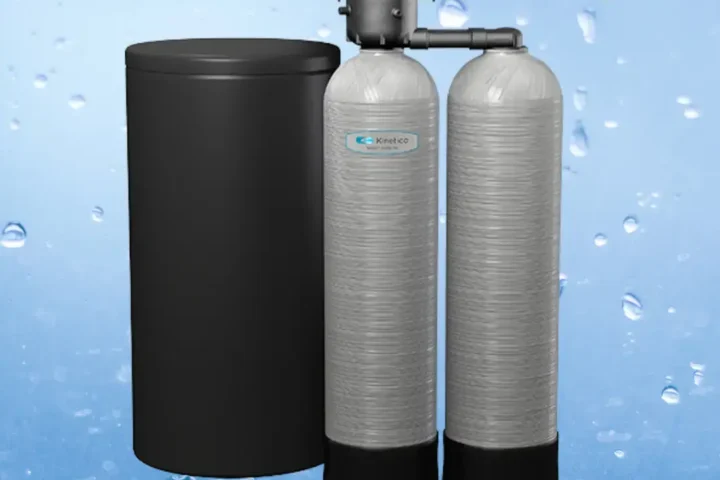
Different technologies serve different purposes. Activated carbon filters can reduce certain tastes, odors, and chemical contaminants, depending on the product and its certification. Reverse osmosis systems can reduce a range of dissolved substances. Water softeners primarily address hardness minerals, while neutralizing filters are often used to correct acidic conditions. Specialized systems may be necessary for particular metals or other contaminants.
Before installation, ask what the system removes, what it leaves behind, and how frequently its filters or treatment media need replacement. Look for independently certified products suited to the contaminant identified in your test results. Proper installation and maintenance matter just as much as the equipment itself.
Testing after installation can also confirm whether the treatment is working as expected. Keep records of results and service dates, especially if the home relies on a private well.
Small Warning Signs Can Lead to Better Decisions
Water problems rarely come with a convenient explanation. A strange taste might point toward minerals, plumbing materials, or something in the source supply. Low pH may contribute to pipe deterioration, while visible stains can offer clues without providing a complete diagnosis.
The sensible approach is to notice changes, test the water, and choose treatment based on evidence. If contamination is suspected, use an appropriate alternative drinking-water source until the risk has been assessed, particularly when official guidance recommends it.
Clean water isn’t simply about what comes out of the tap looking clear. It’s about understanding the chemistry behind it, protecting the plumbing that carries it, and making informed decisions before a small concern turns into an expensive repair. With suitable testing and the right treatment, homeowners can take meaningful steps toward dependable water quality every day.