Water is one of those things most people take for granted until something seems off. Perhaps the drinking water tastes slightly metallic, white spots keep appearing on bathroom fixtures, or the kitchen tap leaves an unusual smell behind. Sometimes the problem is obvious. Other times, everything looks perfectly normal, even when the water contains minerals or other substances worth investigating.
The good news is that improving household water quality doesn’t have to begin with guesswork. A little information, some practical advice, and the right equipment can make a real difference. Instead of buying a filter simply because a neighbor recommends it, homeowners can start by understanding their own water and choosing a solution that fits their needs.
Why Water Quality Deserves a Closer Look
Water travels a long way before reaching your home. Depending on its source, it may pick up naturally occurring minerals, pass through treatment facilities, or move through plumbing that affects its final taste and appearance. Private wells introduce additional considerations because their quality can change with rainfall, nearby land use, and seasonal conditions.
Some concerns are easy to recognize. Hard water can leave mineral deposits on faucets, showerheads, and glassware. Iron may contribute to reddish-brown staining, while certain plumbing conditions can affect taste or introduce unwanted metals. A chlorine smell may simply reflect municipal disinfection, but it can still make drinking water less pleasant for some households.
Not every change means the water is unsafe, of course. Still, unusual odors, persistent discoloration, or sudden changes in taste deserve attention rather than being ignored.
Start with Testing Instead of Guesswork
It’s tempting to head straight to a hardware store and choose a popular filter. But what works beautifully in one home might accomplish very little in another. A household dealing with excessive hardness has different needs from one concerned about sediment, unpleasant tastes, or specific contaminants.
This is where a free water analysis can provide a useful starting point. Depending on the provider, the assessment may include basic measurements of hardness, pH, iron, chlorine, or other characteristics. The exact tests offered will vary, so it’s worth asking what the analysis covers and whether laboratory testing is recommended for particular concerns.
Testing also helps separate cosmetic issues from problems that require closer investigation. For example, cloudy water can sometimes result from tiny air bubbles that disappear after standing in a glass. Persistent cloudiness, however, may have another explanation. A simple observation can be helpful, but it shouldn’t replace appropriate testing when safety is in question.
For private well owners, regular testing is especially important. A certified laboratory can test for bacteria, nitrates, and other potential contaminants that basic home assessments may not detect. Municipal water customers can also review their local water quality reports, while remembering that conditions inside household plumbing may differ from the results reported by the utility.
Choosing a Treatment Solution That Makes Sense
Once the main concerns are understood, the next step is deciding how to address them. There isn’t one universal system that solves every water problem, despite what some advertisements might suggest.
Water softeners, for instance, are designed primarily to reduce hardness minerals such as calcium and magnesium. They can help minimize scale buildup and make soap work more effectively. However, a softener isn’t a substitute for a drinking-water filter designed to reduce particular contaminants.
Activated carbon filters are commonly used to improve taste and odor, including those associated with chlorine. Reverse osmosis systems can reduce many dissolved substances, although their performance depends on the system design, maintenance, and the substances involved. Sediment filters serve a different purpose by capturing particles that may otherwise reach fixtures or downstream equipment.
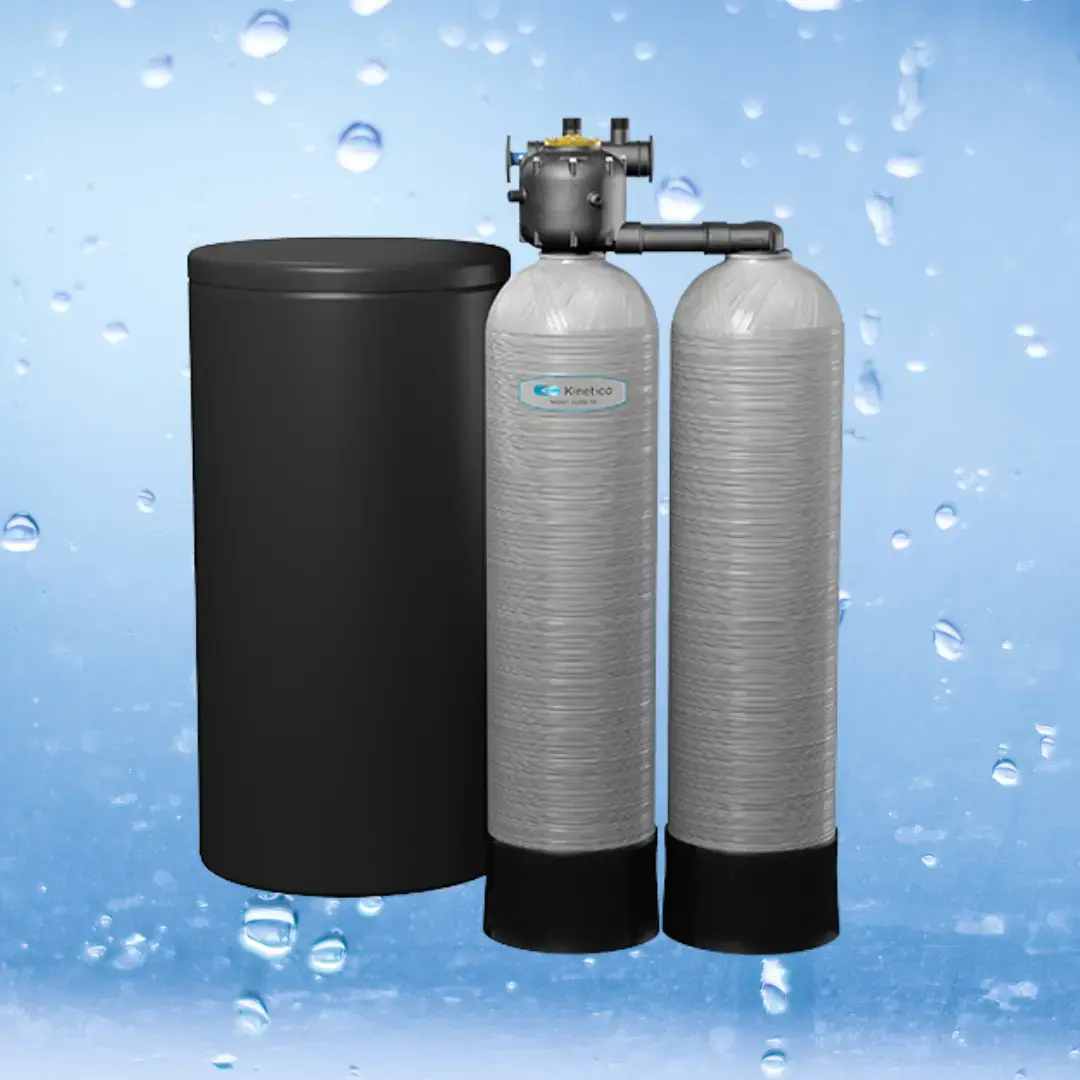
Modern water treatment systems come in different sizes and configurations, from point-of-use units installed beneath a kitchen sink to whole-house equipment connected near the main water supply. The best option depends on what needs to be removed, how much water the household uses, and the condition of the existing plumbing.
It’s also worth considering the practical details. Will replacement cartridges be easy to find? Does the system require electricity? How often does it need servicing? What happens when filters reach the end of their useful life? These questions might not sound exciting, but they matter long after installation day.
Why Professional Guidance Can Save Time
Water treatment can become confusing quickly. Product descriptions often use technical terms, and two systems that look similar on paper may perform differently under real household conditions.
A knowledgeable water treatment professional can explain the test results, recommend suitable equipment, and identify whether more detailed testing is needed. They should also be willing to explain what a system cannot do. No treatment method removes every possible contaminant, and claims of universal purification deserve a healthy dose of skepticism.
Before committing to a purchase, ask for a clear explanation of the recommended equipment, installation requirements, expected maintenance, and ongoing costs. If a company recommends several products, ask which specific water issue each one addresses. A good recommendation should have a reason behind it, not simply a longer equipment list.
Many providers offer a quick quote after gathering basic information about a home and its water concerns. This can make budgeting easier, particularly when comparing installation options. However, an estimate is most useful when it clearly explains what’s included, whether plumbing modifications are necessary, and which maintenance expenses may arise later.
Price matters, but the cheapest system isn’t always the most economical choice. A unit that doesn’t address the actual problem can leave homeowners paying for equipment that delivers little noticeable improvement.
Everyday Habits That Help Protect Your Water
Treatment equipment is only one part of maintaining good household water. Regular attention to plumbing and maintenance can help prevent avoidable issues.
Replace filters according to the manufacturer’s schedule rather than waiting until the water tastes different. Inspect visible pipes for leaks or corrosion, and clean faucet aerators when sediment begins collecting. If the water supply suddenly changes in appearance, smell, or taste, investigate the cause instead of assuming the existing system will handle it.
For households using well water, keep testing records and follow recommendations from local health authorities. After flooding, plumbing repairs, or other events that could affect a well, additional testing may be appropriate.
It’s also wise to understand the limits of visual inspection. Water can look clear and still contain contaminants that cannot be detected by sight, smell, or taste. Testing remains the more reliable way to investigate those concerns.
A Practical Investment in Everyday Comfort
Clean, pleasant-tasting water can make daily routines feel easier, from preparing morning coffee to washing dishes without dealing with stubborn mineral spots. More importantly, addressing a confirmed water quality concern can help households make informed decisions about their health and plumbing.
The process doesn’t need to be complicated. Begin with the symptoms you’ve noticed, find out what testing is available, and compare treatment options based on evidence rather than marketing promises. Ask questions, understand the maintenance requirements, and make sure the proposed equipment matches the problem.
Water enters our lives in countless small ways, often without a second thought. Taking the time to understand it is a sensible step toward a more comfortable home. And when decisions are based on reliable information, the result is more likely to be a solution that works well today and continues to make sense in the years ahead.