There’s something comforting about having your own well. You turn on the tap and know the water is coming from beneath your property, not from a distant municipal system. But private wells also come with a responsibility that is easy to overlook: nobody is automatically checking that water for you.
A well can provide excellent water for years, then develop a new taste, odor or staining problem almost seemingly overnight. Sometimes the change is harmless. Sometimes it points to an issue worth investigating.
The good news is that well-water treatment doesn’t have to be a guessing game. Testing, sensible treatment choices and routine maintenance can go a long way toward keeping the water dependable.
Start With Testing, Not a Sales Pitch
The first step is surprisingly simple: find out what’s actually in the water.
A private well can contain naturally occurring minerals, sediment and other substances influenced by the surrounding geology. Agricultural activity, flooding, nearby construction or changes in the well itself can also affect water quality.
That makes well water testing / lab analysis an important part of responsible well ownership. A laboratory test can provide information that your senses simply can’t. Water that looks crystal clear may still contain substances that aren’t visible, while an unpleasant taste doesn’t automatically mean the water is unsafe.
Testing should be based on your location, water source and concerns. A qualified water professional or appropriate laboratory can help determine which parameters should be evaluated.
Pay Attention to Changes
Your senses are not a substitute for laboratory testing, but they can provide useful clues.
Does the water suddenly smell like rotten eggs? Is there orange staining around sinks? Has the water become cloudy after heavy rain? Are you noticing a metallic taste?
These changes are worth investigating, particularly if they appear suddenly.
Sediment can sometimes enter a well after weather events. Iron and manganese may cause staining. Sulfur compounds can create strong odors. Hardness can leave scale on fixtures and appliances.
None of these observations tells the whole story, but they can help point toward the next question: what is causing it?
Well Water and Municipal Water Are Different
One major difference between private wells and municipal supplies is responsibility.
Public water systems are generally subject to regulatory monitoring and treatment requirements. Private well owners don’t have the same centralized oversight. That means testing and maintenance become the homeowner’s responsibility.
It doesn’t mean well water is inherently dangerous. Many families use private wells successfully for decades.
It does mean that a well shouldn’t be treated as a “set it and forget it” system.
Regular testing, especially after changes in the water or events such as flooding, is a sensible habit.
When Whole-Home Reverse Osmosis Makes Sense
Reverse osmosis is often associated with drinking-water filtration, but some homeowners consider using it for a larger portion of their household supply.
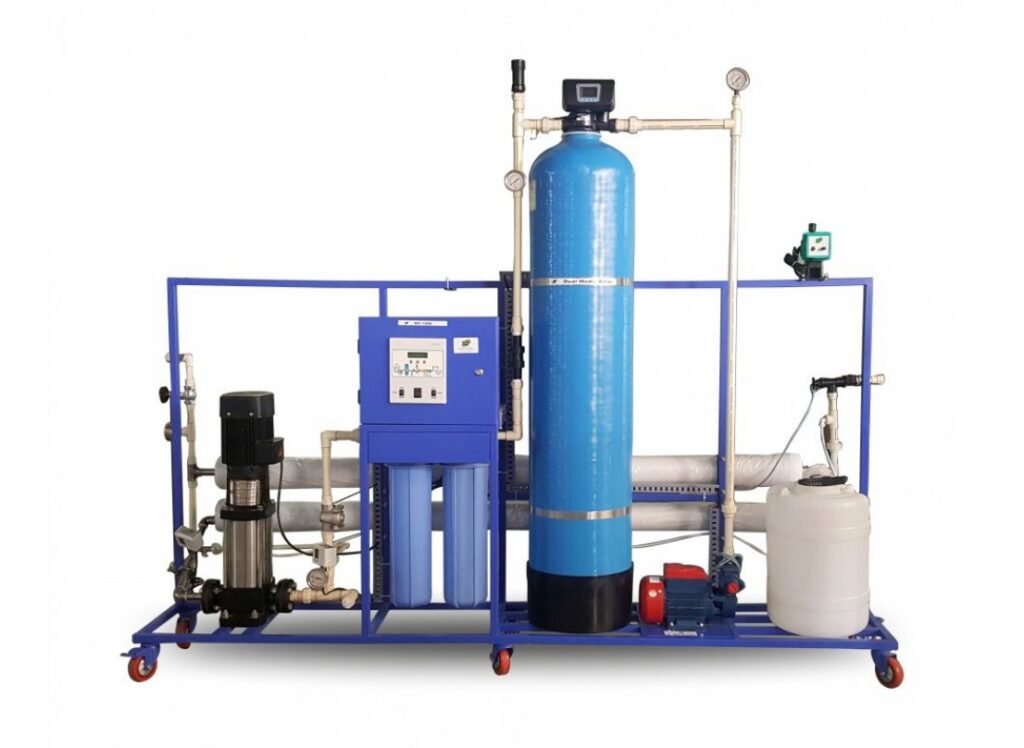
A whole-home ro for well water can reduce many dissolved substances when the water chemistry and household requirements make RO appropriate. However, whole-home reverse osmosis is a much more involved installation than a typical under-sink unit.
Water demand, pressure, wastewater production, storage capacity and pretreatment all need careful consideration.
For some homes, whole-house RO may be unnecessary. A targeted drinking-water system could address the primary concern at a much lower cost and with less complexity.
The right question isn’t whether RO is powerful. It is whether your water actually needs that level of treatment.
Hard Water Is Common in Well Systems
If you’ve ever scrubbed stubborn white deposits from a shower door, you may already be familiar with hard water.
Groundwater often picks up minerals as it moves through rock and soil. Calcium and magnesium are the primary contributors to hardness.
Hard water isn’t generally considered a health problem at ordinary levels, but it can be frustrating around the house. Scale can accumulate on fixtures, water heaters and appliances. Soap may rinse differently, and glassware can develop spots.
A traditional water softener can reduce hardness minerals through ion exchange. Other systems focus on scale control rather than removing those minerals.
Testing the water first helps determine whether softening is actually warranted.
What About Iron and Rust-Colored Stains?
Orange or reddish staining around toilets, sinks and tubs is another familiar well-water complaint.
Iron can occur naturally in groundwater. Depending on its form and concentration, it may create staining, metallic taste or discoloration.
Treatment varies according to the type and amount of iron present. Some systems use oxidation followed by filtration, while others use specialized media.
This is a good example of why buying a generic filter can be disappointing. A system designed for sediment isn’t necessarily designed for dissolved iron.
The water chemistry should determine the treatment.
Microbiological Concerns Deserve Serious Attention
One of the biggest differences between aesthetic water problems and health-related concerns is microbiological contamination.
Bacteria can enter a well through environmental conditions, damaged components, flooding or other pathways. Because microorganisms aren’t visible, clear water doesn’t necessarily tell you anything about their presence.
Testing is the starting point if bacterial contamination is suspected.
When disinfection is needed, ultraviolet treatment is one technology commonly considered for private wells. well uv disinfection uses ultraviolet energy to inactivate microorganisms as water passes through the treatment chamber.
For UV to work effectively, the water generally needs to be sufficiently clear because excessive sediment or cloudiness can interfere with treatment. That’s why pretreatment may be an important part of the system.
UV equipment also requires regular maintenance. Lamps and other components have service intervals, and the system should be monitored according to manufacturer recommendations.
Don’t Forget Sediment
Sand, silt and other suspended particles can enter a well system and cause problems even when there’s no serious contamination.
Sediment can clog faucets, affect appliances and shorten the life of downstream filters. A properly selected sediment filter can capture these particles before they travel throughout the home’s plumbing.
The filter’s micron rating and flow capacity matter. Choosing an extremely fine filter isn’t automatically better if it creates excessive pressure loss or requires constant replacement.
Again, balance wins.
Well Maintenance Matters Too
Water treatment equipment can only do so much if the well itself has a problem.
The well cap, casing, pressure tank, plumbing and surrounding area should be maintained appropriately. Keeping potential contamination sources away from the well can also help protect the water supply.
If water quality changes suddenly, don’t immediately assume you need a new filtration system.
The well itself should be investigated.
Sometimes the best solution isn’t another filter. It’s finding and correcting the source of the problem.
Build Treatment Around Your Household
A family of two with modest water consumption may need a very different system from a household of six with several bathrooms.
Flow rate matters. So does water pressure.
Treatment equipment needs to provide enough capacity during peak usage. Otherwise, you can end up with disappointing pressure when several fixtures are operating at once.
Available installation space and drainage should also be considered. Some systems require electricity, storage tanks or a dedicated drain connection.
These practical details aren’t glamorous, but they’re important.
Maintenance Is Part of the Deal
A well-treatment system is an investment, not a magic box.
Filters need replacement. UV lamps have service requirements. Softener systems need salt and periodic attention. RO membranes eventually need replacement.
Keep a record of filter changes and water tests. It makes it much easier to spot patterns and determine whether performance is changing.
If you move into a home with a private well and don’t know when the equipment was last serviced, consider having the entire setup evaluated rather than assuming everything is fine.
Good Well Water Starts With Knowing Your Water
Owning a private well gives you independence, but it also means taking an active role in water quality.
Test the water. Pay attention to changes. Understand what each treatment technology is designed to do, and don’t install equipment simply because a salesperson says it’s the latest thing.
Some homes need little more than basic filtration. Others may require softening, disinfection, iron treatment or more advanced purification.
There isn’t a universal answer—and that’s actually a good thing.
When treatment is based on real water conditions, the result is usually simpler and more effective. Your faucets work as they should. Appliances have less trouble with scale and sediment. Drinking water tastes better. Most importantly, you have a clearer understanding of what’s coming from your well.
That knowledge is worth a lot.
After all, the best well-water system isn’t the one with the most equipment. It’s the one that quietly gives your household confidence every time you turn on the tap.