A friend of mine spent three months “researching” before finally launching her online jewelry store — and admitted afterward that most of that time was just fear dressed up as preparation. Learning how to start an online store is genuinely more straightforward than people assume, especially now.
Here’s the practical roadmap, without the overthinking.
What You Actually Need to Start an Online Store
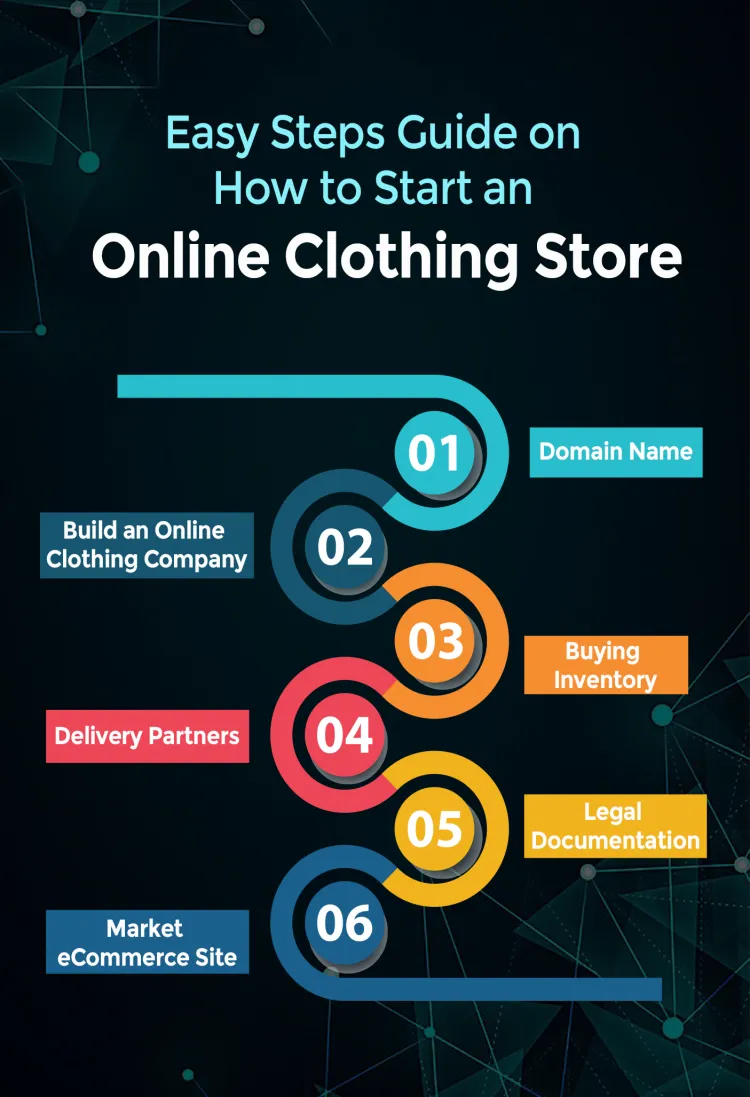
Starting an online store requires a clear product, a chosen e-commerce platform, basic payment and shipping setup, and a way to drive traffic — nothing more complicated than that at the beginning.
Step 1: Validate Your Product Idea First
Before building anything, confirm people actually want what you’re selling. Post about it, take pre-orders, or run a small test batch before investing heavily in inventory.
Step 2: Choose the Right E-Commerce Platform
Popular options in India include Shopify, WooCommerce (WordPress-based), and Instamojo for smaller sellers. Each has different pricing and complexity:
- Shopify: easiest setup, monthly subscription cost
- WooCommerce: more customizable, needs a bit more technical comfort
- Instamojo: great for very small sellers starting with minimal investment
Step 3: Register Your Business Properly
Even a small proprietorship registration and GST number (once you cross the threshold) makes your store legitimate and simplifies payment gateway approvals later.
[link to related guide about basic accounting principles here]
Step 4: Set Up Payment Gateways
Razorpay, PayU, and Cashfree are commonly used in India, supporting UPI, cards, and net banking. Customers abandon carts fast if payment options feel limited or untrustworthy.
Offering multiple, trusted payment options is one of the simplest ways to reduce cart abandonment when learning how to start an online store.
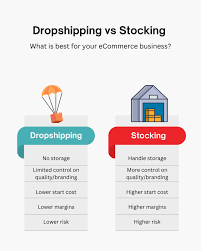
Step 5: Plan Your Shipping and Fulfillment
Decide early: will you handle packing and shipping yourself, or use a fulfillment partner? Services like Shiprocket integrate with most e-commerce platforms and simplify logistics for smaller stores.
Step 6: Take Genuinely Good Product Photos
This matters more than people expect. Natural lighting, a clean background, and multiple angles massively improve conversion rates compared to blurry, inconsistent photos.
A few quick photo tips:
- Use natural daylight near a window when possible
- Show the product from at least 3 angles
- Include a photo showing scale or actual use
Step 7: Write Clear, Honest Product Descriptions
Skip generic, copied descriptions. Explain what makes your product genuinely useful, include sizing or material details, and answer questions customers would naturally ask.
[link to related guide about brand identity here]
Step 8: Drive Initial Traffic
Your store won’t get visitors automatically. Combine social media promotion, influencer collaborations (even small local ones), and basic SEO to start bringing people in.
[link to related guide about social media marketing strategy here]
Common Mistakes First-Time Online Store Owners Make
- Launching with too many products instead of a focused starting range
- Ignoring mobile experience, even though most shoppers browse on phones
- Ineffective or unclear return/refund policies, hurting trust
- Underestimating shipping costs when setting product prices
FAQ
How much does it cost to start an online store in India? It can range from a few thousand rupees (using free/low-cost platforms and minimal inventory) up to lakhs for a fully custom-built store with substantial initial stock.
Which e-commerce platform is best for beginners? Shopify is popular for its ease of use, though Instamojo works well for very small sellers wanting minimal upfront investment.
Do I need a GST number to sell online in India? Generally required once your turnover crosses the threshold, and most major payment gateways and marketplaces require it for verification regardless.
How long does it take to set up an online store? A basic store can realistically launch within 1-2 weeks; a more polished, fully customized version might take 4-6 weeks.
Should I sell on my own website or on marketplaces like Amazon and Meesho? Many sellers do both — marketplaces offer faster initial traffic, while your own website builds long-term brand ownership and better margins.
Conclusion
Learning how to start an online store isn’t as complicated as the endless research phase makes it feel — validate your idea, pick a platform, set up payments and shipping, and launch with a focused product range. Most of the “perfecting” can happen after launch, based on real customer feedback rather than guesswork.