Someone messaged me last month asking whether to start dropshipping or invest in inventory, expecting a quick “this one’s better” answer. Honestly, the real answer depends entirely on your goals, budget, and patience. The dropshipping vs inventory debate isn’t as simple as one model beating the other.
Let’s compare them honestly.
The Core Difference
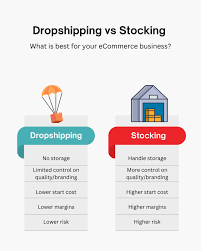
In dropshipping, you sell products without holding any inventory — your supplier ships directly to the customer — while inventory-based e-commerce means you purchase and store stock upfront before selling it yourself.
Dropshipping: The Pros
- Extremely low startup cost — no upfront inventory purchase
- No warehousing or storage headaches
- Easy to test multiple products quickly without financial risk
- Location-independent — you can run it from literally anywhere
Dropshipping: The Cons
I’ll be honest here — the downsides are significant and often underplayed by “get rich quick” content online:
- Lower profit margins, since suppliers take a cut
- Little control over shipping times or product quality
- Harder to build genuine brand loyalty when you don’t control fulfillment
- Increasingly saturated in popular niches, making differentiation tough
One of the biggest drawbacks in the dropshipping vs inventory comparison is the lack of quality control, which directly affects customer trust and repeat purchases.
Inventory-Based E-Commerce: The Pros
- Higher profit margins since you cut out the dropshipping middleman
- Full control over product quality, packaging, and branding
- Faster shipping times, since you control fulfillment directly
- Easier to build a genuinely loyal, repeat customer base
Inventory-Based E-Commerce: The Cons
- Requires meaningful upfront capital for stock
- Storage and warehousing costs, unless you’re working from home initially
- Risk of unsold inventory tying up cash
- More operational complexity overall
[link to related guide about cash flow management here]
Which One Fits You Better?
Ask yourself honestly:
- How much capital can you realistically invest upfront?
- Do you want to build a genuine, lasting brand, or test ideas quickly?
- How important is product quality control to your business vision?
- Are you comfortable with the operational side of managing physical stock?
If you’re testing an idea with minimal risk, dropshipping makes sense as a starting point. If you’re serious about building a distinct, trusted brand long-term, inventory-based e-commerce is usually the stronger path.
[link to related guide about how to start an online store here]
A Hybrid Approach Worth Considering
Some sellers start with dropshipping to validate demand, then transition into holding inventory for their best-performing products once they’ve proven demand exists. This reduces the initial financial risk while still building toward a stronger long-term model.
[link to related guide about low investment business ideas here]
FAQ
Is dropshipping still profitable in 2026? It can be, but margins have thinned as more sellers enter popular niches — success now requires genuine differentiation, not just listing generic products.
How much capital do I need to start inventory-based e-commerce? It varies by product and quantity, but even a modest starting inventory often requires anywhere from ₹50,000 to a few lakhs depending on your niche.
Can I switch from dropshipping to holding inventory later? Yes, and it’s a common, sensible path — many successful e-commerce brands started exactly this way once they’d validated demand.
Which model has better profit margins? Inventory-based e-commerce generally offers better margins since you’re not sharing profit with a dropshipping supplier.
Is dropshipping a good option for complete beginners? It can be a reasonable low-risk starting point to learn the fundamentals of online selling, though expectations around quick, easy profit should be realistic.
Conclusion
There’s no universal winner in the dropshipping vs inventory debate — it genuinely depends on your capital, risk tolerance, and long-term brand ambitions. If you’re unsure, start small with dropshipping to test demand, then transition to inventory once you’ve found a product genuinely worth investing in.