I used to dread cold calling early in my career — reading a rigid script word for word, sounding like a robot, getting hung up on constantly. The scripts that actually work aren’t rigid at all. Good cold calling scripts are more like flexible conversation frameworks than word-for-word speeches.
Here’s what genuinely moves the needle.
Why Most Cold Calling Scripts Fail
Most cold calling scripts fail because they focus entirely on the product pitch instead of quickly understanding whether the prospect actually has the problem you solve. People can tell within seconds if they’re being pitched at versus genuinely spoken with.
The Opening: Get Permission, Not Attention
Instead of launching straight into a pitch, try something like: “Hey [name], this is a cold call — do you have 30 seconds, or is this a bad time?” This respects their time and, oddly, increases the odds they’ll actually listen.
1. The Problem-First Script
“Hi [name], I work with [industry] businesses who often struggle with [specific problem]. Is that something you’re dealing with too, or has your team already solved it?”
This opens a real conversation instead of a pitch, and it filters out people who genuinely aren’t a fit early on.
2. The Referral-Style Script
Even without a real referral, framing helps: “I’ve been speaking with a few [role] in [industry], and a common theme keeps coming up — [problem]. Curious if that resonates with you?”
Framing your cold call around a shared industry problem rather than your product tends to convert better because it feels like insight, not a sales pitch.
3. The Curiosity-Gap Script
“Quick question — how are you currently handling [specific process]?” This invites a real answer instead of a defensive “not interested” reflex.
4. Handling the Instant “Not Interested”
Don’t panic and don’t argue. Try: “Totally fair — can I ask, is it that you’ve already got this handled, or just not the right time to talk about it?” This often reopens the door without being pushy.
5. The Close for a Follow-Up, Not a Sale
Cold calls rarely close a sale on the first call, and that’s fine. Aim instead for a scheduled follow-up: “Would it make sense to grab 15 minutes next week to go into more detail?”
A simple structure to follow on most cold calls:
- Permission-based opener
- One sharp, relevant question about their situation
- Brief value statement, only if they engage
- Ask for a specific next step, not a vague “let me know”
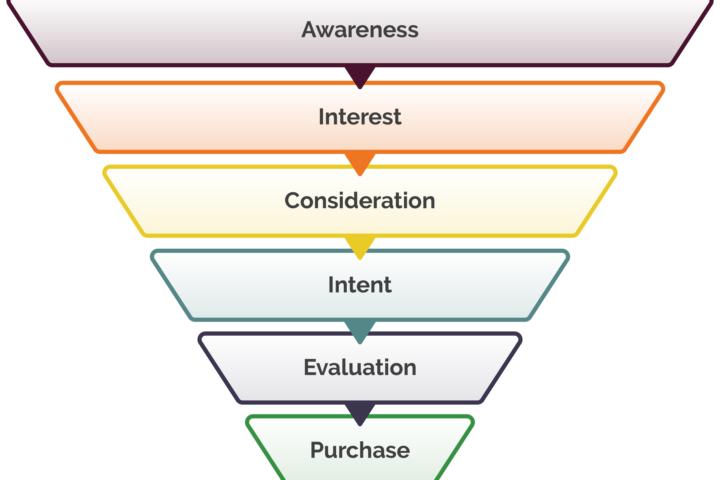
[link to related guide about sales funnel here]
6. Tone Matters More Than Words
I’ve noticed reps obsess over exact wording while ignoring tone entirely. A relaxed, genuinely curious tone converts far better than a rushed, scripted-sounding delivery — even with identical words.
Common Cold Calling Mistakes
- Talking too much before asking any real questions
- Sounding robotic by reading the script word-for-word
- Not having a clear next step ready when someone shows interest
- Giving up after one “no” instead of asking a clarifying follow-up
[link to related guide about how to find freelance clients here]
FAQ
What’s the ideal length for a cold call opener? Around 10-15 seconds — long enough to state your purpose, short enough to respect their time and keep their attention.
How many cold calls does it typically take to get one meeting? It varies a lot by industry, but many sales teams see roughly 1 meeting booked per 20-30 dials on average — persistence genuinely matters here.
Should I use a script word-for-word or just as a guide? Treat it as a flexible guide with key phrases memorized, not a rigid script — natural conversation converts far better than a scripted read-through.
What’s the best time of day to cold call? Many sales teams find late morning (10-11am) and mid-afternoon (4-5pm) tend to have higher answer rates, though this varies by industry.
How do I handle rejection without losing motivation? Reframe each “no” as data, not personal failure — most successful salespeople make peace with a high rejection rate as simply part of the process.
Conclusion
Good cold calling scripts aren’t about sounding polished — they’re about starting a real, curious conversation instead of launching a rehearsed pitch. Try the problem-first opener on your next ten calls and pay attention to how differently people respond. Small shifts in framing usually matter more than the exact words you use.