A small business owner once told me she was “doing marketing” but had zero idea where her leads were actually dropping off before purchase. That’s a sales funnel problem, not a marketing problem. Without understanding your funnel stages, you’re basically guessing where to fix things.
Let’s break it down clearly.
What Is a Sales Funnel?
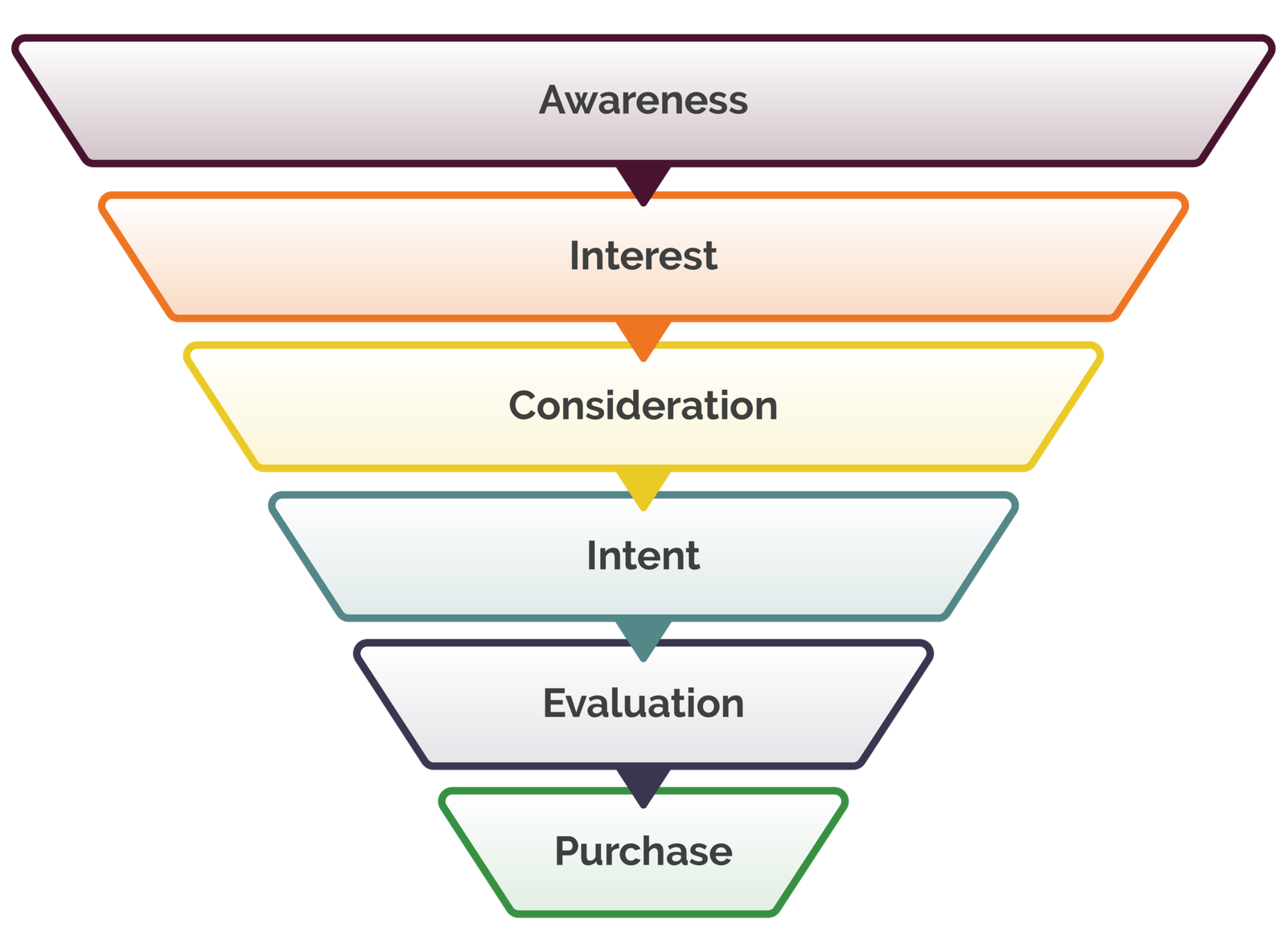
A sales funnel is the step-by-step journey a potential customer goes through — from first hearing about your business to actually making a purchase — and understanding each stage helps you fix exactly where prospects are dropping off.
Stage 1: Awareness
This is where potential customers first discover your business — through social media, search engines, word of mouth, or ads. The goal here isn’t selling; it’s simply getting noticed.
Stage 2: Interest
Once aware, prospects start researching. They check your website, read reviews, compare you against competitors. Content like blog posts, case studies, and clear product information matter enormously here.
[link to related guide about content marketing strategy here]
Stage 3: Consideration
At this point, prospects are seriously weighing whether to buy from you. This is where testimonials, comparison guides, free trials, or consultations often tip the decision.
The consideration stage of your sales funnel is where trust-building content — reviews, case studies, demos — has the biggest impact on conversion.
Stage 4: Intent
The prospect has shown clear buying signals — added something to cart, requested a quote, booked a demo call. This is where a fast, personal follow-up matters most.
Stage 5: Purchase
The actual conversion. But the funnel doesn’t end here, even though a lot of businesses treat it that way.
Stage 6: Retention (Often Overlooked)
Getting a customer once is only half the job. Follow-up emails, loyalty programs, and genuine customer support keep people coming back — and repeat customers are usually far cheaper to retain than new ones are to acquire.
A few numbers worth knowing: acquiring a new customer typically costs 5-7 times more than retaining an existing one, depending on the industry.
How to Identify Where Your Funnel Is Leaking
Track conversion rates between each stage:
- Website visitors to leads (awareness to interest)
- Leads to qualified prospects (interest to consideration)
- Prospects to actual buyers (consideration to purchase)
- First-time buyers to repeat buyers (purchase to retention)
Wherever the biggest drop-off happens, that’s usually where to focus your fixes first.
[link to related guide about cold calling scripts here]
Common Sales Funnel Mistakes
- Pouring all effort into awareness (ads, social posts) while ignoring the middle stages
- No clear follow-up process for warm leads who haven’t converted yet
- Treating every lead the same, regardless of where they are in the funnel
- Ignoring retention entirely after the first sale closes
FAQ
How long should a sales funnel take to convert a lead? It varies hugely by industry — a low-cost product might convert in days, while B2B sales cycles can take months. Track your own historical data for a realistic benchmark.
What’s the difference between a sales funnel and a marketing funnel? They overlap significantly, but marketing funnels often focus more on awareness and interest, while sales funnels extend deeper into consideration through actual purchase.
Do small businesses really need a formal sales funnel? Yes — even informally, understanding these stages helps small business owners figure out exactly where potential customers are getting stuck.
What tools help track a sales funnel? CRM tools like HubSpot, Zoho CRM, or even a well-organized spreadsheet for smaller businesses can track leads through each funnel stage.
Which funnel stage do most businesses neglect? Retention, by far. Many businesses focus heavily on getting new customers while barely investing in keeping the ones they already have.
Conclusion
Understanding your sales funnel stage by stage turns vague frustration (“sales are slow”) into a specific, fixable problem (“we’re losing people at the consideration stage”). Map out your own funnel this week, track the drop-off points honestly, and focus your energy exactly where the leak is — not everywhere at once.