A small clothing brand I follow used to post whatever felt inspiring that day — no plan, no consistency. Growth was flat for over a year. The moment they built an actual content marketing strategy, even a simple one, engagement and sales both picked up within a few months.
Here’s how to build one without needing a full marketing department.
What Content Marketing Strategy Actually Means
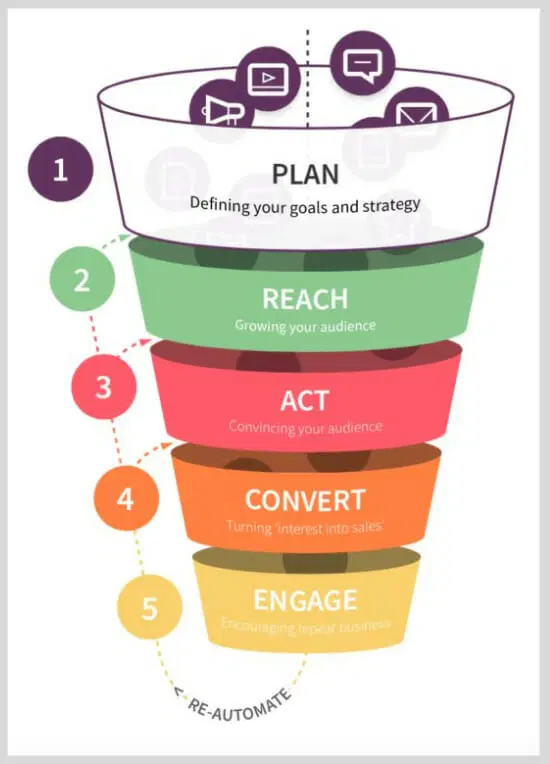
A content marketing strategy is a documented plan for what content you’ll create, who it’s for, and how it moves people from simply noticing your brand to eventually buying from it — not just a random posting schedule.
1. Define Your Actual Audience First
Skip this step and everything else falls apart. Get specific: age range, interests, pain points, where they spend time online. “Everyone” is not an audience.
2. Pick 2-3 Content Pillars
Don’t try to cover everything. Pick a few core themes your content will consistently revolve around — for example, a bakery might focus on recipes, behind-the-scenes process, and customer stories.
Sticking to a few clear content pillars makes your content marketing strategy feel consistent and recognizable, instead of scattered and random.
3. Choose Platforms Based on Your Audience, Not Trends
Just because everyone’s talking about a new platform doesn’t mean your audience is there. A B2B service business likely gets more value from LinkedIn than from a trending short-video app, for instance.
4. Build a Simple Content Calendar
Even a basic spreadsheet with dates, topics, and platforms prevents the scramble-and-post-randomly pattern. Plan at least two weeks ahead.
A simple weekly content mix might look like:
- 2 educational posts (tips, how-tos)
- 1 behind-the-scenes or personal story post
- 1 promotional post (product, offer)
- 1 engagement post (question, poll, user-generated content)
5. Repurpose Content Across Formats
One blog post can become a carousel, a short video script, an email newsletter section, and a few social captions. Small teams especially can’t afford to create everything from scratch each time.
[link to related guide about social media marketing strategy here]
6. Track What Actually Works, Not What Feels Good
Vanity metrics like likes feel nice but don’t always translate to sales. Track saves, shares, click-throughs, and actual conversions where possible.
7. Be Consistent Over Being Frequent
I’ve noticed small businesses burn out trying to post daily, then quit entirely after a few weeks. Three genuinely good posts a week, sustained for months, beats a daily posting streak that dies after three weeks.
[link to related guide about brand identity here]
8. Don’t Ignore SEO-Focused Content
Blog posts targeting specific searches your customers actually make can bring in steady, free traffic over time — unlike social posts that disappear from feeds within days.
Common Content Marketing Mistakes
- Posting purely promotional content without any real value
- No clear audience definition, leading to generic messaging
- Inconsistent posting with long unexplained gaps
- Ignoring analytics entirely and just “hoping” content works
FAQ
How much time should a small business spend on content marketing weekly? Even 3-5 focused hours weekly can produce a solid content output if planned properly with a calendar and repurposing strategy.
Do I need to be on every social platform for content marketing to work? No — being genuinely active and consistent on 1-2 platforms where your audience actually spends time beats a weak presence spread across five.
How long before content marketing shows real results? Typically 3-6 months of consistent effort before you see meaningful traction, especially for organic (non-paid) content.
Should small businesses hire a content creator or do it themselves? Depends on budget and time. Many start by doing it themselves, then bring in help once the business can justify the cost with proven ROI.
What type of content converts best for small businesses? Customer stories, behind-the-scenes content, and genuinely useful how-to content tend to perform well since they build trust before asking for a sale.
Conclusion
A solid content marketing strategy doesn’t require a big budget or team — it requires a clear audience, consistent themes, and realistic follow-through. Start with just three content pillars and a two-week calendar this month, and build from there once you see what genuinely resonates with your audience.