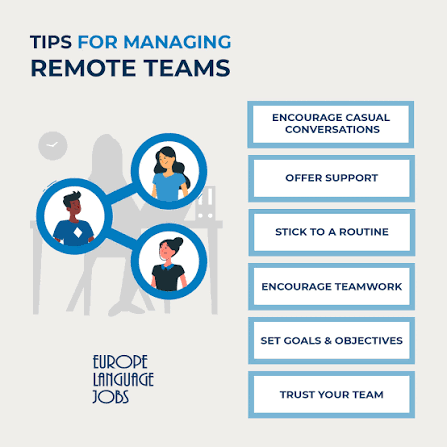
A manager I know spent her first three months of managing remotely trying to replicate her old office routines over video calls. It didn’t work — remote teams need a genuinely different approach, not a copy-paste of in-person habits. Good remote team management requires rethinking communication, trust, and structure from scratch.
Here’s what actually holds up in practice.
What Makes Remote Team Management Different
Remote team management differs from in-office management mainly because you lose casual, in-person visibility into how work is progressing — which means communication, documentation, and trust have to be far more intentional.
1. Over-Communicate, But With Structure
Silence in remote settings often gets misread as disengagement, even when it isn’t. Regular, structured updates — daily standups, weekly summaries — prevent this misunderstanding.
2. Judge Output, Not Online Hours
This one’s crucial. Watching for green “active” dots instead of actual deliverables is a fast way to destroy trust and morale on a remote team.
Effective remote team management focuses on results and deliverables rather than tracking hours spent online, which respects employee autonomy while still maintaining accountability.
3. Set Clear Expectations Around Response Times
Not every message needs an instant reply. Define what’s urgent (respond within an hour) versus what’s not (respond within a day), so people aren’t anxiously watching notifications constantly.
4. Use the Right Tools, But Don’t Overload Them
Too many tools — Slack, email, three different project trackers — creates confusion instead of clarity. Pick a lean stack:
- One tool for async communication (Slack, Teams)
- One tool for project tracking (Asana, Trello, ClickUp)
- One tool for documentation (Notion, Google Docs)
5. Build in Genuine Human Connection
Remote work can get isolating fast. A few things that genuinely help:
- Optional virtual coffee chats, unrelated to work
- Occasional in-person meetups if the team is regionally close enough
- Personal check-ins during one-on-ones, not just task updates
[link to related guide about how to build trust as a new manager here]
6. Document Everything, Not Just Meetings
Decisions, processes, and context need to live somewhere searchable — not just in someone’s memory of a call from three weeks ago. This becomes especially important as remote teams scale.
7. Respect Time Zones Genuinely
If your team spans multiple time zones, rotate meeting times fairly instead of always defaulting to whatever’s convenient for headquarters. This small gesture builds real goodwill.
[link to related guide about time management techniques here]
8. Give Regular, Specific Feedback
Without hallway interactions, feedback needs to be more deliberate. Don’t save everything for quarterly reviews — regular, specific feedback keeps remote employees aligned and growing.
Common Remote Management Mistakes
- Excessive meetings to compensate for “lack of visibility”
- Micromanaging deliverables out of anxiety rather than trust
- Ignoring time zone fairness in scheduling
- Underinvesting in proper documentation and onboarding materials
FAQ
How often should remote teams have video calls? It depends on the team, but daily quick standups plus one deeper weekly sync tend to work well without becoming exhausting.
Is remote team management harder than in-office management? It’s different, not necessarily harder — it just requires more intentional communication and trust-building since casual visibility is gone.
How do I know if a remote employee is actually productive? Focus on completed deliverables and consistent quality of work rather than online status indicators or hours logged.
What’s the best way to onboard someone remotely? A structured onboarding document, a buddy system with an existing team member, and frequent early check-ins during the first month make a big difference.
Should remote teams have mandatory camera-on policies for meetings? Opinions vary, but many effective remote managers keep it flexible, reserving camera-on expectations for smaller, more important discussions.
Conclusion
Remote team management genuinely works when it’s built around trust, clear communication structures, and judging people by their output — not their online status. If your remote team feels disconnected or unclear on expectations right now, that’s usually a structure problem, not a people problem. Fix the structure first.