A boutique owner once told me her business was “doing great” — decent sales, loyal customers — yet she couldn’t pay her supplier on time most months. The problem wasn’t profitability. It was cash flow management, or the lack of it.
This trips up more small businesses than bad products ever do. Let’s fix that.
What Cash Flow Management Actually Means
Cash flow management is the process of tracking, analyzing, and optimizing the money moving in and out of your business so you always have enough cash on hand to cover expenses when they’re actually due — regardless of how profitable you look on paper.
1. Understand the Difference Between Profit and Cash
You can be profitable and still run out of cash. This happens when customers pay late, inventory ties up money, or big expenses hit before revenue catches up.
2. Create a Simple Cash Flow Forecast
Even a basic monthly forecast helps enormously:
- Expected income this month
- Expected expenses this month
- Opening cash balance
- Projected closing balance
Do this every month, not just when things feel tight — that’s when it’s already too late to adjust.
3. Shorten Your Payment Collection Cycle
Slow-paying customers are a silent killer of cash flow. A few practical fixes:
- Offer small discounts for early payment
- Require partial upfront payment on larger orders
- Send payment reminders before the due date, not after
- Use clear, written payment terms from day one
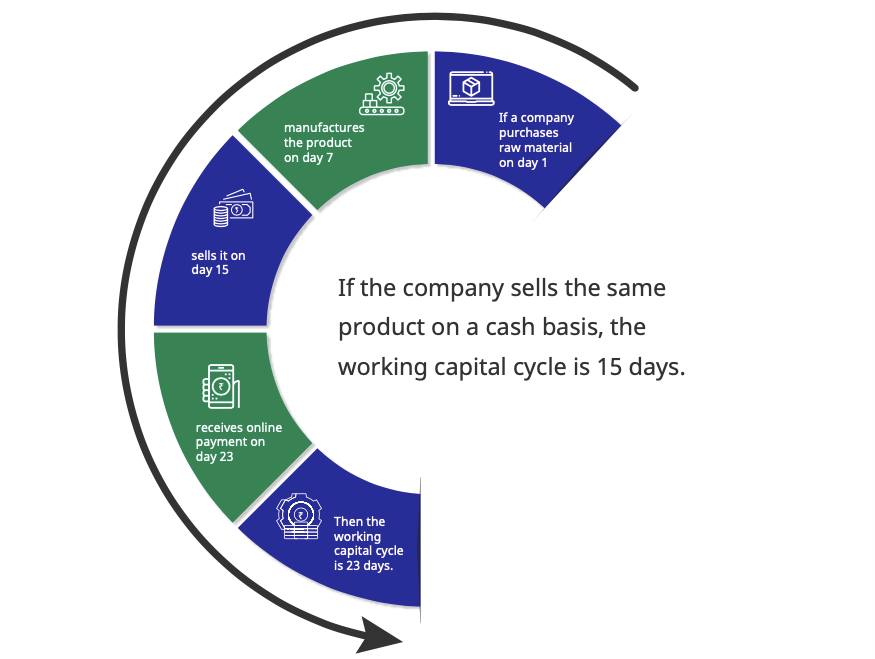
Shortening the gap between delivering your product and actually receiving payment is one of the fastest ways to improve cash flow management.
4. Negotiate Better Terms with Suppliers
Just as you chase customer payments, negotiate longer payment windows with your own suppliers where possible. Extra 15-30 days can genuinely ease pressure during slow months.
5. Build a Cash Reserve Buffer
Aim for at least one to two months of operating expenses set aside, separate from your day-to-day account. This buffer absorbs shocks — a late-paying client, an unexpected repair — without derailing the whole business.
[link to related guide about basic accounting principles here]
6. Watch Out for Seasonal Cash Crunches
Many businesses have predictable slow seasons. Plan ahead by building reserves during peak months instead of spending it all immediately.
7. Avoid Over-Investing in Inventory
Excess stock ties up cash that could otherwise cover operating expenses. I’ve noticed retail owners especially fall into this trap during “great deal” bulk purchases that look good on paper but strain cash for months afterward.
[link to related guide about small business loans here]
8. Use Simple Tools to Track Cash Flow Weekly
Weekly tracking catches problems earlier than monthly reviews. A basic spreadsheet or an app like Vyapar works fine for most small businesses starting out.
Warning Signs of a Cash Flow Problem
- Constantly delaying supplier payments
- Relying on personal savings to cover business expenses regularly
- Struggling to pay salaries on time despite “good” sales
- Taking on new debt just to cover old debt
FAQ
What’s the difference between cash flow and profit? Profit is revenue minus expenses on paper. Cash flow is the actual movement of money in and out — you can be profitable but still cash-poor if payments are delayed.
How often should I check my cash flow? Weekly is ideal for small businesses, especially in the first two to three years when margins and buffers are usually thinner.
What’s a healthy cash reserve for a small business? Most advisors suggest one to three months of operating expenses, though businesses with seasonal fluctuations may need more.
Can a business survive with negative cash flow temporarily? Yes, short-term negative cash flow is common during growth phases or seasonal dips — the danger is when it becomes a consistent, unaddressed pattern.
What’s the fastest way to fix a cash flow problem? Speeding up customer collections and delaying non-urgent expenses usually gives the quickest relief, while longer-term fixes involve better forecasting and reserves.
Conclusion
Good cash flow management isn’t glamorous, but it’s genuinely the difference between a business that survives its rough months and one that doesn’t. Start with a simple monthly forecast this week, and build the habit of checking it regularly. Profit on paper means very little if there’s no cash in the bank when the bills come due.