I’ve met so many small business owners in Jaipur who are brilliant at their craft — baking, tailoring, retail — but genuinely dread opening their expense spreadsheet. You don’t need a commerce degree to understand basic accounting principles. You just need the right foundation.
Let’s break it down simply, the way I wish someone had explained it to me early on.
Why Basic Accounting Principles Matter So Much
Basic accounting principles give small business owners a clear, honest picture of whether their business is actually making money — not just whether cash is coming in. Revenue and profit are not the same thing, and this confusion sinks more small businesses than people realize.
1. The Difference Between Revenue and Profit
Revenue is total money coming in. Profit is what’s left after all expenses. A shop doing ₹5 lakh in monthly sales isn’t necessarily profitable if expenses eat up ₹4.8 lakh of it.
2. Separate Business and Personal Finances
This is non-negotiable, honestly. Mixing personal and business money makes it nearly impossible to know your real financial position, and it’s a nightmare during tax season.
3. Understand the Balance Sheet Basics
A balance sheet has three core parts:
- Assets — what you own (cash, inventory, equipment)
- Liabilities — what you owe (loans, unpaid bills)
- Equity — what’s actually yours after liabilities are subtracted
In short: Assets = Liabilities + Equity — this simple formula is the backbone of every balance sheet.
4. Track Every Expense, Even Small Ones
Small recurring costs — subscriptions, delivery fees, packaging — add up faster than owners expect. I’ve noticed shop owners underestimate these “small” costs by 15-20% until they actually track them properly for a month.
5. Learn the Accrual vs. Cash Basis Difference
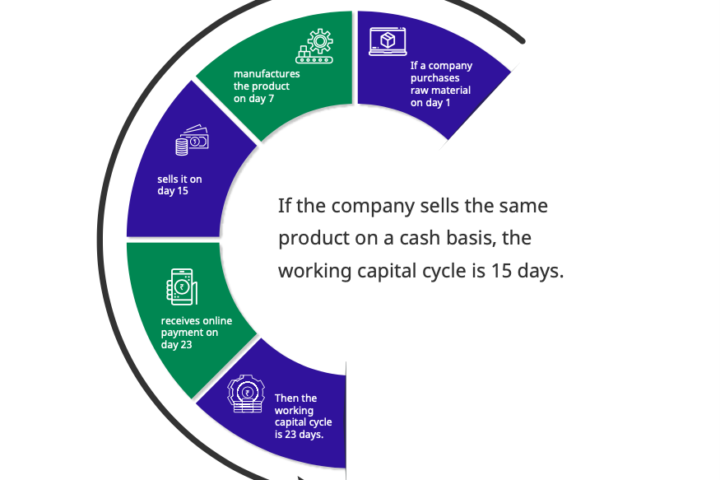
Cash basis records income/expenses when money actually moves. Accrual basis records them when they’re earned or incurred, regardless of when cash changes hands. Most small businesses start with cash basis for simplicity.
[link to related guide about cash flow management here]
6. Keep Digital Records, Not Just Physical Bills
Paper receipts fade, get lost, or pile up into chaos. Simple tools like Zoho Books, Tally, or even a well-organized Google Sheet massively reduce end-of-year stress.
7. Understand Your Break-Even Point
This tells you exactly how much you need to sell before you start actually making profit, not just covering costs.
A basic break-even calculation looks like:
- Add up all fixed monthly costs (rent, salaries, subscriptions)
- Calculate your profit margin per unit sold
- Divide fixed costs by that margin — that’s your break-even sales volume
8. GST and Tax Basics Aren’t Optional
Even small businesses need to understand GST thresholds, applicable rates, and filing deadlines. Ignoring this until it becomes urgent almost always leads to penalties.
[link to related guide about basic accounting principles here — bookkeeping tools comparison]
Common Mistakes Small Business Owners Make
- Not reconciling bank statements monthly
- Forgetting to account for owner’s own withdrawals as an actual expense
- Overestimating profit because expenses weren’t fully tracked
- Waiting until tax season to organize the year’s records
FAQ
Do I need an accountant if my business is very small? Not necessarily full-time, but a consultation a few times a year — especially around tax filing — is genuinely worth the cost for most small businesses.
What’s the easiest accounting software for beginners in India? Tools like Zoho Books, Vyapar, and Tally are commonly used, with Vyapar being especially popular among small retail and service businesses.
How often should I review my business finances? Weekly for cash flow, monthly for a fuller profit and loss review — waiting until year-end is where most owners get blindsided.
What’s the biggest accounting mistake new business owners make? Mixing personal and business finances — it sounds small but causes massive confusion later, especially during tax filing or when applying for loans.
Is basic bookkeeping enough, or do I need full accounting knowledge? Solid bookkeeping habits cover 80% of what a small business genuinely needs day to day; deeper accounting knowledge helps more with strategic decisions and tax planning.
Conclusion
You don’t need to become an accountant to run a financially healthy business — you just need to respect these basic accounting principles consistently. Start with separating your accounts and tracking every expense this month. That single habit alone prevents most of the financial confusion small business owners struggle with.