A few years back, a well-known FMCG brand got called out online for a CSR initiative that looked good in photos but had almost zero real impact on the ground. The backlash was swift. That’s the risk with corporate social responsibility done wrong — customers today can tell the difference between genuine effort and PR theatre.
Let’s talk about why it matters, and how to actually do it well.
What Is Corporate Social Responsibility?
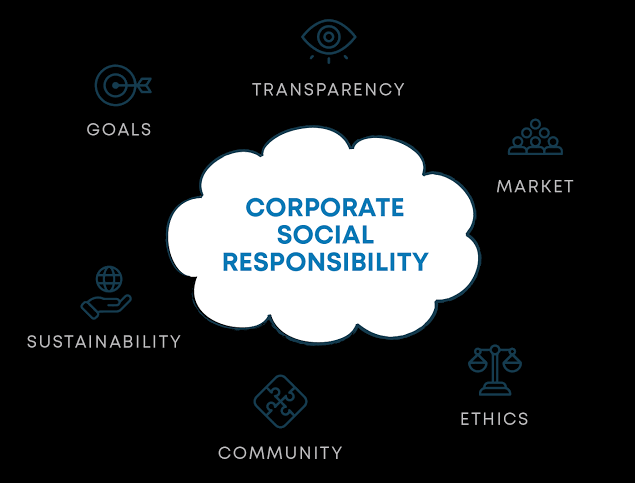
Corporate social responsibility refers to a company’s genuine commitment to operating ethically and contributing positively to society — environmentally, socially, and economically — beyond just maximizing profit.
Why CSR Actually Matters for Modern Brands
It’s not just about being a “good company” anymore, though that matters too. There are real business reasons:
- Consumer trust — especially among younger buyers who actively research brand practices
- Employee retention — people want to work somewhere they’re proud of
- Investor interest — ESG (Environmental, Social, Governance) factors increasingly influence funding decisions
- Long-term brand resilience during controversies or crises
Companies with authentic corporate social responsibility programs tend to see stronger customer loyalty and lower employee attrition compared to those without any meaningful initiatives.
1. Environmental Responsibility
This covers reducing carbon footprint, sustainable sourcing, waste reduction, and packaging choices. Even small businesses can start here — a Jaipur-based textile company I know switched to biodegradable packaging and saw genuinely positive customer feedback within months.
2. Ethical Labor Practices
Fair wages, safe working conditions, and supply chain transparency fall under this. It’s less flashy than tree-planting campaigns, but arguably more foundational to real CSR.
3. Community Investment
Local education programs, healthcare access initiatives, skill development for underserved communities — these build genuine goodwill, especially when they’re long-term rather than one-off events.
[link to related guide about corporate culture here]
4. Philanthropic Contributions
Direct donations, disaster relief, or partnerships with NGOs. This is the most visible form of CSR, but shouldn’t be the only form a company relies on.
Why “CSR-Washing” Backfires
Here’s my honest opinion: customers, especially younger ones, are pretty sharp at spotting fake CSR efforts. A single tree-planting photo op with no follow-up rarely fools anyone anymore, and it can actually damage trust more than doing nothing at all.
Signs of genuine versus performative CSR:
- Genuine: consistent, measurable, reported transparently over years
- Performative: one-time event, heavily photographed, no measurable follow-up
How Small and Medium Businesses Can Do CSR Right
You don’t need a massive budget. A few realistic starting points:
- Partner with a local NGO for a specific, ongoing cause
- Reduce waste in your own operations first, visibly
- Offer paid volunteer days to employees
- Be transparent about what you’re doing and what you’re not doing yet
[link to related guide about corporate culture here]
Measuring the Impact of CSR
This part often gets skipped. Track things like:
- Volunteer hours contributed by staff
- Measurable environmental impact (waste reduced, energy saved)
- Community reach (people served, funds distributed)
- Employee satisfaction linked to CSR participation
FAQ
Is corporate social responsibility just for large companies? No — small and medium businesses can run meaningful CSR initiatives too, often with more authenticity since the impact is more local and visible.
Does CSR actually increase sales? Indirectly, yes. It builds trust and loyalty over time, though it’s rarely a direct, immediate sales driver on its own.
What’s the difference between CSR and ESG? CSR is a company’s voluntary commitment to social good; ESG is a more formal framework investors use to measure a company’s environmental, social, and governance performance.
How much should a company spend on CSR? There’s no fixed rule for smaller businesses, though in India, certain larger companies are legally required to spend a percentage of profits (2% under the Companies Act) on CSR activities.
Can CSR help during a PR crisis? Genuine, long-standing CSR work can soften public reaction during a crisis, but a rushed CSR effort during the crisis itself often looks (and is) opportunistic.
Conclusion
Corporate social responsibility done right isn’t a marketing checkbox — it’s a genuine, ongoing commitment that shapes how customers, employees, and investors see your brand long-term. Start small, stay consistent, and be honest about your progress. That honesty is what actually builds trust, far more than any polished CSR campaign ever will.